
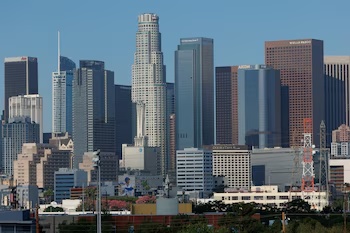
Overview of the Downtown Revitalization Law
The Downtown Revitalization Law stands as California’s most significant initiative in a decade to address its mounting housing crisis. This project aims to fundamentally transform urban centers, particularly in Los Angeles and six other cities equipped with developed public transportation systems.
Key Features of the Law
Starting in 2026, Assembly Bill 2074, led by Assemblyman Matt Haney, will mandate municipalities with over 400,000 residents — including San Diego, San Jose, San Francisco, Sacramento, Oakland, and Long Beach — to define one or more regional transportation hub districts by July 1, 2027. These districts will serve as the focal points for the planned urban transformations.
The initiative brings forth a unique state revolving loan fund, designed to provide developers with low-interest startup capital, marking a groundbreaking approach within California legislation.
Tackling Office Vacancies
The pandemic’s impact has led to a significant increase in office and shop vacancies in urban locales. The state aims to counter this trend by converting these commercial spaces into vibrant residential areas, enhancing the housing supply without the need to develop new land.
Core Principles of Implementation
The law establishes four main tenets:
- Modification of zoning laws to permit high-rise residential buildings and increased density in urban centers.
- Formal designation of downtown transportation hub districts targeted for new housing developments.
- Accelerated approval for projects that promise well-paid employment while adhering to stringent labor standards.
- Low-interest loans through a revolving fund to facilitate project initiation.
Anticipated Impact on Urban Life
The effective execution of this law is expected to greatly alter urban environments and enhance daily living. Advocates envision reduced dependency on cars, better access to housing, and improved services within city centers.
Confronting the Housing Deficit
California currently faces an urgent housing deficit exceeding 2.5 million homes. Office vacancies in cities like Los Angeles have surpassed 30% in 2023, underlining the necessity for innovative solutions like the conversion of commercial properties to residential units.
What Changes to Expect
Bill 2074 aims to reshape how communities access housing by prioritizing the reuse of existing properties close to transport hubs. The legislation intends to create integrated districts where housing, employment, and services converge, minimizing automobile reliance and fostering social cohesion.
Challenges and Community Response
Despite the law’s potential, it faces considerable pushback. Local authorities and neighborhood groups have voiced concerns over potential erosion of municipal autonomy and increased urban density. There are calls for safeguards to protect public spaces and prevent gentrification.
Conclusion: A Model for Future Urban Development
The Downtown Revitalization Law could serve as a benchmark for housing policy across the United States, especially in regions grappling with similar issues of commercial vacancy and housing scarcity. It heralds a new chapter in California’s approach to urban planning, promising to create more livable and sustainable cities.