
BYD is under scrutiny by Chinese authorities. The reason: an illegal technique aimed at inflating electric vehicle sales figures. The goal: to shine in results against competition.
The Chinese government has recently taken a strong stance. On Monday, May 27, several automotive manufacturers were summoned by the Ministry of Commerce, suspected of manipulating their sales figures by massively registering vehicles that have never been driven.
In simple terms, these are new cars sold as used. This practice resembles what is also observed in France under another name: tactical sales.
Inflating Sales Figures
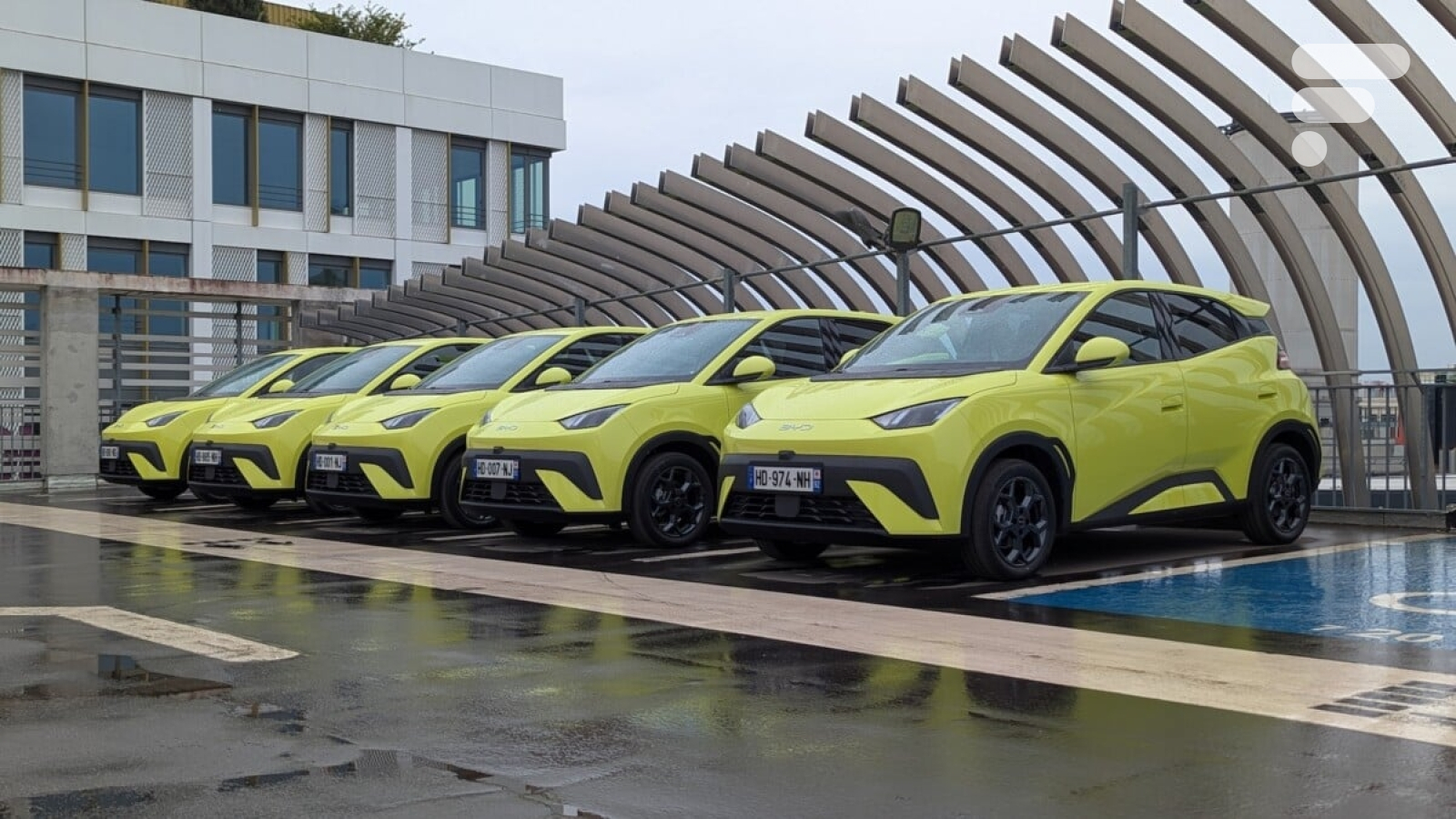
This phenomenon is known as “zero-kilometer used cars.” These vehicles, straight from the factory, are registered by the brands themselves, sometimes by dealers, before being returned to the market at reduced prices. The goal is to artificially boost monthly sales figures, meet internal quotas, and outshine competitors… on paper.
BYD, Dongfeng, and Chery are among those facing government scrutiny. Such practices allow them to show appealing figures without actually acquiring new customers. Worse still, they completely distort the reality of the market.
“It’s the maximum that dealerships can manage”: Why BYD is drastically lowering its car prices in China
Officially, this would allow customers to benefit from good deals. But at what cost? To move these disguised stocks, manufacturers drastically reduce prices. Moreover, BYD has recently launched a price war, as evident in China.
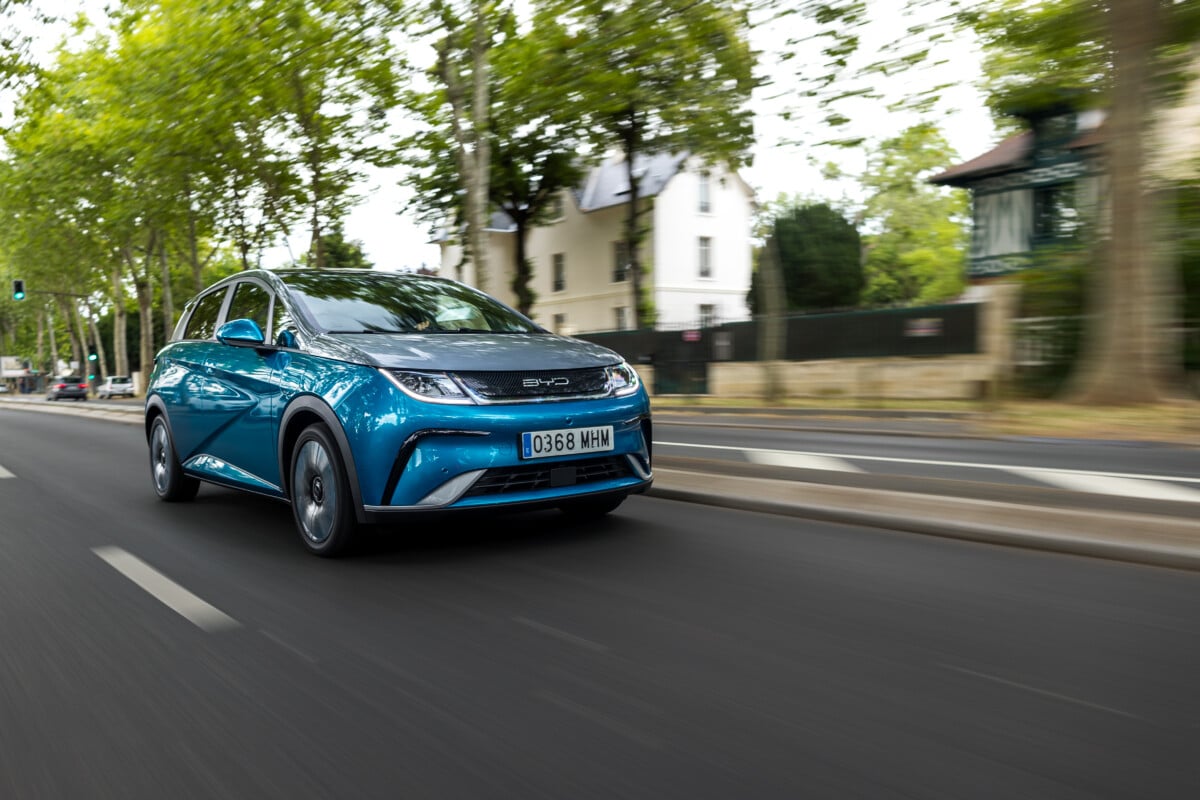
A BYD Seagull (Dolphin Surf in France) available for less than $8,000 and a Dolphin priced below $10,000 show a fierce competition among dealerships, sacrificing margins at the altar of volume. Even the head of Chinese manufacturer Great Wall Motors, present in Europe, publicly voiced concern about the situation, comparing it to the Evergrande collapse in real estate.
This method allows BYD to potentially manipulate its sales figures against Tesla, possibly creating the illusion that the Chinese giant is performing better than the American one. Given that both companies are neck and neck in monthly rankings, this is a plausible scenario.
What About Europe?
These techniques are not exclusive to China. In Europe, they’re known as tactical sales. We have recently discussed this issue, especially regarding the explosion of “ghost” registrations of electric models. In some cases, more than a quarter of the vehicles supposedly “sold” to individuals are, in reality, demonstration cars or short-term rental vehicles waiting for their owners.
These practices, common among some groups (including European ones), often serve to maintain market share objectives or clear out end-of-series stock. With the massive influx of Chinese models, the pressure to artificially inflate figures is only intensifying.
Beijing Aims to Clean Up
The irony is that China, often criticized for its lack of transparency, is demonstrating a proactive approach here compared to some Western countries. By summoning manufacturers, Beijing aims to prevent a crisis of confidence among consumers and investors.
According to Reuters, “3,000 to 4,000 sellers on Chinese used vehicle platforms were selling such vehicles.” This raises the question of whether a few thousand (or even tens of thousands) vehicles are affected.
In Europe, the situation differs: year-end tactical sales can indeed affect the fines that manufacturers must pay to Europe in case of exceeding CO2 quotas (the infamous CAFE regulations).
General News – 2