
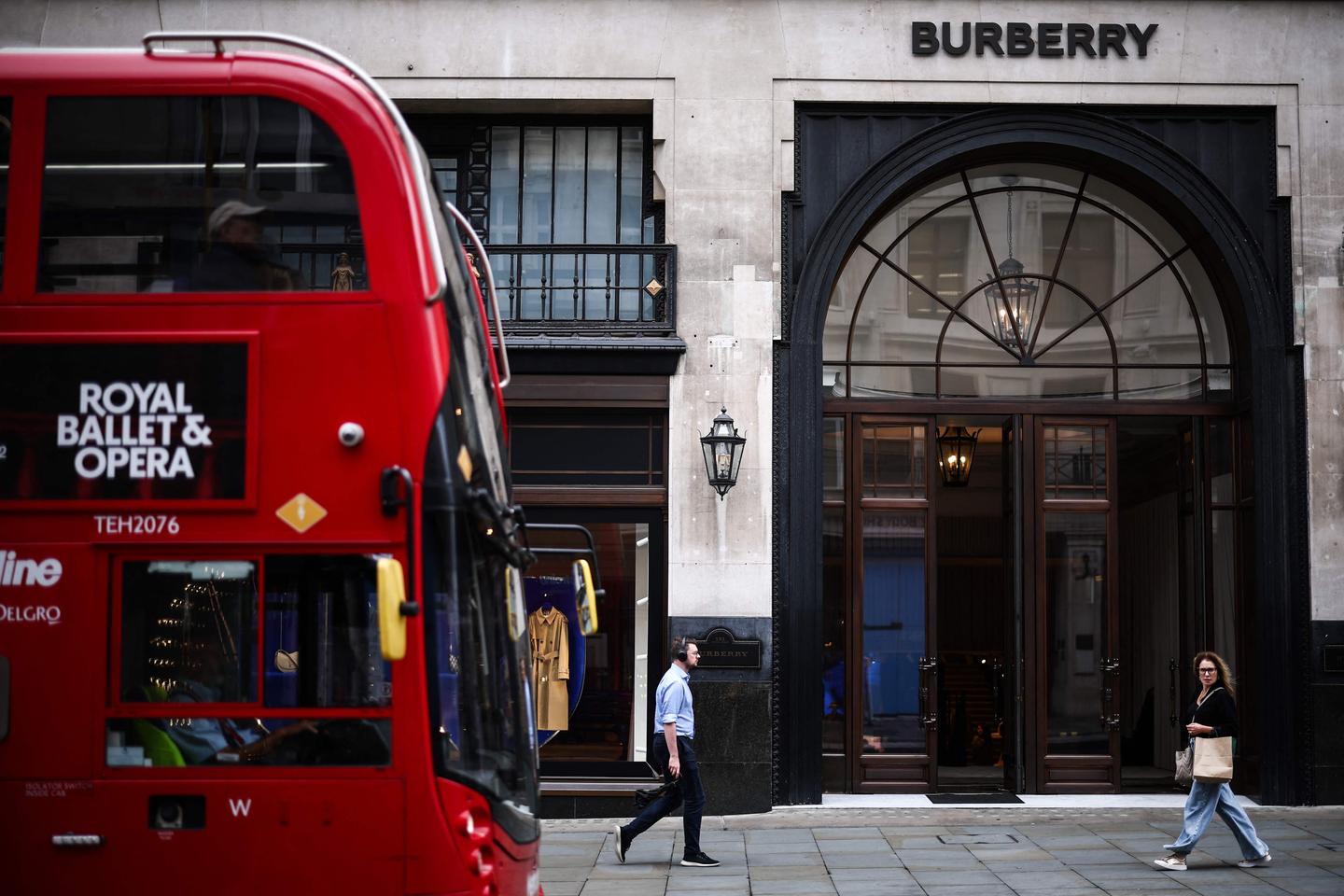
Burberry’s New Cost Reduction Strategy: A Response to Financial Challenges

**Burberry**, the renowned British luxury brand, has recently taken decisive steps in response to its financial struggles. On May 14, the company announced a new wave of **cost reduction measures** after reporting a staggering **89 million euros** in net losses for the fiscal year 2024-2025, which concluded in March. With a significant **15% decline** in business activity, resulting in total revenues of only **2.9 billion euros**, Burberry aims to reduce costs by **71 million euros** by the year 2027. This marks the third set of measures introduced by the brand to stabilize its financial standing.
These plans follow a series of earlier savings initiatives announced in 2024. During the summer, Burberry confirmed a reduction in its workforce at its **London headquarters** and outlined a plan in November to save **48 million euros**. Of this plan, more than half has already been implemented, illustrating the pressing need for the company to recalibrate its operations amidst a challenging market environment.
Job Cuts and Workforce Changes
The latest measures could potentially eliminate **1,700 jobs**, which accounts for **18%** of the company’s global workforce of **9,300 employees**. These cuts will primarily affect positions at the **head office** and in the **422 retail outlets** that Burberry operates internationally. Notably, the company does not plan to close any stores, a strategy that has been adopted by many of its competitors struggling with similar challenges. Instead, Burberry seems focused on **optimizing** its existing footprint without expanding into further closures, a strategy that may help preserve its brand presence.
In addition to workforce reductions, Burberry’s plan also includes changes to its production operations. Specifically, the factory that produces the iconic **trench coats** in **Castleford, Yorkshire** will see significant adjustments. The site, described as being in **overcapacity**, will discontinue night production, a move that reflects the urgent necessity to streamline manufacturing processes. **Joshua Schulman**, the fourth CEO in ten years, reaffirms the brand’s commitment to production excellence by stating that investments will be made to enhance efficiency and productivity moving forward.
Market Context and Future Outlook
The current predicament facing Burberry highlights the greater challenges facing the **luxury retail sector** today. With shifting consumer behaviors influenced by economic variances and changing market dynamics, brands are under pressure to evolve rapidly. Burberry’s decision to cut costs and jobs, while controversial, underscores the inherent risk within the luxury market. The brand’s ability to navigate through this financial turbulence may hinge upon how adeptly it can retain its prestigious **brand identity** while simultaneously adjusting to the demands of the modern consumer.
As Burberry moves forward, it will be critical to monitor its **brand strategy** and customer engagement approaches. A successful turnaround may depend on wisely balancing cost-cutting measures with innovative marketing strategies to keep the brand relevant and desirable among consumers, particularly in a post-pandemic environment where sustainability and ethical practices are becoming increasingly crucial to consumers.