
The Evolution of Brazil’s Aeronautical Industry
In 1909, Canada celebrated the first powered flight within the British Empire. This historical feat, accomplished by the Silver Dart, demonstrated the collaborative spirit of the early aviation industry, which was as international then as it is today. Over a century later, Brazil joins this legacy by becoming the first country in Latin America to assemble a modern supersonic fighter.
The “Brazilian” Fighter: A New Milestone
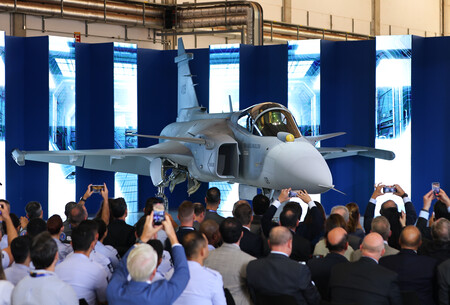
The introduction of the first Gripen fighter jet assembled in Brazil marks a significant milestone. This achievement is not merely a symbolic gesture; it represents Brazil’s integration into a complex international aerospace supply chain. Instead of developing a fighter from the ground up, Brazil’s strategy involves learning to build substantial components and systems within the Gripen program. This progressive integration highlights a pivotal shift in Brazil’s technological capabilities.
The Global Nature of Modern Fighter Jets
Modern fighter jets are among the most intricate, globalized products on the market. While the Gripen is often marketed as a Swedish aircraft, its components are sourced globally—from the Raven ES-05 radar made in the UK to the F414 engine from the U.S. This multilayered supply network underscores the collaborative production processes in modern aerospace manufacturing.
The Magic Number: 40
A fascinating aspect of Brazil’s aerospace strategy revolves around the goal of achieving approximately 40% national content in the final aircraft deliveries. While this figure should be interpreted cautiously due to varying methodologies in calculating such percentages, it signifies Brazil’s ambition to enhance domestic participation and expertise in the program significantly.
Increasing Brazilian Participation
This goal indicates Brazil’s commitment to go beyond simply receiving aircraft from Sweden. The strategy is designed to progressively augment the role of Brazilian engineers, technicians, and companies in the production process. This proactive approach not only enhances technical skills but also positions Brazil as a competitive player in global aerospace.
The Role of Embraer and Knowledge Transfer
Embraer plays a crucial role in this strategy through its partnership with Saab. Brazilian engineers have spent years in Sweden, gaining invaluable experience that extends beyond mere assembly. This collaboration encompasses systems integration, software development, and advanced fighter production techniques, setting the stage for future domestic advancements.
The Strategic Value of Assembly
Assembling a foreign-designed aircraft might seem trivial at first glance. However, the complexities involved in managing logistics, integrating advanced systems, and maintaining such sophisticated technology reveal its true strategic value. Brazil’s previous experiences with successful programs like the Super Tucano and the KC-390 illuminate the nation’s capabilities, while the Gripen program introduces a more sophisticated technological ecosystem.
Embracing a Global Model
The Gripen exemplifies the global model of fighter production. Although it is Swedish in design, the aircraft relies heavily on international suppliers. Brazil is embracing this model as well, understanding that no single nation produces a modern fighter independently.
More Than Just Purchasing Aircraft
Brazils’ decision to pursue the Gripen came not only from its technical capabilities but also from Saab’s readiness to share knowledge and facilitate deeper industrial participation than its competitors offered. The impact of this decision is now becoming evident, demonstrating that the first Gripen assembled in Brazil represents more than just a new aircraft; it signifies the nation’s entry into an elite group of countries capable of producing advanced supersonic fighters.
In conclusion, the aspiration to achieve that magic number—40%—isn’t just about numbers; it’s about knowledge, capability, and a vision for Brazil’s future in the aerospace industry.