
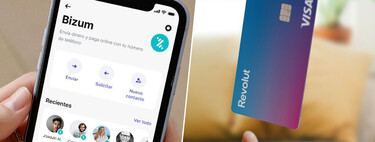
Bizum’s Leap into Physical Stores: A Payment Revolution
On May 18, 2023, Bizum is set to transform the way we pay in physical stores by activating NFC (Near Field Communication) payments. With just a tap of your mobile phone against the dataphone, you can make transactions in a flash—similar to how Apple Pay or Google Pay currently operates. This innovative leap positions Bizum, which boasts 31 million users in Spain, as a direct competitor to traditional payment systems like Visa and Mastercard at the point of sale.
Understanding the Stakes
The transition from a peer-to-peer payment platform to a point-of-sale solution has significant implications. For a decade, banks have invested heavily in Bizum, often absorbing costs without substantial returns. This new phase changes the narrative: businesses will pay transaction commissions—likely lower than those incurred with card payments—as they bypass international intermediaries. This adjustment could unlock new revenue streams for Spanish banks and provide businesses with the benefit of instant payment, eliminating the typical 24-48 hour settlement delay.
How Bizum Works in Stores
The user experience will resemble the contactless card payments many are familiar with. Using either a bank app or Bizum Pay, a new digital wallet available on both Android and iOS, users can make quick transactions. The key distinction is that funds transfer instantly from one account to another, streamlining the payment process. Notably, businesses won’t need to invest in new dataphones; a simple software update will suffice. Furthermore, Bizum Pay allows users to add a bank card as a backup payment method, ensuring smooth transactions even if there’s an issue with the primary payment source.
The Consumer’s Dilemma
Despite the advancements, a pressing question remains: why would consumers choose to adopt this new method when they’re already comfortable with existing payment options? Inertia is a significant barrier to change. Many people are accustomed to paying with cards or other digital wallets without issues, making the switch to Bizum challenging.
The Importance of Incentives
To encourage adoption, incentivizing users is crucial. Strategies such as offering cashback or discounts at specific retailers could make transitioning to Bizum feel worthwhile. Historical trends in ecommerce also suggest that when Bizum simplified online transactions by removing the need to enter card details, it quickly gained traction. Today, it is the second most preferred method for online shopping, capturing 20-30% of the market share.
What Lies Ahead
The initial rollout on May 18 will not be as expansive as expected. While banks like CaixaBank, Sabadell, and Bankinter will participate in the first wave, Santander’s integration may not occur until fall. A more extensive launch campaign is anticipated in September or October, highlighting the growing interest from major retailers like Mercadona, which is already negotiating beneficial commission terms.
A European Vision
Moreover, the ambitions of Bizum extend beyond Spain. Negotiations are underway with similar platforms in Italy, Portugal, and Nordic countries to establish a unified European payment system, potentially impacting more than 130 million citizens. This Spanish initiative could serve as a blueprint for a broader continental payment model.
Conclusion
As Bizum positions itself within the competitive landscape of physical payments, it faces the challenge of user adoption amid existing habits. With robust incentives and potential for broader European integration, the success of Bizum in transforming payment practices could reshape how consumers view digital transactions.