
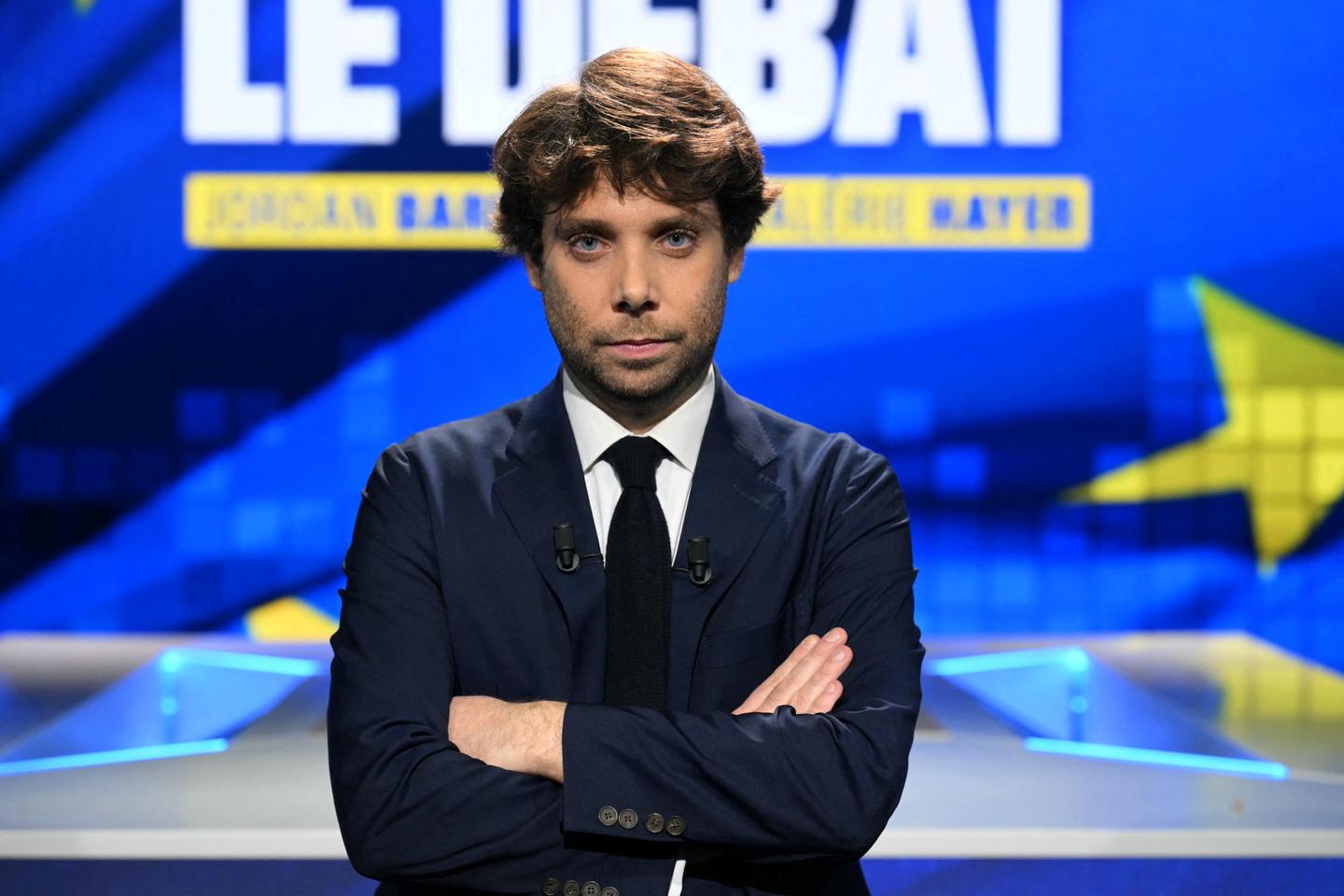
The Rising Tensions in French Media: A Closer Look at Benjamin Duhamel’s Controversial Move
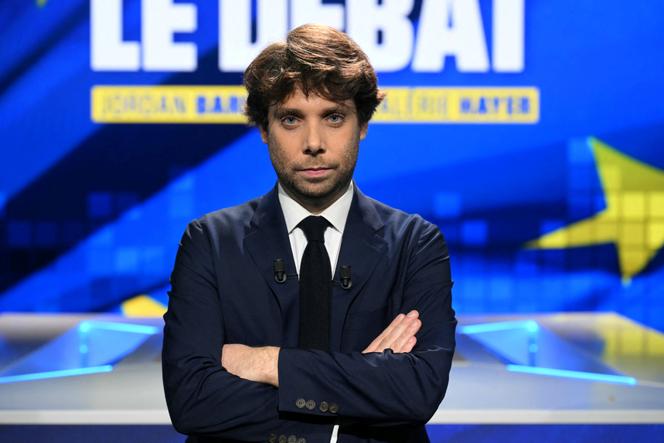
The landscape of French media is currently in turmoil , following the recent announcement that prominent journalist Benjamin Duhamel will transition from BFM-TV to France Inter . The media world is in disarray , as various journalistic unions like CGT , CFDT , and SNJ have expressed their discontent at this development. The statement released on June 4 emphasized that Duhamel’s dual employment at a public service radio station and a private media outlet represents a significant conflict of interest .
Duhamel’s move was officially confirmed when France Inter announced that he would succeed Sonia Devillers for the coveted 7:50 a.m. interview slot . However, this has been met with a backlash from fellow journalists and media professionals. Critics argue that such a move undermines the integrity of public broadcasting and blurs the lines between private and public media. They question why Duhamel did not choose to part ways with BFM-TV to fully commit to his new role, raising eyebrows about the motivations behind this controversial decision .
A journalist who chose to remain anonymous voiced the concerns of many, saying, “If they wanted to recruit Benjamin Duhamel so badly, why couldn’t they convince him to leave BFM?” This sentiment is echoed across various media channels, emphasizing that the move comes at a critical time when public television is facing increasing scrutiny and weakening trust .
Contextualizing the Controversy
The dissatisfaction with Duhamel’s new appointment is compounded by broader concerns within the French media ecosystem. The ongoing threats to public broadcasting, such as potential privatization and budget cuts, only intensify the scrutiny of such decisions. An elected media representative stated, “At a time when public broadcasting is threatened by the creation of a holding company , our management seems to be suggesting that BFM and us are interchangeable. It feels like a push toward privatization is imminent, and that’s concerning.”
Unions expressed a sense of betrayal, suggesting that hiring someone from a commercial rival diminishes the credibility of France Inter. The ongoing tension reveals a fundamental clash between differing media values—whether to maintain public service ethics or to compete aggressively in a privatizing landscape.
Public Reaction and Implications
Responses from the public have been mixed. While some see Duhamel’s journalistic expertise as an asset to France Inter, others regard his hiring as symbolizing a creeping commercialization of the public sphere. The debates surrounding media integrity and conflicts of interest have led to a larger discourse on the nature of journalism in modern society, especially within a fragmented media landscape where audiences must navigate between public and commercial interests.
Social media has amplified the discussions, with many netizens voicing their opinions on platforms like Twitter. #Duhamel at France Inter has trended, indicating significant public engagement with the issue. Some users have praised Duhamel’s work, while others have criticized the decision, calling it a “ dangerous precedent ” for how media institutions operate.
As this story develops, the implications for future public service broadcasting in France remain to be seen. Will France Inter adapt to maintain its integrity, or are we witnessing the beginning of a trend toward a more blended media world ? Only time will tell, but the stark reactions underscore the importance of this ongoing dialogue in the realm of journalism.
In conclusion, the unfolding situation surrounding Benjamin Duhamel’s transition to France Inter illustrates how delicate and interconnected the relationships in the media industry are. Striking a balance between private interests and public service is increasingly challenging and holds profound implications for the future of journalism in France and beyond.