
Response to Criticism
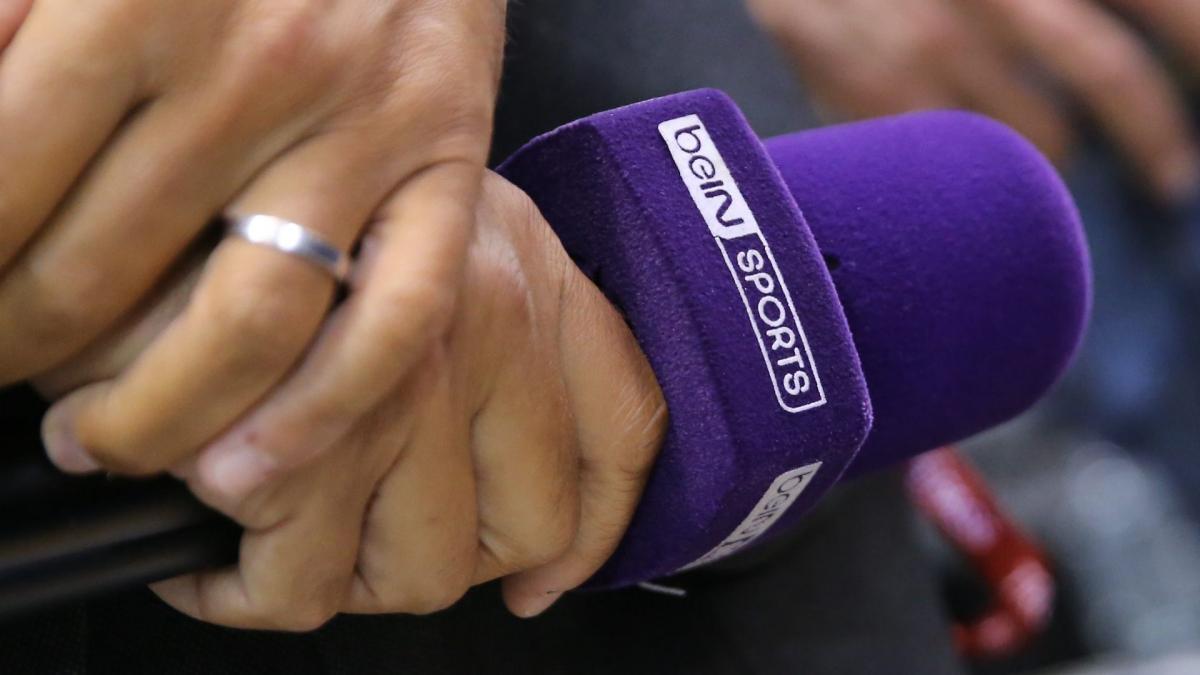
Recently, tensions have risen in French football regarding the allocation of broadcasting rights for the upcoming World Cup, with beIN SPORTS at the center of controversy. Nicolas de Tavernost, former head of LFP Média, expressed frustration over beIN being awarded the rights since 2014, which ultimately led to his announcement of stepping down from his role. His anticipation for Ligue1+ to secure these rights aimed to bridge the gap in the football calendar during the off-season. However, Florent Houzot, the director of beIN France, has publicly disputed claims that the network seeks to undermine French football.
Setting the Record Straight
In a candid interview with Challenges, Houzot addressed the narrative that positions beIN as the antagonist in French football. He stated, “There is a little music going up that beIN is the bad guy or that beIN wants to kill Ligue 1.” This sentiment, he argues, serves to divert attention from poor strategic choices by others within the industry. He emphasized that beIN has consistently worked to promote and elevate football, as evidenced by its successful bids for future World Cup rights.
Houzot has been involved with beIN since its inception, citing the broadcaster’s substantial viewer loyalty with over 2.5 million subscriber households. Highlighting the network’s partnership with Canal+, he noted its reach to 42 million viewers annually. He expressed frustration over ongoing criticism, affirming that they have invested more than €4 billion since 2012 to solidify their position as a premier sports network.
Investment in Quality Broadcasting
beIN SPORTS takes pride in its comprehensive coverage of the World Cup, having been the broadcaster since 2012. Houzot pointed out that FIFA’s recognition of the channel’s commitment to quality journalistic coverage and promotion was pivotal in securing broadcast rights for the 2026 and 2030 tournaments. This long history with the World Cup lends credibility to beIN’s expertise in broadcasting major football events.
He reflects on the narrative that beIN might have plans to shift its focus towards a different model with Ligue1+, correcting misconceptions about their strategic direction. “That’s not the story,” he insists, reiterating their unwavering dedication to maintaining a robust sports broadcasting platform.
Long-term Vision
The future appears bright for beIN SPORTS, as they look to maintain their relevance and competitiveness in the sports media landscape. According to Houzot, their ambitious vision has remained unchanged: to offer the most attractive sports content available. This focus on sustainable growth reflects their resilience, despite the naysayers who expected their exit within the first six months of operations.
Overall, Houzot’s remarks aim to dispel the notion of beIN SPORTS as an adversary to French football, instead portraying the network as a committed partner in promoting the sport. As the football season progresses, it will be interesting to observe how these dynamics unfold and whether beIN’s proactive communication strategy will help reshape its image within the football community.