
Barcelona’s Innovative Approach to Asphalt: Goodbye to Tradition
The Hidden Carbon Culprit in Cities
Cities are responsible for 67% to 72% of global carbon dioxide emissions, primarily due to various activities and processes. One significant yet overlooked contributor is traditional asphalt. The production of this material involves extensive energy consumption and reliance on petroleum derivatives such as bitumen, alongside other aggregates that collectively create a substantial carbon footprint.
Enter Biochar: An Eco-Friendly Solution
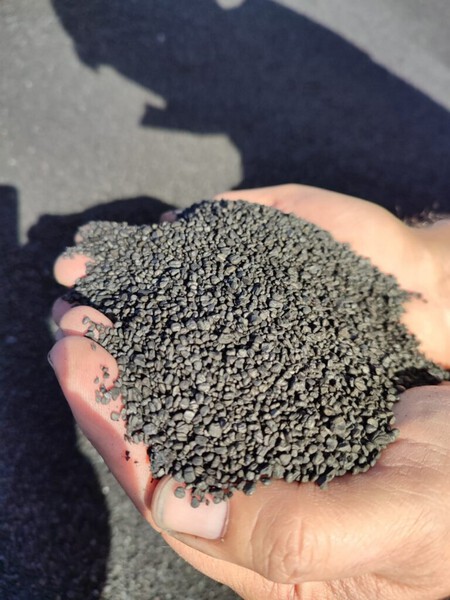
Barcelona aims to address the asphalt dilemma by introducing a revolutionary alternative: Biochar. Developed from agricultural waste, including olive pits, this new material could potentially reduce CO₂ emissions from asphalt production by an impressive 75%. Biochar not only utilizes waste that would typically be discarded but also shows promise in improving the material’s structure, leading to enhanced resistance to water, fewer cracks, and better thermal performance.
Collaborative Efforts for Sustainability
The study and development of Biochar have been spearheaded by the company Carboliva in conjunction with ELSAN, AMSA, and the UPC. Their initiative was recognized as the winning solution in Barcelona’s urban challenge, dubbed “The street section of the 21st century.” An alternative proposal, RePavimenta, focuses on utilizing recycled construction materials. Both initiatives signify a substantial step toward greener urban infrastructure.
Why This Matters
The construction and infrastructure sector accounts for around 13% of global greenhouse gas emissions. Given the substantial budget allocated to urban pavement maintenance—due to its deterioration—reducing emissions through more sustainable materials can have a profound impact. Using robust materials like Biochar not only lowers emissions but also promises durability, making urban development more sustainable.
Leveraging Spain’s Olive Production
Spain is the world’s leading producer of olive oil, generating over 1.42 million tons annually. This high production results in a surplus of olive pits, providing an excellent resource for Biochar production. This circular economy approach turns agricultural waste into useful urban materials, exemplifying sustainability through innovation.
Regulatory Context and Future Outlook
With increasing urgency surrounding global warming and European regulatory demands, cities are urged to reassess traditional building materials. The upcoming European Directive on Energy Efficiency in Buildings and revised Construction Products Regulation incentivize environmentally friendly solutions like Biochar.
Barcelona is gazing towards a future where innovative materials are tested and implemented. Research and development will commence until September this year, following which pilot tests will start, aiming for initial installations by 2027.
Challenges Ahead
While laboratory results for Biochar are promising, real-world conditions pose unique challenges. Traffic load, urban pollutants, and climate factors can affect performance. Moreover, establishing a scalable supply chain for biochar presents logistical hurdles, especially given geographical dispersion and potential supply limitations.
Conclusion
Barcelona’s commitment to replacing traditional asphalt with sustainable alternatives like Biochar is a pioneering move in urban development. The success of this initiative could set a precedent for cities worldwide, demonstrating that innovative practices can significantly mitigate environmental impact while promoting efficient resource use.