
Brazil Faces Avian Influenza Crisis
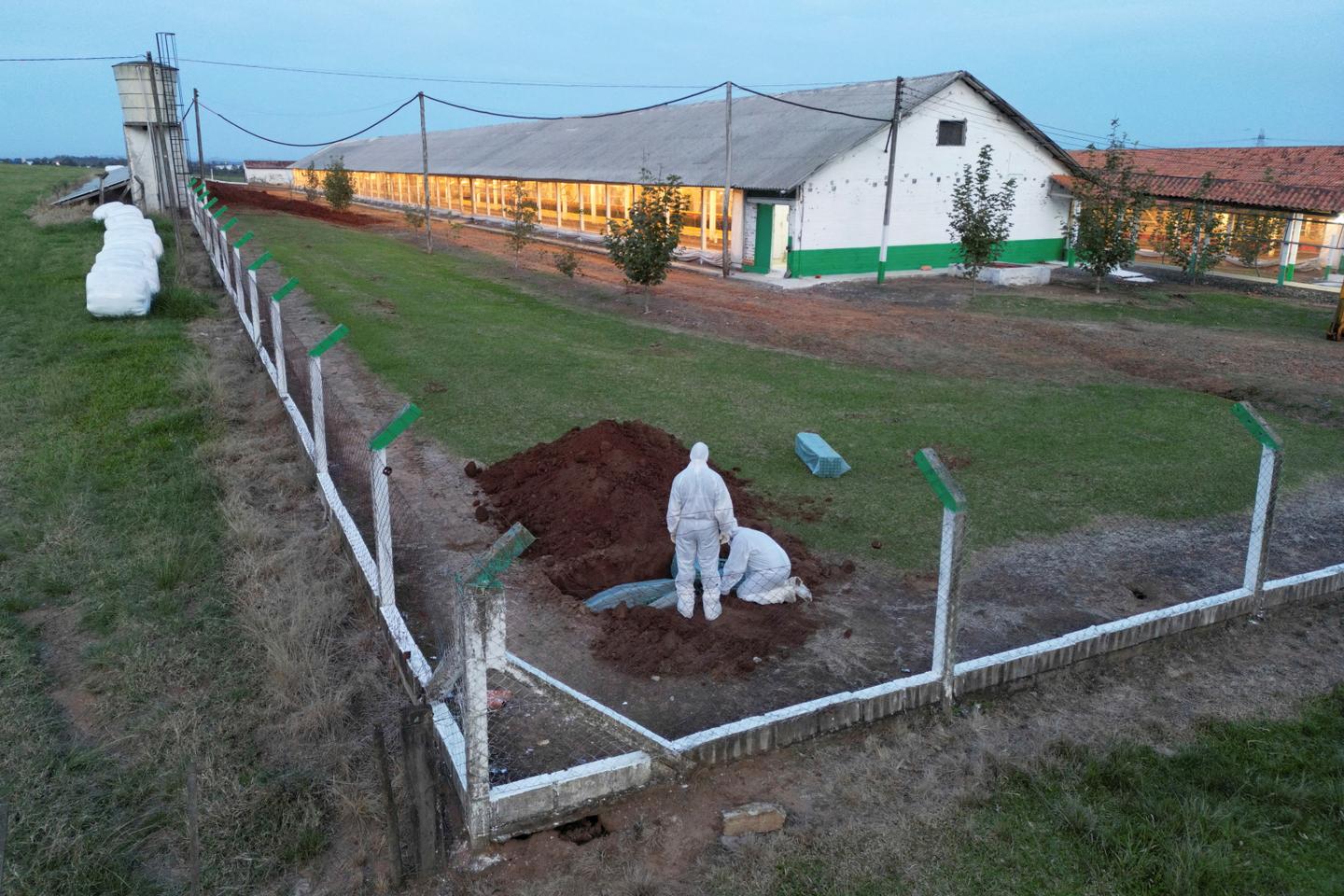
Brazil is currently grappling with a significant outbreak of **avian influenza**, a disease that has already wreaked havoc on poultry farming in the United States. As the **third-largest producer** and a leading **poultry exporter** globally, Brazil’s burgeoning poultry industry is now under severe threat. The Ministry of Agriculture announced on May 15, 2025, that an avian influenza outbreak was detected in a breeding facility housing **17,000 poultry** in Montenegro, located in the state of **Rio Grande Do Sul**. Following the outbreak, a majority of the birds succumbed to the **highly contagious virus**, while the remaining were **slaughtered** to prevent further spread. To combat the epidemic’s impact, approximately **70,000 eggs** were destroyed as a precautionary measure.
International Response to the Outbreak
The international community has responded swiftly to this alarming situation. China, which is a major importer of Brazilian chicken, has halted its purchases for **60 days**. The consequence of this decision is significant, as chicken exports account for approximately **10.5%** of Brazil’s agricultural exports. Following this, **16 other countries**, including Canada, South Africa, Chile, Argentina, Uruguay, Mexico, and South Korea, along with **European Union** member states, have all temporarily banned imports from Brazil starting May 19.
This sudden whirlwind of bans reflects the serious concerns surrounding the potential spread of avian influenza, which can be transmitted to humans in rare cases with severe consequences. The swift measures taken by these countries highlight the interconnectedness of **global trade** and the importance of maintaining **biosecurity** in agricultural practices.
Impact on Brazil’s Poultry Industry
The repercussions of the avian influenza outbreak extend far beyond immediate health concerns for poultry. Being one of the world’s largest producers, Brazil’s poultry industry employs millions directly and indirectly, contributing significantly to the nation’s **economy**. The suspension of chicken exports directly impacts local farmers, processors, and exporters whose livelihoods depend on international markets. For many, this could lead to substantial financial losses, job reductions, and increased economic uncertainty in the affected regions.
In addition to the economic implications, the avian influenza outbreak imposes a psychological burden on poultry farmers, who work tirelessly to maintain the safety and health of their flocks. The emotional strain caused by such outbreaks can lead to long-term consequences on mental health, requiring targeted support and resources for affected individuals and communities.
Preventive Measures and Future Outlook
Moving forward, public health authorities and agricultural experts in Brazil are actively working to contain the outbreak. Measures include enhancing **biosecurity** protocols on farms, increasing monitoring of poultry health, and establishing more rigorous testing for potential infections in both wild and domestic birds. Furthermore, collaboration with international agricultural organizations is vital to share knowledge and resources for best practices in combating avian influenza.
Education and awareness campaigns will be crucial to inform both farmers and consumers about the nature of avian influenza, its risks, and the necessary precautions that must be taken. These initiatives may also encourage more resilient agricultural practices, allowing the poultry industry to adapt and mitigate future risks from similar diseases.
Despite the challenges posed by the current outbreak, Brazil has the opportunity to reinforce its global position as a leader in poultry production while strengthening its agricultural policies to better prepare for potential future threats. With concerted efforts, Brazil’s poultry sector can strive to recover and thrive in the long term, ensuring food security and economic stability.