
The Alarming Changes in the Arctic: A Look at Climate Control Centers
The Melting Arctic
As mid-May rolls in, the line between day and night blurs in Tromsø, Norway, renowned as the gateway to the Arctic. With only a few hours of slight darkness, the city transitions from the enchanting northern lights to the equally spellbinding phenomenon of the midnight sun. However, the seemingly endless daylight comes with undeniable consequences for the region’s ecology, signaling drastic climate changes that have occurred over the last three decades.
Witnessing Change Firsthand
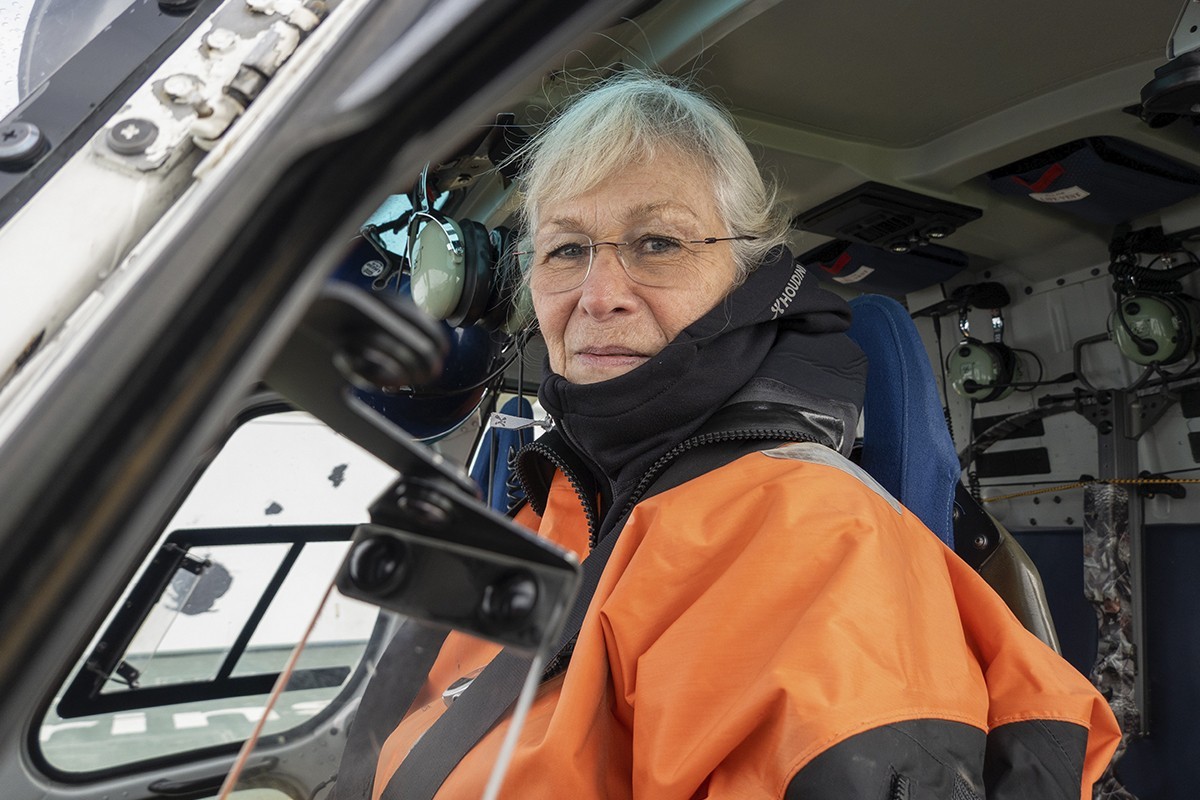
Kit Kovacs, a marine mammal biologist at the Norwegian Polar Institute, has witnessed firsthand the dramatic transformations in the Arctic since her time in Svalbard from 1996 to 1999. Once, there was sufficient sea ice for snowmobiles to navigate until June. Now, the scenery has changed remarkably; the Isfjorden no longer freezes, and melting glaciers have rendered the area increasingly hazardous. Kovacs highlighted, “It’s become a completely different place,” further stressing the difficulty younger generations have in grasping the rapid climate changes.
A Shift in Seasons
The arrival of spring has been occurring earlier each year. Kovacs notes that in 2026, spring showed up four to five weeks earlier than usual, resulting in shorter winters that now lose over a month each year. Seasonal activities and natural cycles are disrupted; for example, snow vehicles can’t operate due to insufficient snow, raising concerns about the fragile tundra.
The Role of the Norwegian Polar Institute
Located in Tromsø, the Norwegian Polar Institute has become a significant center for Arctic research and monitoring. This institution documents critical data that informs both national policies and international organizations such as the Arctic Council and the IPCC. “The extent and thickness of sea ice have decreased by 30% to 40% over the past 30 years,” states researcher Arild Sundfjord, emphasizing the alarming reduction in Arctic sea ice—down 50% in volume. These dramatic changes threaten not only the polar ecosystem but also contribute to global sea level rise.
Effects on Job and Research
In the contemporary research landscape, scientists spend three to four months in the field each year, needing advanced vessels like the Kronprins Haakon, a modern icebreaker allowing year-round operations in icy waters. The onboard labs conduct various ecological studies, utilizing the latest technology, including satellites, to assess changes in temperature, ice conditions, and biological factors in a challenging environment.
Vulnerability of Arctic Species
The impact of climate change on local fauna has been severe, with populations of ice-dependent species, like ringed seals, declining by 57% in just twenty years. Kovacs notes that as temperatures rise, animals face new threats, including disease—once manageable due to colder conditions. For example, 60% of arctic foxes now present with lice, a sign that warmer temperatures are altering their ecological balance.
Future of Polar Research
Amidst the rising temperatures, the fate of the polar bear population hangs in the balance. Though climate change has shifted their habits, making them more adaptable—hunting additional prey such as reindeer—the declining seal population means long-term stability is uncertain. Conservation efforts are in place to protect ice in regions like northern Canada and Greenland.
Conclusion
The Arctic’s status as a climate change hotspot is undeniable, with significant implications not just locally but globally. Researchers at the Norwegian Polar Institute advocate for immediate action to cut greenhouse gas emissions to avert further catastrophe. As Kovacs poignantly puts it, “Our planet is changing and telling us that enough is enough. We should be doing so much more.” The Arctic’s fate will continue to serve as a barometer for the health of our planet.