
## Asian LNG Buyers in Crisis Mode
In global energy markets, the situation is becoming increasingly dire as Asian liquefied natural gas (LNG) buyers scramble to secure supplies amidst escalating geopolitical tensions in the Middle East. The looming threat of supply disruptions has triggered a panic response from Asia’s major powers, with concerns that these disruptions could persist for months.
### The Catalyst: Qatar’s Production Halt
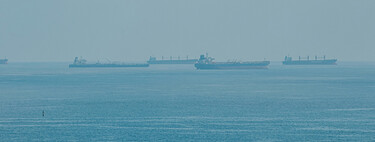
The immediate source of anxiety is the Strait of Hormuz, a critical chokepoint for global energy transportation. Recent attacks involving Iranian drones have shut down key facilities in Qatar—responsible for around 20% of the world’s LNG supply—leading to a significant reduction in global LNG availability. A staggering 1.5 million tons of gas is being removed from the market weekly, compounded by a blockade affecting roughly 150 ships in the region.
### Asia’s Buying Frenzy
In response to the crisis, LNG purchases across Asia have surged. Reports indicate that countries like Taiwan and Bangladesh have already secured their gas supplies for the short term and are now eyeing future shipments. Meanwhile, nations like Thailand and South Korea are negotiating for immediate deliveries, while India struggles to lock in shipments amid fierce competition.
### A Trade War: Europe vs. Asia
This energy crisis is setting the stage for an intense competition between Europe and Asia for limited gas resources—a scenario reminiscent of the 2022 energy crisis sparked by the Russian invasion of Ukraine. Europe is particularly vulnerable, with gas storage levels at approximately 30%, a situation exacerbated by elevated energy prices and infrastructural challenges.
### Price Inflation and Economic Impact
The impact of the current crisis is starkly reflected in rising LNG spot prices in Asia, which have surged to around $18 per million British thermal units (MMBtu)—an 80% increase from pre-crisis levels. In Europe, the TTF benchmark index saw a significant spike from below 40 euros to nearly 47.5 euros, a warning sign that could lead to a resurgence of inflation and potential factory closures.
### Shipping Routes Shift
As Asian nations aggressively secure gas resources, shipping routes are being diverted. At least nine shipments initially destined for Europe are now heading to Asia, driven by lucrative offers from the region. This shift underscores the precarious state of global energy logistics amid the ongoing crisis.
### Teetering on the Edge: Vulnerabilities in the Region
Countries like Taiwan find themselves particularly exposed due to their reliance on Qatari LNG. Similarly, South Asian nations such as Pakistan, Bangladesh, and India depend heavily on energy imports from Qatar and the UAE, making them highly susceptible to supply disruptions. In contrast, larger economies like China and Japan are mitigating their risks thanks to diversified energy portfolios and adequate reserves.
### Future Outlook: Asia as a Buffer
While the energy market will eventually rebalance, the fallout will disproportionately affect price-sensitive countries in South Asia. These nations may face dire choices, like cutting industrial output or reverting to coal consumption, effectively acting as a buffer during the current crisis. Japan and South Korea aim to replace a substantial share of Qatar’s lost volumes on the spot market, whereas China plans to cover just half of its needs.
The repercussions of this energy crisis extend far beyond national borders, affecting global energy prices and inflation rates in the coming months. As Asian buyers dominate the LNG market, the entire world will likely bear the brunt of heightened energy costs.