
The Rise of Cash in a Digital Payment Era
In April 2025, Spain experienced a historic blackout, revealing vulnerabilities in digital payment systems. This unexpected event left numerous Americans unable to use digital methods, leading businesses to require cash payments. Furthermore, subsequent outages of the Redsys payment system disrupted both physical and online card transactions. The Bank of Spain has since advised citizens to keep cash on hand to mitigate future inconveniences.
Keep 70 Euros at Home Just in Case
The Bank of Spain has launched a recommendation encouraging individuals to maintain a cash reserve of between 70 and 100 euros per person. This aligns with suggestions from other European central banks, including those from Holland, Austria, and Finland, which advocate for similar preparedness. The European Central Bank has highlighted the necessity of having enough cash to cover essential needs for 72 hours, emphasizing the importance of accessibility during emergencies.
A Shift in Attitudes Towards Cash
While some countries like Sweden initially embraced digital payment systems, they now recognize the pitfalls of a diminishing cash infrastructure. Sweden’s government has proposed legislation requiring supermarkets and pharmacies to accept cash payments, ensuring that access to essential goods remains intact. Similarly, Belgium has enacted regulations to safeguard cash transactions, as a significant proportion of purchases (around 45%) are still made with cash.
The Right to Cash
Countries like Hungary have taken remarkable steps to uphold cash availability. In 2025, the Hungarian government enacted the “ATM Act,” mandating that all towns provide cash withdrawal services. Switzerland has gone even further, enshrining access to cash as a constitutional right. This ensures that Swiss citizens can continue using traditional banknotes and coins, regardless of future digital currency developments.
Addressing Financial Exclusion
Despite the growth of digital payment options, many individuals—particularly older adults and people with disabilities—face barriers to using these systems. Pilar Villarino, director of the Spanish Committee of Representatives of People with Disabilities (CERMI), has noted that advancements in payment technology may inadvertently marginalize those who struggle to adapt. Accessibility remains a crucial concern as society leans more toward digital solutions.
The Cash Situation in Spain
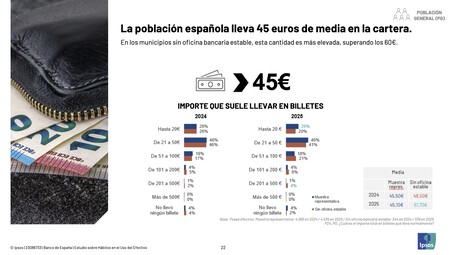
Remarkably, cash is still the primary means of payment for 57% of Spaniards. However, many do not keep cash reserves for emergencies. According to a recent Bank of Spain study, only half of the population had cash on hand, with an average amount of just 45 euros—well below the recommended threshold by the European Central Bank.
The Future of ATMs in Spain
The availability of cash is increasingly threatened by a notable reduction in the ATM network, with Spain losing approximately 8,000 ATMs (an 18% decrease) over the past two years. Despite this downward trend, the 2025 blackout has prompted a reevaluation of cash’s role, turning it from an obsolete method to a lifeline during emergencies.
Conclusion
As society transitions toward a predominantly digital payment landscape, the recent events in Spain provide a stark reminder of the importance of cash as a backup. Keeping a cash reserve is not just about convenience; it’s a practical measure for safeguarding against unforeseen circumstances. Whether for emergencies or for those who find digital methods challenging, the value of cash endures.
