
## Apple’s Ambitious Plan to Revamp Siri
Apple Intelligence was introduced in 2024 with big promises, especially a completely renewed Siri that was poised to be much more capable and versatile. However, what consumers were shown turned out to be little more than a fictitious demo, resulting in a delay of the revamped Siri until 2026. Having lost the initial round of the AI race, Apple has crafted a plan to recover, which includes an annual payout of $1 billion to Google while continuing to develop its own technology.
### The Agreement
According to Mark Gurman at Bloomberg, Apple is finalizing a deal with Google worth $1 billion a year. This agreement will allow Apple to harness Google’s Gemini AI model to enhance Siri, particularly focusing on planning and summarization functions. These upgrades are essential as they enable Siri to execute complex tasks more efficiently. Despite considering options from competitors like OpenAI and Anthropic, Apple ultimately decided that Google’s Gemini met their needs best. The new and improved Siri is anticipated to debut in the spring of next year, although no official confirmation has been given.
### Key Conditions of the Agreement
An essential aspect of this deal is the method of integration. Google’s Gemini will not function as a standalone assistant on iPhones but will be embedded into Siri through Apple’s private servers. This approach ensures that user data remains segregated from Google’s infrastructure. Notably, Apple plans to keep the details of this partnership under wraps, opting for a “behind-the-scenes” approach rather than a public announcement like the one made when Google became the default search engine for Safari.
### A Temporary Solution
While using Google’s model is a strategic move, Apple does not intend to rely on it indefinitely. The company is concurrently developing its own language model with 1 billion parameters, expected to be of comparable quality to Gemini. However, uncertainties linger around whether this new model will materialize as planned, especially considering Apple’s previous missteps in the AI space. Compounding the situation, the company has lost several key AI executives to competitors like Meta, raising questions about the future success of their internal efforts.
### Challenges in the Chinese Market
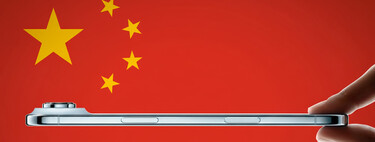
One significant hurdle posed by this agreement is the ban on Google services in China. Consequently, the new Siri may require adaptations to meet local regulations. Reports suggest that the Chinese version could potentially utilize localized models or filters developed by Alibaba. Given that China is a critical market for Apple, introducing a modified Siri there could have negative implications for its performance in a region where consumer sentiment is pivotal.
### Conclusion
As Apple navigates its way through this challenging landscape, the partnership with Google may serve as a bridge to technological recovery, albeit a potentially costly one. While they aim to rejuvenate Siri, the race against fierce competitors continues, emphasizing the ongoing evolution of AI and voice assistants in a competitive marketplace.