
Belgium: A Narco-State in the Making?
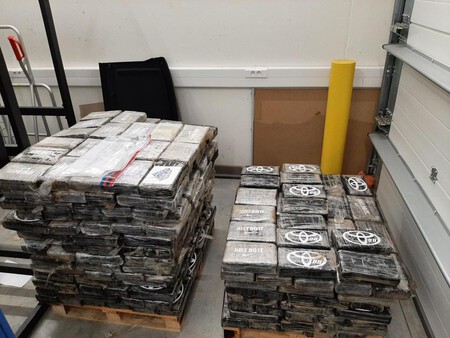
Belgium, often celebrated as the heart of Europe and a hub for major EU institutions, now faces a dark transformation into a ‘narco-state.’ This warning comes not from sensationalist media but from a magistrate in Antwerp who recently exposed the alarming rise of drug trafficking, specifically through the country’s main port.
Concerns Raised by Judicial Authorities
In a striking open letter published by the Antwerp court, an anonymous judge highlighted the deteriorating integrity of Belgium’s institutions as they grapple with the pervasive influence of organized crime. The letter underscores the severity of the threat posed by drug trafficking, suggesting that Belgium may be on a path toward becoming a narco-state, defined by rampant corruption and violence linked to the illegal drug trade.
The Extent of Drug Trafficking in Antwerp
Antwerp, with its strategic geographic location, has emerged as a significant entry point for cocaine into Europe. More than 70% of cocaine that entered the continent in 2024 passed through Antwerp and Rotterdam. This alarming statistic showcases the growing dominance of the port in the illicit drug trade, drawing the attention of global traffickers, primarily from Latin America.
A Parallel Economy
The magistrate’s letter reveals a chilling reality: Major mafia networks have established a parallel economy within the port, operating beyond official oversight. This dark economy not only thrives on narcotics but also expands into money laundering, significantly affecting sectors like real estate. The infiltration of organized crime into the economic and political framework raises questions about the long-term stability of Belgian society.
Corruption and Violence: Tools of the Trade
The author of the letter emphasizes that gangs are employing a combination of blackmail, coercion, and extreme violence, including kidnappings and murder, to enforce their control. The ease with which they orchestrate violent acts—even through social media platforms—signals a grave shift in the power dynamics between law enforcement and organized crime.
Several judges have reportedly had to live under police protection due to threats, illustrating the intimidation tactics that are becoming commonplace. The potential consequence? A dwindling number of judges willing to adjudicate cases involving these powerful mafias.
Urgent Need for Government Action
Despite the judge’s emphatic warnings, the response from the Belgian government appears insufficient. Bart Willocx, the president of the Antwerp Court of Appeal, reiterated that the scale of drug money flowing through Belgian channels endangers societal stability. With the situation at a critical juncture, the government must take definitive action to combat this encroaching threat.
Conclusion
Belgium is at a crossroads, staring into an abyss of escalating drug trafficking and organized crime. The alarming predictions of becoming a narco-state are not just hyperbole; they are a call to action for both the local authorities and the international community. Without immediate and effective intervention, Belgium risks losing its status as a stronghold of democracy and rule of law to the shadowy world of drug trafficking. Only time will tell if the nation can reclaim its narrative and prevent the further entrenchment of organized crime within its borders.