
Google Unveils Material 3 Expressive in Gmail and Google Messages
Google has always been at the forefront of technological innovations and design enhancements. With the upcoming release of Android 16 , significant changes are on the horizon. The new design language, Material 3 Expressive , is set to redefine the user experience for many Google applications, starting with Gmail and Google Messages . Although Android 16 isn’t available yet, select users are getting a sneak peek through a server-side update that introduces this vibrant new style.
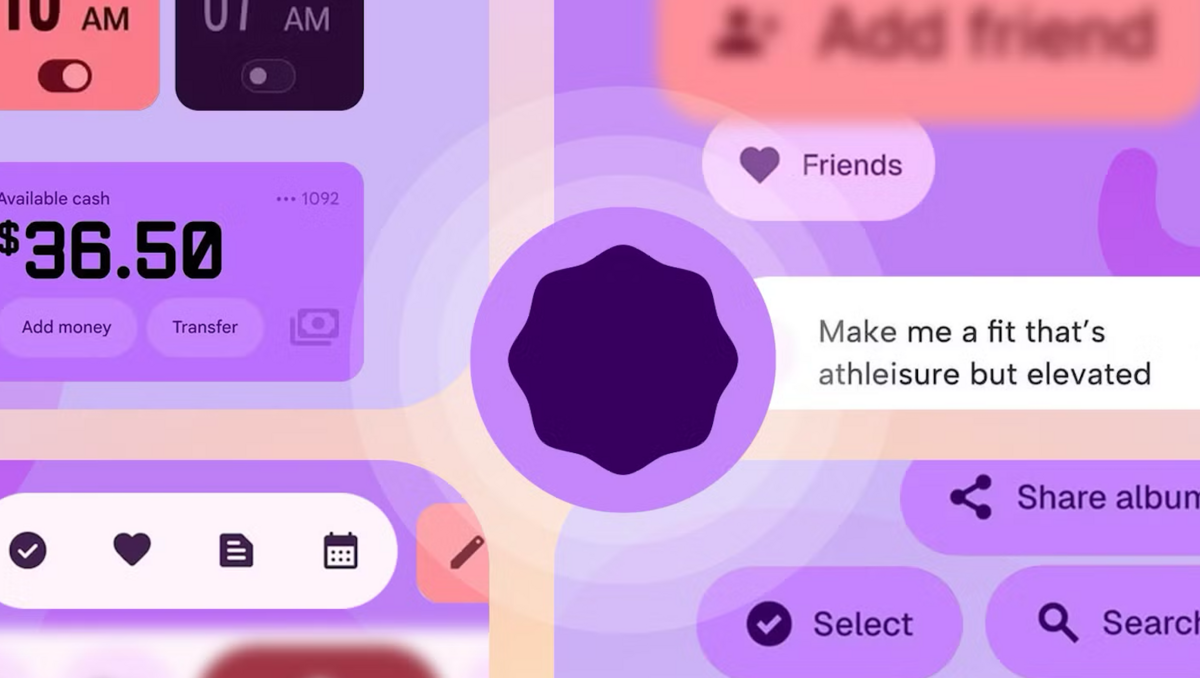
The Material 3 Expressive design aims to make apps not only more visually appealing but also more functional and intuitive. This upgrade comes at a time when user expectations for interface aesthetics and smooth operations are higher than ever. The changes are not only a visual overhaul but also incorporate smoother animations and a more engaging color palette.

The Impact on Gmail
The transformation in Gmail is immediately noticeable. The search bar has been considerably widened, integrating the account switch feature directly within it. This simplification reduces the need for multiple clicks and provides a more cohesive user experience. Moreover, the compose button for new emails stands out much more prominently due to a fresh application of vibrant colors.
Emails themselves are now displayed in a card layout that is less cluttered than before. This approach not only enhances readability but also introduces more elegant animations that make navigating through emails feel effortless. Users can expect an overall smoother interaction , aligning Gmail with the evolving visual identity of Google’s suite of applications.

Revolutionizing Google Messages
The fluidity and comprehensibility of the new design make communication feel less cumbersome. Users can efficiently switch between various forms of expression, thus enhancing both the functionality and user enjoyment of the app.

This innovative style has already been noticed in Gmail’s recent update (2025.05.11) and the beta version of Google Messages (20250528_00_RC00). The deployment of these enhancements through a server-side update means users don’t need to perform any actions for this integration, provided their accounts are among those selected for the upgrade. For Galaxy smartphone users, an opportunity to enjoy these updates may come soon through the beta version of One UI 8 .
Overall, the introduction of Material 3 Expressive signifies a considerable leap for Gmail and Google Messages, demonstrating Google’s commitment to remain at the cutting edge of design and functionality. Such updates not only enhance user satisfaction but also align Google apps with modern design trends. In a world where digital expression plays a crucial role, these improvements allow users to communicate more effectively and enjoyably. This new aesthetic coupled with increased usability may well redefine how users interact with Google’s core applications.