
AMD’s Bold Growth Projections
AMD has recently made headlines by announcing dramatic growth forecasts that have taken the market by surprise. The company is projecting an average growth rate of 35% annually over the next three to five years, especially highlighting its AI chip division, which is expected to grow by an astounding 80% during the same timeframe. AMD predicts that the overall AI chip market will reach a staggering $1 trillion by 2030.
Turning the Tide in AI Strategy
Although AMD has previously lagged behind competitors in the AI sector, several key developments indicate a shift in its strategy. The landmark deal with OpenAI and ongoing hardware development are key elements driving this change. CEO Lisa Su’s recent statements further lend credence to this newfound optimism, suggesting that AMD may be turning a corner in its approach toward AI technology.
A Shift in Communication Strategy
Historically conservative in financial projections, AMD’s optimistic forecasts mark a notable departure from its usual prudent outlook. This shift signals the extent to which the tech industry is banking on rising demand for AI infrastructure. Lisa Su’s embrace of aggressive growth figures raises eyebrows, blending caution with an eagerness to adapt to market dynamics.
Context Behind the Promises
AMD has claimed that major data center operators are accelerating their investment plans, contradicting earlier forecasts of a slowdown. According to Lisa Su, these companies now see “real value” in AI, indicating that the pace of infrastructure development will continue to expand. Partnerships with OpenAI and Oracle may result in tens of billions of dollars in annual revenue by 2027, further electrifying investor sentiment.
The Risks Involved
However, it’s crucial to recognize the risks tied to these predictions. AMD is adopting the same overly optimistic narrative pushed by rivals like NVIDIA and OpenAI. If the anticipated demand for AI chips fails to materialize, the ensuing market correction could be severe. Concerns about the sustainability of these projections are growing, especially as many companies are banking on an uninterrupted surge in AI demand.
Signs of Market Overheating
Signs that the market may be heating up are already evident. Investors like Michael Burry have begun to short stocks in the AI sector, asserting that tech giants might be inflating their figures through accounting tactics. Moreover, Softbank’s recent $6 billion divestment in NVIDIA indicates some hesitance in the investment community, raising further doubts about valuation in this crowded market.
AMD’s Position in the AI Ecosystem
Despite having doubled its stock price this year, AMD still trails behind NVIDIA in the lucrative AI accelerator market. Traditional rival Intel lacks a competitive product, positioning AMD as a candidate for growth in this segment. The company is banking on its upcoming MI400 chips and the Helios system, set for release in 2026. However, market analysts describe these goals as “aggressive” and “aspirational,” revealing skepticism about execution capabilities.
What’s Next for AMD?
Looking ahead, AMD aims to secure a double-digit market share in the data center AI chip sector in the coming years. It remains uncertain whether the company can effectively turn such optimistic projections into reality or if it will be yet another example of an industry losing touch with cautious market fundamentals.
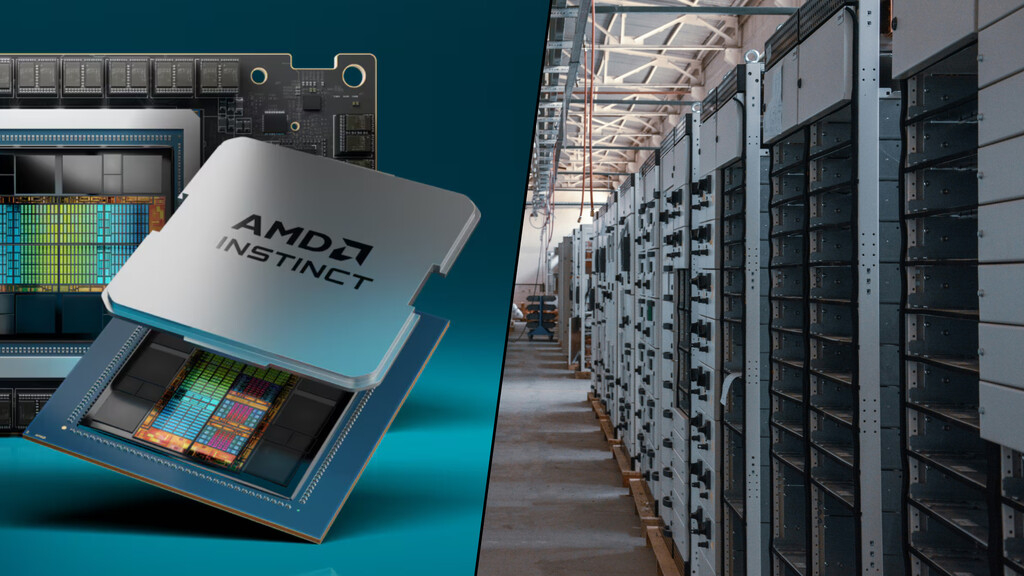
Cover image | AMD and İsmail Enes Ayhan