
Álvaro Moreno: Blending Faith and Fashion
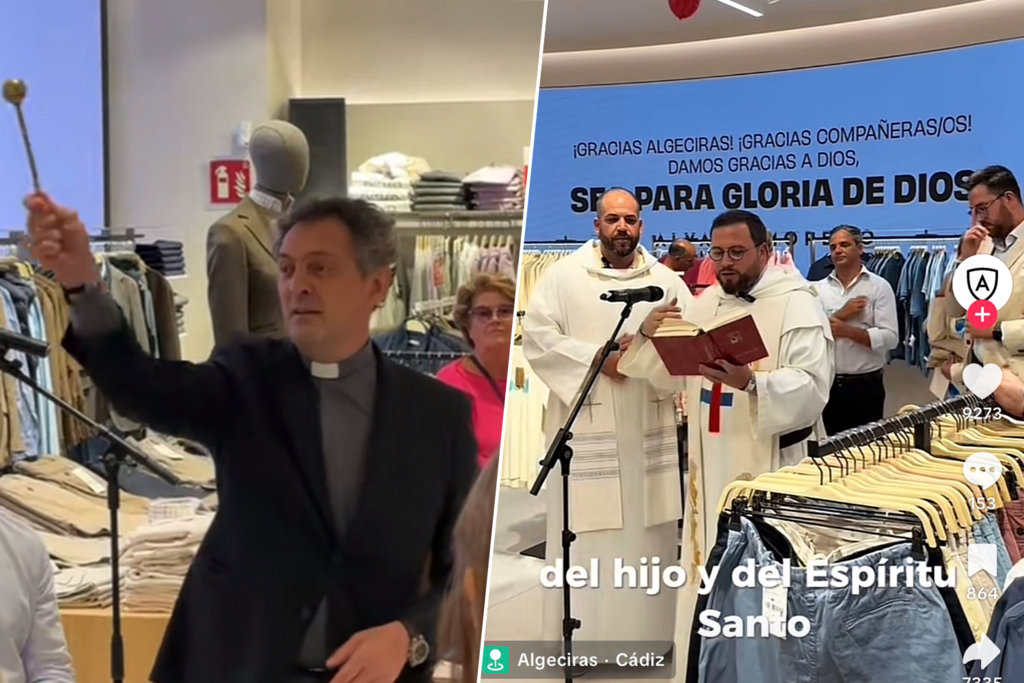
During the inauguration of his store in Zaragoza, Álvaro Moreno’s Catholic clothing brand showcased a tradition that exemplifies his business philosophy. A priest blessed the premises and the employees, complemented by the motto “May it be for the glory of God” displayed prominently. This ritual encapsulates the essence of Moreno’s approach: intertwining his Catholic faith with his entrepreneurial journey.
A Missional Approach to Business
“When I open a store, I say let it be for the glory of God, because if it is not for his glory, why are we here?” This sentiment by Moreno reflects a deep commitment to intertwining faith with business. Since opening his first store at age 21 in Osuna, he has grown his brand to employ 700 people, generating annual profits nearing 11 million euros. His faith became a guiding light in navigating the challenges posed by the pandemic, revealing new perspectives on purpose and corporate responsibility.
Social Responsibility at the Core
Moreno’s brand actively integrates various social initiatives, including “Tiendas con Alma,” which collaborates with NGOs like Down España and ELA Andalucía. His dedication to “doing a company with soul” reflects a genuine commitment rather than mere marketing tactics. This fusion of business with social ethics aligns seamlessly with a cultural trend that sees the re-emergence of Catholicism not just as a faith but as an aesthetic force.
A Rising Trend: Chic Christianity
The Influence of Pop Culture
Álvaro Moreno’s public expression of faith is part of a larger cultural movement where religious elements regain visibility in contemporary art and fashion. With artists like Rosalía incorporating religious iconography into their work, Catholicism is transitioning from mere tradition to a prominent cultural language for younger generations. Rosalía’s new album, Lux, featuring her in a white habit and intertwining faith with music, mirrors this trend as spirituality becomes less of a taboo and more of a mainstream acknowledgment.
The Digital Dimension of Faith
The phenomenon isn’t limited to Spain. In the U.S., artists like Forrest Frank are driving a resurgence in contemporary Christian music, achieving millions of streams and views on platforms like TikTok. Even convents are embracing social media, with nuns sharing their lives online, making religious practices more accessible and relatable to young audiences who might otherwise feel disconnected from traditional church settings. What was once preached only in sacred spaces now finds a home in digital platforms, appealing to modern sensibilities.
A Generational Shift in Catholic Identity
Data suggests a noticeable change in religious affiliation among Spain’s youth. Recent studies indicate that 36.4% of individuals aged 18 to 24 now identify as Catholic, up from 28% in 2021, with a significant portion actively practicing. This shift is characterized by an emerging “identity-based Catholicism,” articulated by anthropologist Mónica Cornejo, who notes a pride in openly expressing religious beliefs. Unlike the past, where such expressions were often muted, today’s youth are unashamedly embracing their faith in both personal and public spheres.
The Aesthetic of Belief
Yet, this rising visibility of faith raises complex questions: is this expression of faith genuine or merely a strategic branding tactic? As Noemí López Trujillo observes, the incorporation of religious themes into popular culture often walks a fine line between devotion and marketing. For Álvaro Moreno, the phrase “Let it be for the glory of God” resonates with authenticity while simultaneously serving as a powerful branding strategy in a consumer market increasingly drawn to purposeful narratives.
Conclusion: Navigating the Border of Faith and Commerce
In a world where deep spirituality risks being commodified into consumer aesthetics, the challenge lies in maintaining the essence of belief amid strategic branding. The growth of chic Christianity brings comfort and inspiration but also necessitates a critical examination of how faith interacts with modern consumer culture. As belief finds its place within the marketplace, it is essential to explore this delicate balance, ensuring that conviction does not lose its depth in the face of commercial pursuits.