
Cancer affects millions of individuals worldwide, increasingly impacting younger populations. As the complexity of this disease continues to challenge medical science, advancements in research offer promising, innovative treatments. Yet, a significant number of patients are turning to alternative therapies . Just how effective are these choices? This article investigates the motivations and outcomes of those who veer from conventional treatment paths.
According to the data from the Federal Statistical Office (FSO), approximately 49,000 new cancer cases are diagnosed annually in Switzerland. Cancer remains one of the most dreaded diseases, currently the second leading cause of death in the country. Despite the heavy burden of treatments, which often lead to severe side effects, there’s room for optimism. Advances in science have dramatically improved survival rates: today, 70% of cancer patients are alive five years post-diagnosis, compared to only 35% in the late 1950s.
Turning Away from Conventional Medicine
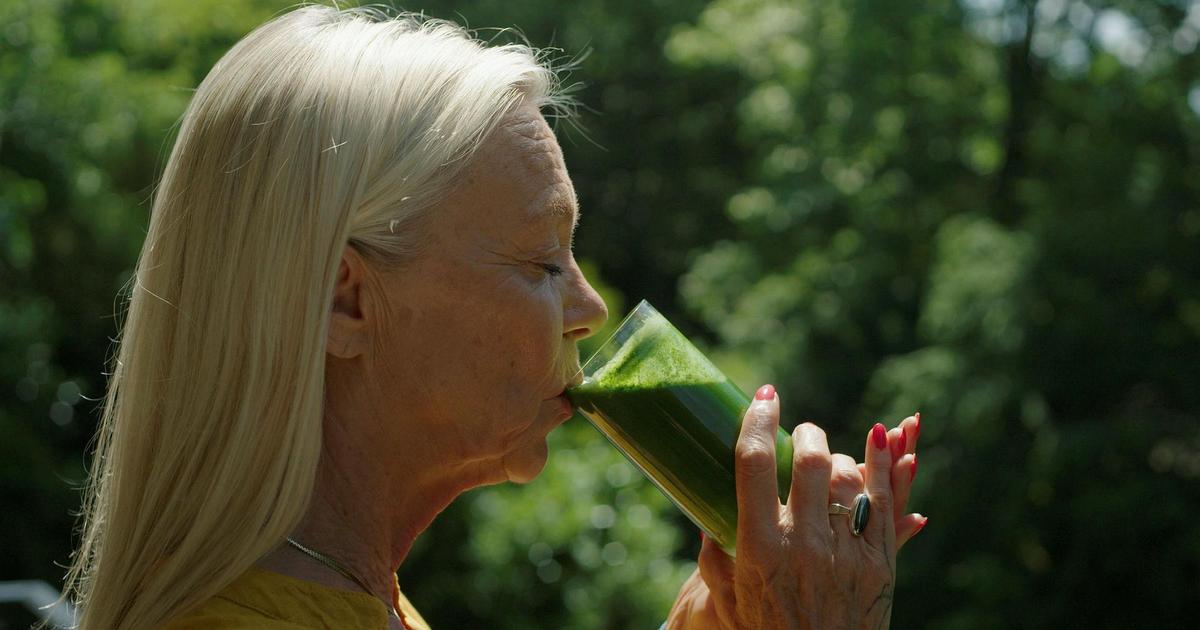
Even with significant progress in medical treatment, some cancer patients opt for alternative healing methods. The show Temps Présent interviews individuals like Aija, a yoga instructor who learned of her breast cancer diagnosis in 2010. Choosing not to undergo a scheduled biopsy and surgery, she abstained from sugar for 18 months , embraced raw food diet principles, and practiced visualization and meditation. Remarkably, Aija claims to be cured, having never revisited conventional medical assessments.
“I had a patient who, for a long time, exclusively turned to alternative therapies. She seemed well until she was admitted to the hospital with metastases on her spine.”
Dr. Schlaeppi, an oncologist who established the Centre for Alternative Medicine at St. Gall Cantonal Hospital, advocates for cooperation between conventional and complementary medicine for the benefit of patients. “I’ve seen patients who, having strayed solely into alternative therapies, face dire consequences when the disease progresses unnoticed,” he explains, underscoring the potential risks in avoiding traditional treatment options.
What Do Studies Indicate?
Despite the growing popularity of alternative therapies, scientific inquiry remains limited. With most methods not grounded in robust evidence, researchers often overlook these approaches. For instance, Skyler B. Johnson, a radiation oncologist at the University of Utah, delved into this issue out of personal necessity. His wife had Hodgkin’s lymphoma, prompting him to explore questionable claims found online. Thankfully, she received effective conventional treatment and recovered, yet his experience motivated him to investigate how others navigated similar situations.
The Risks of Alternative Treatments in Numbers
Dr. Johnson’s research on 815 American patients diagnosed with early-stage cancers revealed alarming statistics. Of those, 258 opted for alternative therapies only, and their mortality risk was 2.5 times higher. The severity varied by cancer type, with breast cancer patients facing a risk increased by up to 5.6 times . Published in the *Journal of the National Cancer Institute*, these findings serve as a critical warning flag for patients, frequently composed of young and affluent individuals, who substitute established medical care for unvalidated methods.
Fatal Consequences of Alternative Therapies
Barbara, a mother from Ticino battling breast cancer , suffered tragic consequences after abandoning conventional treatments. Following her surgery, she pursued alternative therapies for two years . Only after her condition escalated did a therapist encourage her to revisit an oncologist, who presented conventional treatment as an option, albeit too late. Barbara tragically passed away in early 2024.
“Spontaneous healings exist but are exceedingly rare.”
Miraculous Recovery Through Mistletoe Injections
On the other hand, Nicoletta, a teacher who relied on traditional medicine, experienced a surprising turn during her recurrence of liver cancer when she began receiving mistletoe injections . Initially given only months to live, she found that her numerous tumors shrank, eventually disappearing, startling her doctors.
Dr. Schlaeppi acknowledges the existence of rare miraculous recoveries but emphasizes, “While spontaneous remissions occur, they can’t be intentionally replicated, which remains a significant challenge. Many patients undergoing similar treatments experience no such outcome.”
“Every time I explore another option, it gives me hope and encourages me to keep moving forward.”
Two Paths, One Struggle
Jean-François, diagnosed at age 52 with a neuroendocrine tumor with liver metastases, demonstrates an integrative approach. He shares his journey, balancing conventional treatments while engaging in alternative therapies including mistletoe injections, acupuncture, and more. Twenty-one years later, he continues to explore new therapies, stating, “Every time I explore another option, it gives me hope. This is how I keep moving forward.”
In navigating their cancer journeys, patients like Aija and Jean-François exemplify the complexities and deeply personalized nature of treatment paths. As the discussion on conventional versus alternative therapies evolves, it remains crucial for patients to make informed decisions based on robust evidence and professional guidance.