
New Transportation Developments in Ajaccio
As Ajaccio enters a new era of public transportation, significant changes are on the horizon. The Capa, or Communauté d’agglomération du Pays ajaccien, is prioritizing sustainable transit options to enhance connectivity and reduce reliance on cars.
Introduction of a New Cable Car
On May 26, the community council unveiled the pricing structure for the upcoming cable car service in Ajaccio. This initiative aligns with the community’s broader goal of improving local transportation options. Beginning September 1, residents will soon experience this modern mode of transport, which aims to make travel across the city more efficient.
Pricing Structure for the Cable Car
The council voted to set the round-trip fare for the cable car at 5€. However, the real innovation comes in the form of a residential fare, priced at 25€ per month. This pricing model facilitates unlimited access to the bus, cable car, maritime shuttle, and train services. President Stéphane Sbraggia emphasized the importance of providing alternatives to car usage in a dynamic and growing territory.
A Holistic Approach to Public Transport
Stéphane Sbraggia pointed out that rather than just offering an individual subscription for the cable car, the initiative embodies a comprehensive transport offer. This approach aims to encourage a shift in transportation habits among residents, aligning with global sustainability trends. The council is committed to fostering a community that embraces public transport options, thereby reducing carbon footprints and promoting healthier lifestyles.
Creation of a New Bus Lane
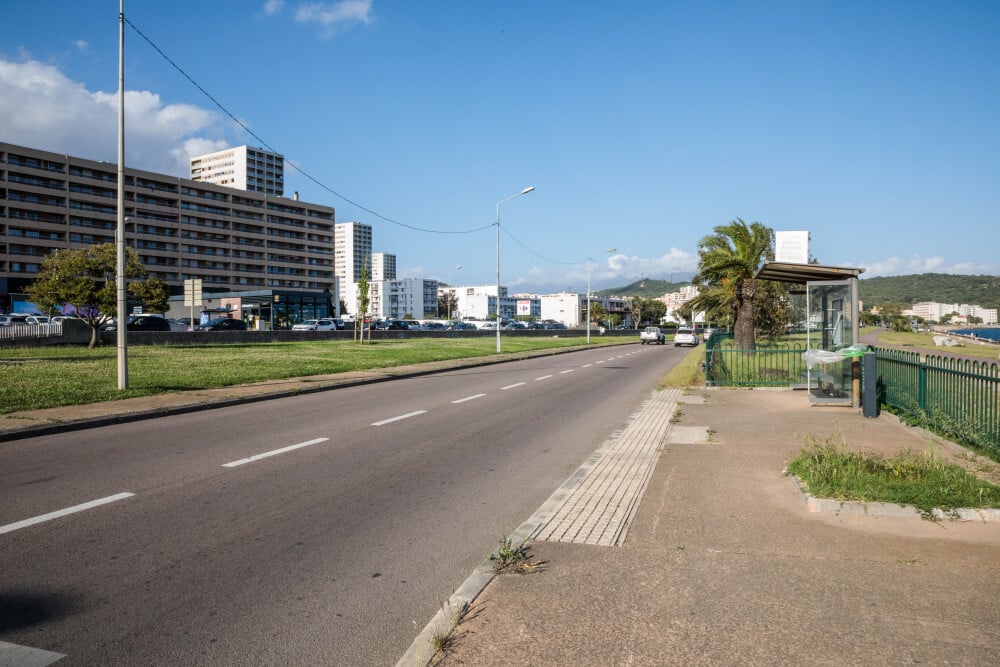
In addition to the cable car, the council has approved the establishment of a dedicated bus lane where only buses and bicycles will operate. This designated lane will stretch 500 meters along Boulevard Charles Bonaparte, enabling seamless access to the new cable car from the city center. The new bus lane, located between the Luigi gas station and the Salines level crossing, aims to improve traffic flow while promoting the use of public transport.
Importance of Public Engagement
During a public inquiry conducted in 2023, the investigative officer highlighted two critical conditions for the effective launch of the cable car: expanding parking facilities and creating a designated bus lane. While the Capa has partially complied with these recommendations, the bus lane does not start from the city center as the inquiry suggested. As a result, local stakeholders will continue to monitor this development closely.
Funding Details for the Bus Lane
The dedicated bus lane’s budget has been set at 987,000€, fully funded by the Capa’s 2025 budget. The financial commitment indicates the council’s determination to invest in public infrastructure. Two resolutions supporting this initiative were adopted, though some members, such as Jean Biancucci and Danielle Antonini, abstained from voting. Earlier this year, members of the Femu a Corsica party requested a study on dismantling the cable car, but they did not engage in discussions regarding this new bus lane project.
Potential Benefits of the Residential Fare
The community council deems a resident as someone who lives within the Capa, individuals under 25 years of age studying in Ajaccio, or employees working in the region. To qualify for the 25€ residential fare, individuals must provide documentation justifying their eligibility. The application process opens on June 2, and eligible residents must submit various forms such as tax notices, pay slips, or school certificates to obtain their fare.
The discounted rates are structured to encourage participation: residents under 25 years can access the fare for 20€, while those aged 63 and above can benefit from a reduced cost of 15€. Notably, local businesses and public entities are mandated to cover 50% to 75% of their employees’ fares, further promoting public transport usage in the region.
Conclusion
Ajaccio’s vision for efficient public transit is set to significantly transform transport dynamics. With the new cable car and dedicated bus lane, the community aims to provide seamless connectivity for its residents while encouraging eco-friendly transportation methods. This initiative epitomizes a forward-thinking approach to urban mobility, reflecting a broader commitment to sustainability.
La nouvelle voie exclusivement empruntée par les vélos et les bus s’étendra sur 500 m, boulevard Charles Bonaparte (côté mer), entre la station essence Luigi et le passage à niveau des Salines.
Fanny Hamard