
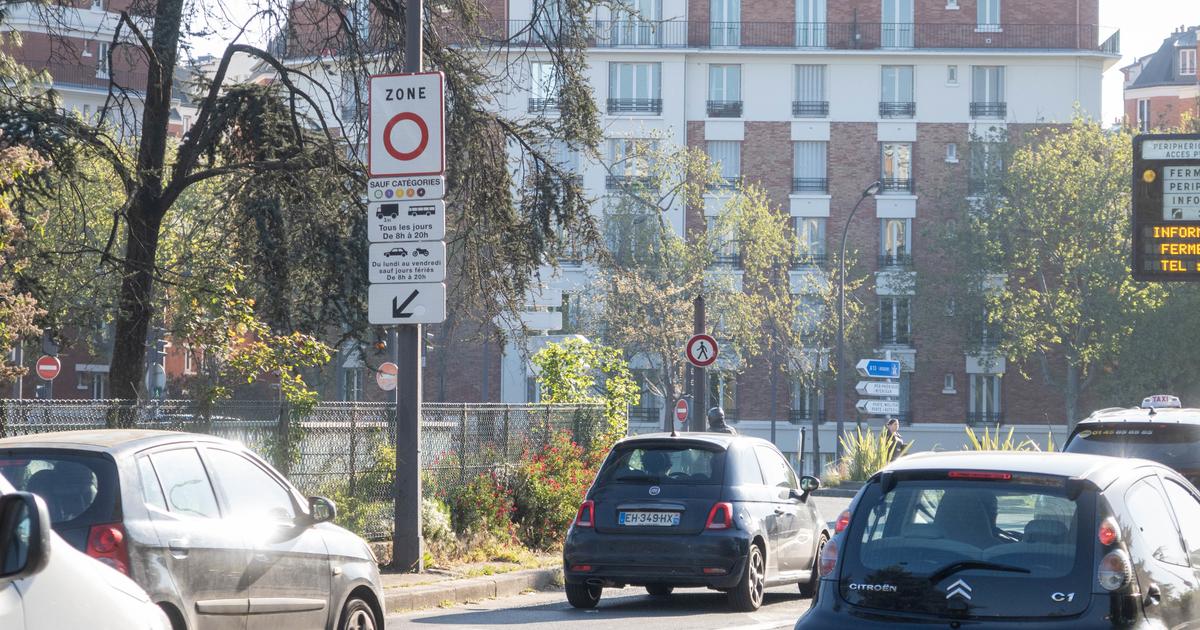
The End of Low Emission Zones: A Win for Car Owners or an Environmental Setback?
On Wednesday, the French National Assembly voted to eliminate the low emission zones (ZFE) initially instituted to combat urban air pollution. The decision passed with a margin of 98 votes in favor and 51 against, marking a significant shift in environmental policy that has left many stakeholders divided. Supporters of the motion see it as a victory over what they termed "punitive ecology," while opponents warn that it could risk public health.
The Purpose and Scope of Low Emission Zones
Introduced in 2019, low emission zones aimed to improve urban air quality by reducing the number of older, more polluting vehicles on the road. These zones required that vehicles rated as Crit’Air 3, 4, and 5 — typically older models — be prohibited from entering cities with populations over 150,000. This restriction applied to a staggering 14 million people, many of whom could not afford to purchase newer, compliant vehicles.
Critics of the ZFE initiative argued it was effectively a form of social exclusion. For example, Alexandre Jardin, a prominent writer and founding figure behind the opposition movement titled Les #Gueux (The Beggars), has stated, “The peasant regains his dignity!” after the recent vote. He emphasized that the Green Statism imposed by the government was "authoritarian and exclusive," essentially making it anti-republican.
Public Sentiment and Political Backlash
The removal of low emission zones has provoked mixed reactions among the public and political commentators. Many people in urban environments can now breathe sighs of relief, as the burdens imposed by these regulations no longer shred their budgets. However, some steel themselves against the backlash, terming the decision as short-sighted.
Politicians from various parties have expressed concerns regarding the potential ramifications of this drastic policy shift. The Paris mayor’s office has publicly denounced the repeal, calling it “stupid and unjust.” They argue that without the ZFE, air quality will likely deteriorate, exacerbating conditions for individuals already suffering from respiratory illnesses.
The Impact on Air Quality
Experts warn that deregulating vehicle emissions can have immediate adverse effects on urban environments. Studies have previously shown that low emission zones contributed to noticeable improvements in air quality, particularly in heavily trafficked cities. These include reductions in PM10 and PM2.5 particles, which are linked to numerous health issues, from asthma to cardiovascular diseases.
Coming on the heels of a global pandemic emphasizing public health, many health professionals urge a careful consideration of these changes. They recommend alternative approaches such as improved public transport systems and incentives for hybrid or electric vehicle use to further address air quality without imposing undue hardship on low-income citizens.
Finding a Middle Ground
As cities grapple with air quality issues, some urban planners suggest strategies that can balance economic accessibility with environmental responsibility. These can include:
Financial Assistance Programs: Offering subsidies or discounted loans for low-income families to purchase compliant vehicles.
Investing in Public Transportation: Improving the reliability and scope of public transport options can help deter car use while also providing economic relief to those reliant on automobiles.
Encouraging Sustainable Practices: Implementing reward systems for individuals and businesses that adopt more sustainable operating practices, such as carpooling or using electric vehicles.
- Creating Community Awareness: Educating the public on the impact of air quality on health, coupled with actionable steps they can take for cleaner air.
Each of these tactics can create a healthier urban environment without ostracizing any particular demographic.
In the face of mounting climate challenges, society must find a way to balance environmental concerns with social equity. Engaging citizens in service decisions can also help bolster public sentiment toward policies that balance both ecological and economic needs.
Les députés ont sonné le glas, mercredi, de ces zones interdites aux voitures polluantes. Un soulagement pour les opposants à ce dispositif, qui fustigeaient une mesure d’« écologie punitive ».