
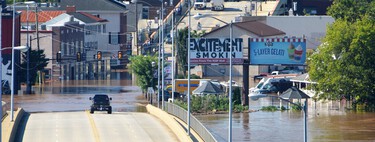
Current Conditions in Catalonia
As of now, Catalonia remains closed due to severe wind gusts. From midnight until 8:00 p.m., all educational and sports activities, along with non-urgent healthcare services, are suspended.
Impact on the Júcar River
It is not only Catalonia facing challenges; the Júcar River’s flow has surged in Cuenca, reaching red alert status. This situation comes amid rising reservoir levels across the region, with the majority of reservoirs exceeding 70% of their capacity. Notably, the Tous reservoir remains low at only 34% full for safety reasons.
The Mediterranean Region’s Water Situation
Beyond Recent Storms: Following a series of storms, the reservoirs in the Mediterranean region are experiencing record levels, with water accumulated since January 1 exceeding three times the normal values compared to the average from 1991 to 2020. This trend marked the best week for water reserves since records began, with levels rising by an astonishing 10.1% over just seven days.
Unstable Weather Patterns
Changing Patterns as a Poisoned Gift: Although the intensity of rainfall has diminished, it continues in various parts of the country. As explained by meteorologist Andrea Danta, the first day without widespread rain across Spain is likely to occur only after a reorganization of atmospheric circulation later this week.
However, this lull could bring its own issues.
Preparing for Melting Snow
The Implications of Snow Thaw: With significant snow accumulation in the Iberian system and the Pyrenees, the concern shifts to potential melting. This snow will inevitably end up in the Mediterranean, contributing to an already high water situation. Uncertainties regarding the duration and effects of the thaw raise concerns about the water landscape going forward.
Potential Consequences
The risks associated with the thaw extend beyond just floods or flash floods. Altering water flow patterns can disrupt ecosystems, agriculture, and even hydroelectric production significantly.
Taking Urgent Action
Immediate Priorities: Currently, it’s crucial to focus on managing river beds to mitigate flood risks. This task is becoming increasingly complex, as active hydrological surveillance is being implemented, extending its focus beyond just the Guadalquivir and Guadiana rivers.
In the Ebro region, rivers such as the Arga, Aragón, Gállego (left bank), and the Tirón and Najerilla (right bank) are under close monitoring. Within Catalonia, particular attention is being given to the upper reaches of the Segre, Llobregat, and Ter rivers.
With new weather fronts approaching and the prospect of ice melting, the situation continues to be precarious.
Image | Water Alternatives