
ANNA KURTH / AFP
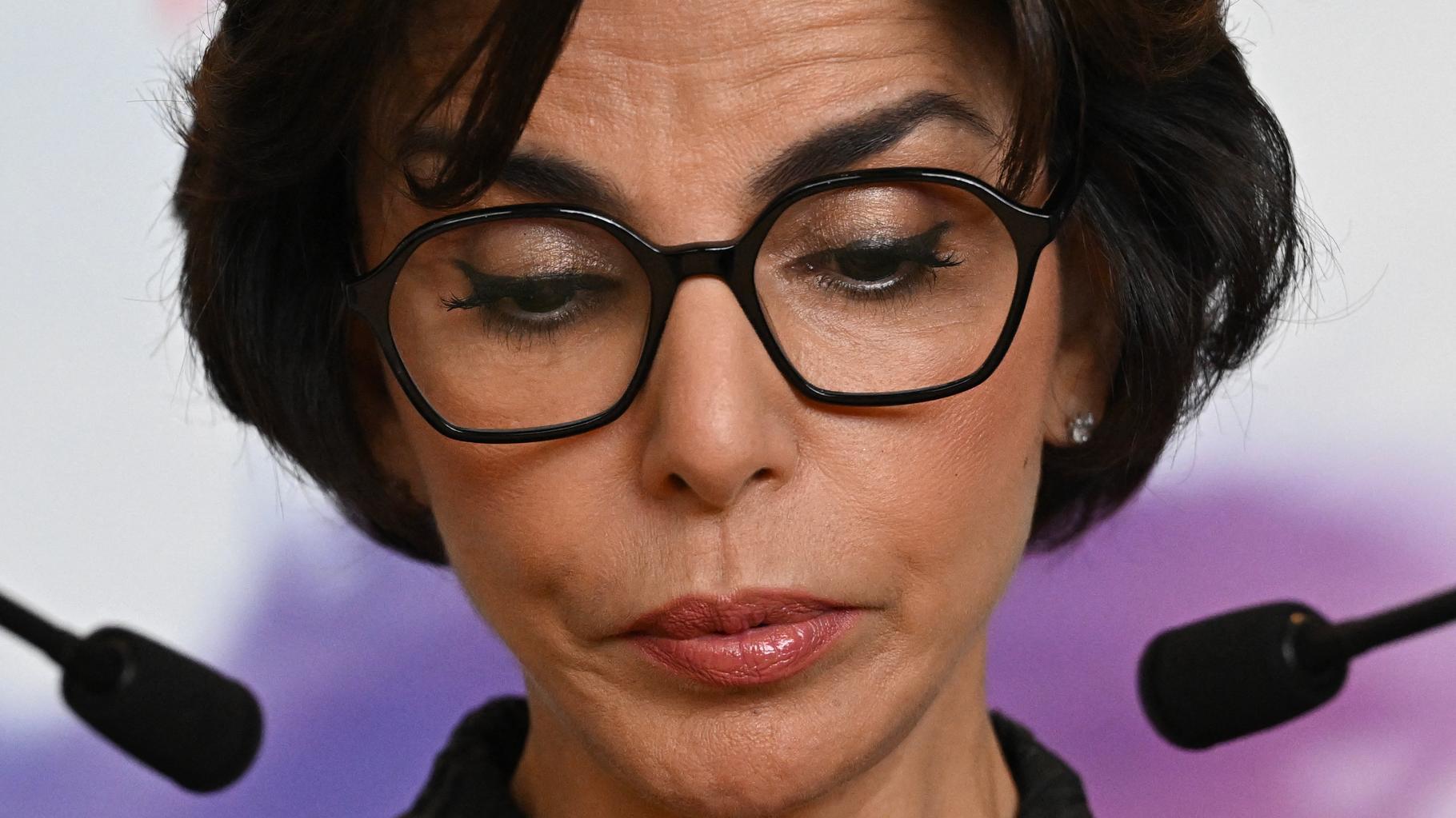
Rachida Dati photographié le 17 mai au festival de Cannes (Photo by Anna KURTH / AFP)
In recent weeks, the spotlight has been firmly on Rachida Dati , the current Minister of Culture in France and a prominent Parisian politician. On June 5, France 2 aired a revealing documentary segment of Complément d’enquête , shedding light on Dati’s political maneuvers and the controversies surrounding her career. Renowned as the “ political bulldozer ,” Dati’s effectiveness and ethical practices are now under scrutiny as judicial challenges loom closer.
The popularity of the recent episode on France 2 speaks to Dati’s controversial allure, garnering some of its highest viewership ratings of the season. Yet, the broadcast raised questions about her methods, particularly with recent allegations regarding financial improprieties echoing loudly in Paris’s political circles.
Explosive Claims: The GDF Affair
The documentary unveiled startling evidence, suggesting that Dati received a staggering €299,000 in undeclared fees from French energy giant GDF Suez during her tenure as an MEP and lawyer in 2010-2011 . While she positioned herself as a supporter of the energy sector in Brussels, allegations of passive corruption arose, particularly concerning another set of fees amounting to €900,000 tied to her involvement in the Carlos Ghosn affair, a case that captured international headlines.
Adding to her legal woes, recent investigative reporting by Libération alleged that Dati failed to declare several hundred thousand euros worth of luxury jewelry. Dati’s critics in Paris’s leftist political factions have seized upon these allegations, igniting fierce discussions around her capability and integrity as a public servant.
Marine Tondelier , first secretary of the Ecologist party, went so far as to demand Dati’s resignation, asserting that no minister could retain their position amidst such a torrent of corruption accusations. David Belliard , a key figure in the ecologist camp, similarly voiced his frustrations, emphasizing that countless allegations should spell the end of a ministerial career.
Intimidation Tactics and Media Conduct
Dati’s defense occupies a contentious landscape, often marked by claims of intimidation against journalists. She has faced widespread criticism for deploying gag orders in an effort to silence media scrutiny, which has alarmed journalist advocacy groups. She recently accused reporters from Complément d’enquête of being “thugs” who sought to profit from sensational stories, a charge the reporters have firmly denied.
Tensions have spilled over into broader political circles. For instance, Agnès Buzyn , a former candidate for the Macron camp in 2020 municipal elections, recounted receiving menacing messages from Dati after declining a coalition. These tactics, coupled with a series of allegations, will undoubtedly complicate Dati’s bid for the Paris mayoral election scheduled for 2026 .
When earlier negotiations with Emmanuel Macron came to light, they hinted at a controversial deal wherein Dati reportedly secured support for her candidacy in exchange for her government entry—a claim both parties have publicly refuted, but which remains a hot topic following the revelations aired on France 2.
Internal Divisions Within Renaissance
As whispers of political maneuvering circulate, tensions have emerged within her party, Renaissance . Following the revelation of Dati’s alleged deal , relationships with the party have noticeably eroded. In a move suggesting a possible dilution of her influence, former Prime Minister François Riester was assigned a mission directing party attention to the upcoming municipal elections, creating uncertainty regarding Dati’s position.
Yet, Dati continues to maintain a following among certain Renaissance factions. Contrasting this support is the rising campaign of Pierre-Yves Bournazel , a Horizons member who has garnered public backing from high-profile figures such as Édouard Philippe and Jean-Michel Blanquer —significantly elevating his profile ahead of the elections.
The ongoing discussions surrounding electoral reforms affecting Paris, Lyon, and Marseille are also vital, as they could greatly influence Dati’s political aspirations. With elections looming less than a year away, the landscape remains unpredictable for all candidates vying for their respective positions.