
Understanding the Recent AfD Demonstration in Hamburg
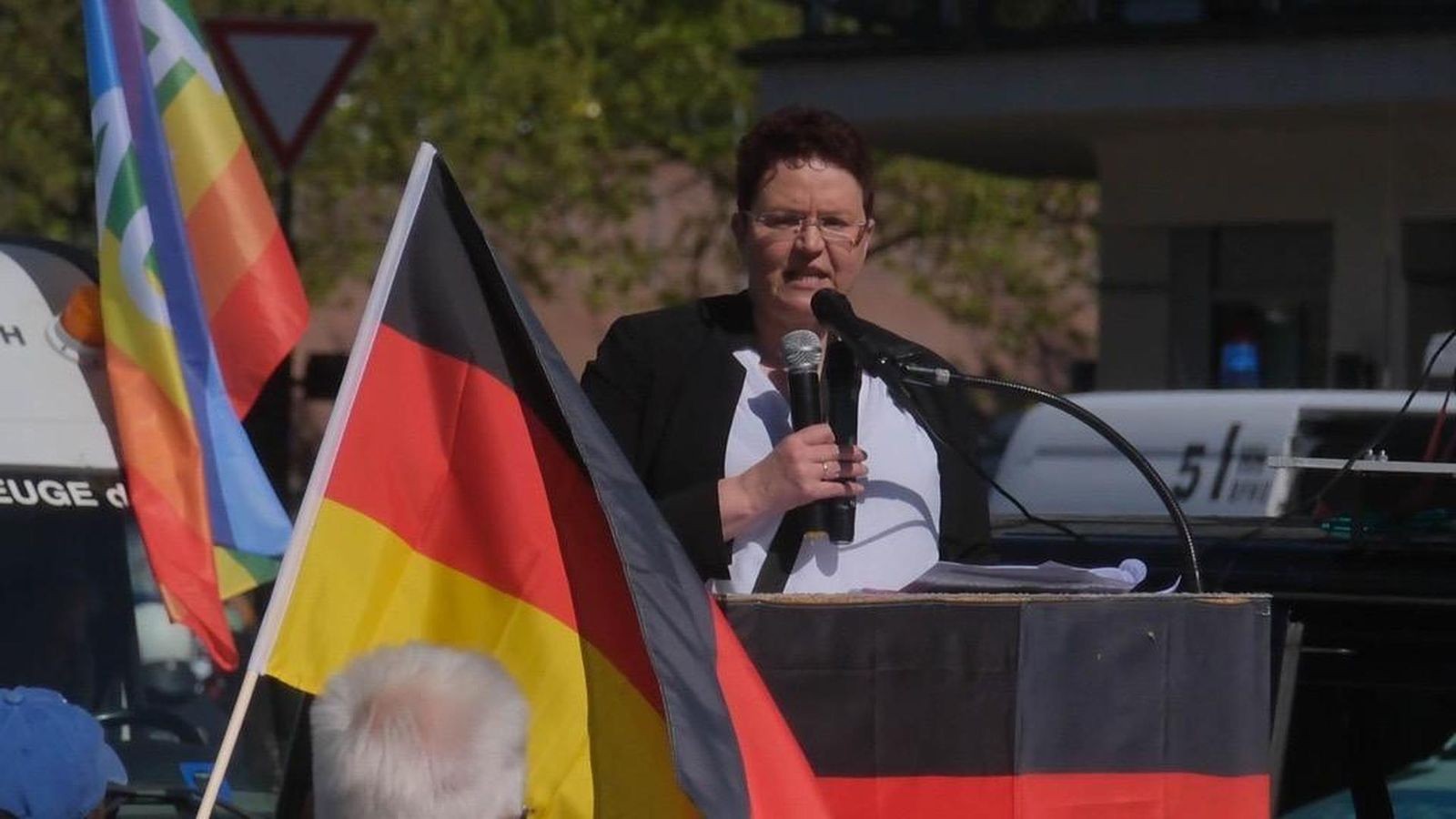
The Alternative for Germany (AfD) party’s recent demonstration in Hamburg was anticipated to be a significant event; however, the results fell short of expectations. The gathering, which aimed to mobilize supporters and raise awareness for their agenda, ultimately turned out to be a major disappointment, both in terms of attendance and media coverage.
Context of the Demonstration
The AfD, known for its controversial stances on immigration and national identity, called for the demonstration against what they termed the "failed policies" of the current government. Organizers had hoped to rally a crowd that would surpass previous events, capitalizing on ongoing national debates regarding immigration and integration. However, this demonstration highlighted the challenges the party continues to face in gaining traction, particularly in urban areas like Hamburg.
Expected Versus Actual Attendance
Initial estimates projected thousands of demonstrators. Instead, only a fraction of that number showed up. Reports vary, but some sources estimate that attendance was down by over 50% compared to similar events in past years. Critics have pointed to various factors contributing to this low turnout, including poor weather conditions, competing events, and a general sentiment of disinterest in the party’s rhetoric.
Reactions from the Public and Media
Media coverage of the event has been largely critical. Outlets have described the demonstration as a flop, focusing on the stark contrast between the expected and actual turnout. Reports from Hamburger Abendblatt and MOPO reflect a widespread perception that the party’s influence may be waning. Many citizens remain skeptical about the AfD’s message, viewing it as outdated and misaligned with contemporary societal values.
In addition to low attendance, there were reports of counter-demonstrations by leftist groups. These counter-protests highlighted the ongoing tensions in German society regarding the AfD and their wider acceptance. Demonstrators opposing the AfD often carried banners advocating for inclusivity and diversity, further illustrating the divide in public opinion regarding these important issues.
Traffic Disruptions in Hamburg
The demonstration also had repercussions beyond the immediate sphere of the AfD and its supporters. Local authorities warned of significant traffic disruptions throughout the city. As reported by Tagesschau.de, public transportation was affected, with updates advising residents to avoid certain areas due to congestion and delays.
These disruptions prompted frustration among everyday commuters who found themselves caught in the crossfire of political unrest. The local government had to deploy additional traffic management resources to mitigate the impact on public transport and to ensure pedestrian safety.
The Broader Implications
The disappointing outcome for the AfD in Hamburg may suggest broader challenges for the party at a national level. As Germany prepares for upcoming elections, the prevailing political climate appears to be evolving. More moderate voices within the political spectrum are gaining prominence, raising questions about the future of populist movements like the AfD.
Polls indicate increasing support for mainstream parties, particularly social democratic and green parties that promote policies of inclusiveness and equality. As local and national dynamics shift, the AfD may need to reassess its strategies if it hopes to rally support and reverse its current trajectory.
Conclusion
The AfD demonstration in Hamburg has served as a vital indicator of the party’s declining influence. The unexpected turnout and the critical reception in media outlets highlight a growing divide in German society regarding political ideologies. With uncertainty looming over Germany’s future political landscape, it remains to be seen how the AfD will adapt in response to these challenges. As civic advocacy movements continue to flourish, political dialogues surrounding immigration, identity, and societal values will undoubtedly remain at the forefront of public discourse.