

Adidas Faces Backlash Over Cultural Appropriation Claims
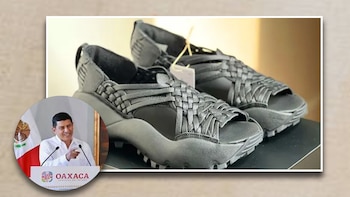
The recent controversy surrounding the model “Oaxaca Slip On” from Adidas has ignited a significant public discourse about cultural appropriation and the respect due to the artisanal traditions of Mexico. The sportswear giant publicly issued apologies on August 11 for the alleged plagiarism of indigenous designs, as reported by The Universal, which cited statements from the AP agency.
The uproar began when Adidas launched its style, claiming inspiration from the traditional Huaraches of Villa Hidalgo Yalalag, a Zapotec community in the Sierra Norte de Oaxaca. This design closely resembles the footwear fashioned by artisans in Michoacán, which is created for various indigenous communities.
Artisans, local authorities, and different social sectors have voiced concerns that Adidas‘ design appropriates cultural forms rooted in ancestral knowledge without appropriate consent or recognition. The situation escalated to the point where Claudia Sheinbaum, the president of Mexico City, condemned the cultural appropriation and underscored the necessity to acknowledge the collective intellectual property of indigenous peoples.
Public Response and Corporate Accountability
In light of the mounting public and political pressure, Adidas opted to communicate through an official email directed to the AP agency. In the correspondence dated August 7, the brand expressed its intent to engage in dialogue and address the grievances of the affected communities. The company conveyed a commitment to honoring the cultural legacies of the Zapotec and pledged to collaborate honestly with Villa Hidalgo Yalalag to rectify any harm caused.
This correspondence addressed to Solomon Jara Cruz, the governor of Oaxaca, included an explicit recognition of the value encapsulated in Mexican artisanal heritage and the vast richness of indigenous expressions.
As the dialogue continues, the controversy poses significant questions about the ethical responsibilities of corporations, particularly regarding their engagement with cultural heritage and the potential ramifications of intellectual property theft. Many have raised concerns about the broader implications of such actions on indigenous craftsmanship, suggesting that it undermines the labor and creativity of local artisans while enriching global brands.
The cultural landscape in Oaxaca is not just a backdrop for tourism; it embodies the identity and traditions of its people. As Adidas navigates through this controversy, it remains to be seen how the company will align its business practices with the values of ethical responsibility and respect for indigenous cultures.