
Morocco’s Upcoming Match Against Zambia: A Strategic Approach
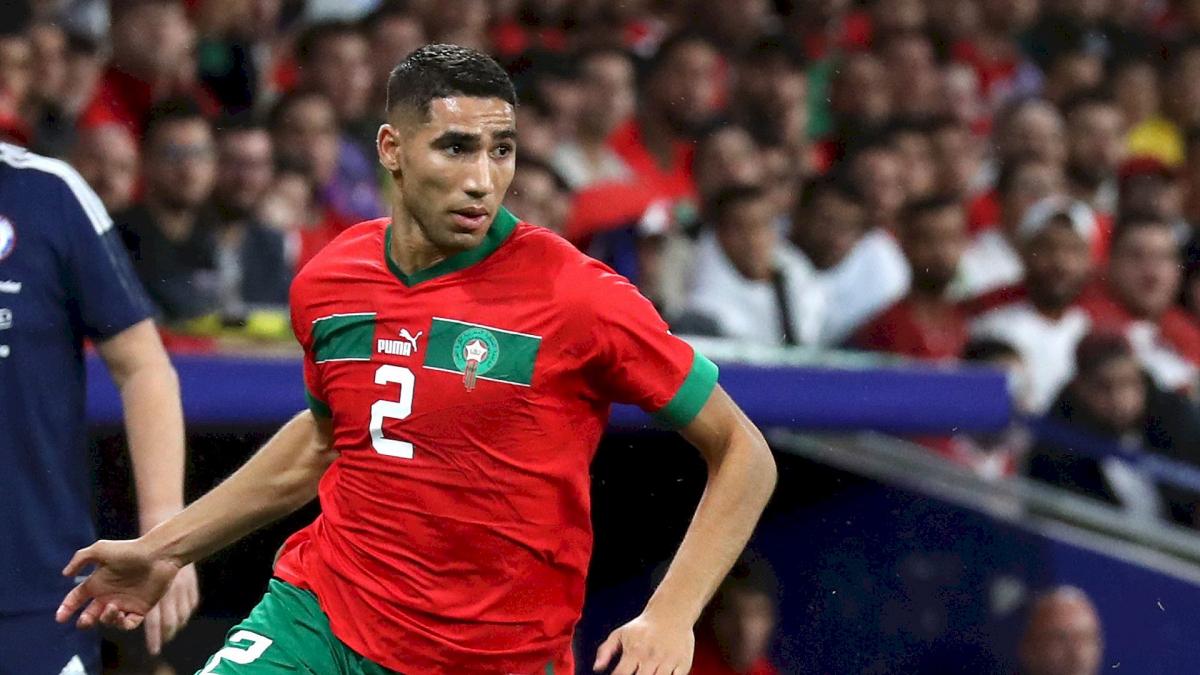
Morocco’s national football team finds itself in a favorable position as they prepare for their upcoming match against Zambia. Having already secured qualification for the 2026 World Cup, the Moroccan side is now evaluating its strategy for upcoming games. Key players, including Achraf Hakimi, may be rested during the match on Monday, a decision aimed at prioritizing their overall health and performance for the upcoming global tournament.
The decision to rest Hakimi and possibly other influential players has been a topic of discussion among the coaching staff. As reported by RMC Sport, the Paris Saint-Germain defender could indeed be given some time off to recuperate. While the intention is to allow these stars to rest, there remains the option of introducing them briefly towards the match’s conclusion, depending on the game’s progression and requirements.
Injury Concerns for Paris Saint-Germain
The ongoing concern about player fitness has intensified following recent injuries to Désiré Doué and Ousmane Dembélé during their respective game with the French national team against Ukraine, which France won 2-0. Doué faces a recovery period of at least one month, while Dembélé’s injury could sideline him for up to six weeks. This latest development has raised eyebrows at PSG, particularly given Dembélé’s status as a serious contender for the Ballon d’Or award.
With the UEFA Champions League and Ligue 1 in full swing, injury management is becoming increasingly critical for clubs juggling domestic and international commitments. For Moroccan fans, the health of their stars is paramount, as they look forward to the exploits of their national team on the world stage.
Strategic Resting and Future Implications
Resting key players like Hakimi demonstrates Morocco’s strategic foresight. By managing player workload effectively, the coaching staff hopes to avoid injuries that could derail their World Cup ambitions. With world-class talents in their ranks, maintaining peak fitness levels will be crucial during their campaign in 2026.
Hakimi’s importance to both Morocco and PSG cannot be understated. His attacking prowess and defensive skills make him an essential player in any match-up. By allowing him to rest now, Morocco can ensure that he will be in top form for future competitions, especially with the World Cup on the horizon.
Additionally, the process of rotation not only preserves the fitness of seasoned veterans but also offers opportunities for younger players to showcase their talents. Matches like these are essential for building a deeper squad capable of handling intense international fixtures.
The Zambian Challenge
Morocco’s encounter with Zambia will be more than just a friendly match; it serves as an important test of the team’s squad depth and adaptability. Zambia, known for its hungry and competitive spirit, will undoubtedly put up a good fight. Their experience in African football makes them a formidable opponent, despite Morocco’s superior pedigree on the international stage.
It’s crucial for Morocco to not underestimate the Zambian side. Matches between African nations often bring intense competition, and players on both sides will be eager to impress their coaches ahead of future fixtures. For Morocco, this match is a chance not only to maintain form but also to assess the potential capabilities of up-and-coming talents in less pressure-filled conditions.
The Bigger Picture
While Morocco plans its tactics for Zambia, the backdrop of international football is evolving. The qualification for the 2026 World Cup marks a significant milestone for Moroccan football and African representation in global tournaments. The team’s performance will be closely monitored, both by fans and sports analysts keen to see how they match up against traditional powerhouses.
As the tournament approaches, Moroccans and fans all over the world will have their eyes set on their stars as they navigate the complexities of international competition. The success of the national team could ignite a renewed passion for football across the nation, encouraging a new generation of players to aspire at both local and international levels.
In conclusion, Morocco’s strategic decisions regarding player rest and rotation will be essential not just for Zambia but also for the overarching mission of performing well in the World Cup. How the team manages player fitness and develops young talent will determine its competitive edge in the upcoming international fixtures. Fans eagerly await the continuing saga of their national heroes as they prepare to face new challenges ahead.