
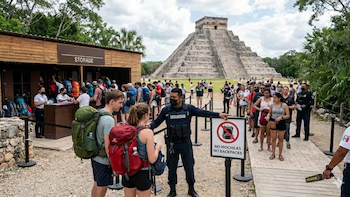
Backpack Ban at Chichén Itzá: A Response to Security Concerns
New Security Measures Implemented
In light of recent security incidents, cultural authorities have implemented a crucial new policy at the archaeological zone of Chichén Itzá: access with backpacks is now prohibited for all visitors. This decision follows heightened scrutiny of safety protocols across popular tourist sites in Mexico, particularly after a shooting incident at Teotihuacán that raised alarm among tourists and locals alike.
Context of the Backpack Restriction
The ban is part of a broader effort to enhance security at cultural heritage sites in Mexico. Following the tragic events at the Pyramid of the Moon in Teotihuacán, where an armed attack led to panic and injury among visitors, authorities are taking proactive measures to prevent similar occurrences. This decision, aimed at instilling peace of mind among visitors, underscores the serious nature of recent events affecting tourist safety.
Details of the Prohibition
According to an official statement from the National Institute of Anthropology and History (INAH) and the Board of Trustees of Cultural and Tourist Services Units of the State of Yucatán, the ban on backpacks includes all types of bags without exception. Visitors are now required to leave their backpacks at home or in their accommodations.
Recommendations for Tourists
To facilitate a smoother experience, authorities are advising tourists on new guidelines:
- Carry only essential personal items: Avoid bringing unnecessary items that can clutter your visit.
- Opt for smaller bags or alternatives: Choose compact items to make your visit more manageable.
- Plan your visit in advance: Be aware of the new regulations to avoid inconveniences upon arrival.
These measures aim to streamline access and ensure a safer environment for both national and international travelers.
Safety Protocols Under Review
While the announcement did not directly reference the Teotihuacán incident, the urgency of the backpack ban is part of a larger reassessment of security protocols across various archaeological zones. In the immediate aftermath of the attack, Teotihuacán was temporarily closed as investigations took place. However, it has since reopened, albeit with enduring restrictions, particularly around areas deemed high-risk.
Conclusion: Striving for a Safer Cultural Experience
The implementation of the backpack ban at Chichén Itzá signifies a shift in how cultural authorities prioritize visitor safety while preserving the integrity of archaeological sites. By making these changes, they aim not only to enhance security but also to enrich the overall experience of exploring one of Mexico’s most treasured historical locations. This proactive approach is essential in maintaining the confidence of tourists who travel far and wide to witness the wonders that Chichén Itzá and similar sites have to offer.