
The Allegations Surrounding Tragsatec and Jésica Rodríguez
In recent revelations from the Senate, Virginia Barbancho Domínguez, the former technical head of the Tragsatec project, has opened a can of worms regarding Jésica Rodríguez, the ex-partner of former Minister José Luis Ábalos. Her testimony indicates that she witnessed a series of irregularities that call into question the integrity of the project and its stakeholders.
The Allegations of Irregularities
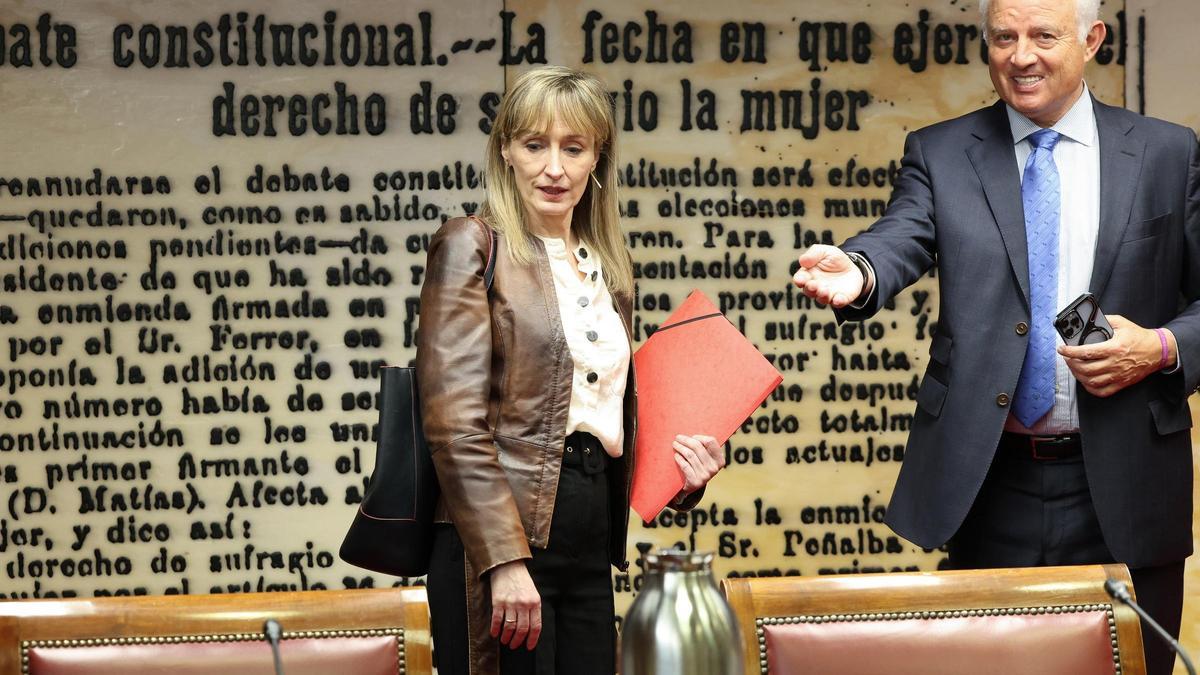
Barbancho’s statements were made during an investigative commission in the Senate focused on the so-called Koldo case, a multi-faceted scandal rife with potential corruption. She specifically noted that she detected multiple irregularities associated with Rodríguez’s involvement in the project. In her testimony, Barbancho claimed that she had been instructed by officials from Adif, a crucial client of the project, to turn a blind eye to these discrepancies. This instruction raises crucial questions about accountability and transparency within governmental and corporate partnerships.
The Pressure to Remain Silent
During her appearance, Barbancho insisted, “Me mandaron callar” ("They told me to be quiet"), highlighting the immense pressure she faced to suppress her findings. Her declaration not only underscores a possible cover-up scenario but also poses serious implications for those in positions of power who may be attempting to manipulate the outcomes of such investigations for personal or political gain.
The Uncertainty Regarding Jésica Rodríguez
While Barbancho was vague about her certainty regarding whether Jésica Rodríguez was actively working on the project, she was unequivocal in asserting that Rodríguez was not officially clocking in. She mentioned having various “elements” that raised her suspicions, yet said she was unable to fully verify the extent of Rodríguez’s involvement. Despite this, Barbancho disclosed her concerns to her hierarchical superior, signaling a commitment to integrity despite facing potential retaliation.
Distancing from the Hiring Process
Importantly, Barbancho distanced herself from the hiring process of Jésica Rodríguez, suggesting that she had no direct involvement in her recruitment. However, she relayed an unsettling detail: once Rodríguez was on board, someone informed her that Rodríguez had connections to the then-Minister of Transport, José Luis Ábalos. This intersection of political and professional relationships complicates the narrative further, casting shadows of doubt on the meritocratic nature of recruitment within public projects.
The Implementation of a Time-Tracking System
In light of her suspicions concerning Rodríguez’s attendance, Barbancho implemented a time-tracking system to ascertain the legitimacy of the claims made against Rodríguez. However, as she pointed out, Rodríguez began to circumvent this system shortly after its installation. This defiance raises significant alarms regarding compliance and the effectiveness of oversight mechanisms that aim to ensure personnel accountability.
The Dilemma of Ignoring Irregularities
Barbancho’s insistence on enforcing accountability through the time-tracking system further emphasizes the ethical dilemma she faced. When confronted about Rodríguez’s evasive actions, she stated that she received instructions to once again “hacer la vista gorda” ("look the other way"). This belief that she could be compelled to ignore blatant misconduct paints a troubling picture of the working conditions and regulations governing public project employees.
The Broader Implications
The unfolding of this scandal not only puts Tragsatec under scrutiny but also raises broader questions about integrity in public service. The Koldo case highlights systemic issues within governmental organizations, particularly concerning how those in positions of power can manipulate processes for personal agendas. These allegations draw attention to the urgent need for reforms in oversight, regulatory compliance, and ethical training for public servants and employees of private contractors involved in public projects.
Addressing Governance and Accountability
Moving forward, it is imperative for public institutions and their affiliates like Tragsatec to re-evaluate their governance structures. Establishing robust mechanisms that allow for the reporting of irregularities without fear of reprisal must be prioritized. Moreover, promoting a culture of transparency and accountability will be essential in restoring public trust in government operations.
It is evident that Barbancho’s revelations touch on critical themes in the realm of public administration and management. The testimonies shed light on the complex interplay between politics and public service, revealing how insider relationships can derail integrity and ethical practices.
The Path Ahead for Tragsatec
As investigations into the Koldo case proceed, all eyes will certainly be on Tragsatec and its stakeholders. Should these allegations hold merit, not only will there be legal repercussions for those involved, but there may also be a call for comprehensive reforms in how projects are managed and overseen by public officials. This is a pivotal moment for governance and accountability in Spain, calling for vigilance and proactive reforms that ensure justice and reliability in public administrations.
In conclusion, the unfolding narrative surrounding Virginia Barbancho, Jésica Rodríguez, and the broader implications of the Koldo case offers a potent reminder of the necessity for transparency and accountability in public projects. As this case develops, the focus on ethical governance will be critical in shaping the future of public service in Spain.