
The History of Brian O’Kelley is truly remarkable, particularly in a landscape where most tech magnates hoard their wealth. In 2018, O’Kelley made headlines when he sold his company, Appnexus, for a staggering $1.6 billion. However, what sets him apart from his peers is his decision to keep a small fraction of that fortune, donating the rest to charitable causes.
O’Kelley’s choice has sparked conversations about the ethical implications of wealth, particularly within an era where many entrepreneurs are grappling with their responsibilities toward society. As reported by Fortune, this decision is resonating with many business leaders who choose to focus on social impact rather than mere financial accumulation.
His Vision of Ethical Wealth
When Brian O’Kelley sold Appnexus to AT&T, he didn’t plan on an extravagant retirement. Instead, he and his wife engaged in what he called a “really interesting conversation” about how much money they truly needed to live a comfortable life.
“We simply calculated an amount that we considered enough to buy a house and live comfortably, then doubled it and gave the rest away,” O’Kelley shared with Fortune. The couple landed on $100 million, a mere 10% of O’Kelley’s stake in the company post-acquisition. The remaining $1.5 billion was allocated to various charitable initiatives and social projects that are aimed at improving lives in meaningful ways.
O’Kelley is vocal about his beliefs surrounding wealth accumulation: “I don’t believe in billionaires. I think it’s simply ridiculous.” He emphasizes the importance of staying grounded and limiting personal wealth to ensure responsible decision-making.
“We never wanted to have so much money that we didn’t have to make decisions. We live an incredible life, we can do almost everything we want, but we cannot do everything we want. We have to talk about our budget like anyone else,” O’Kelley remarked.
O’Kelley isn’t alone in advocating for ethical approaches to wealth distribution. He joins the ranks of other millionaires, calling for higher taxes on the ultra-wealthy. He challenges the notion of needing billions for personal satisfaction, stressing the joy found in appreciating what one has and making thoughtful choices.
Millionaires Who Do Not Want to Leave Inheritance
Unsurprisingly, O’Kelley doesn’t plan on passing down inherited wealth to his children without instilling a sense of value in hard work. “I feel bad because my children can fly in Business class,” he says, noting that he prefers to fly economy to teach them resilience. “I don’t want to spoil my children. I want them to understand the struggles that come with achievement.”
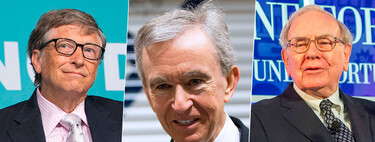
This mindset echoes that of other notable figures such as Bill Gates and Warren Buffett, who also plan to allocate the majority of their wealth to philanthropy rather than inheritance. Gates famously stated that only 1% of his fortune would be left for his children, reinforcing the value of hard work and effort as pivotal life lessons.
O’Kelley is quite critical of ostentatious lifestyles and emphasizes the absurdity of extreme wealth. He argues, “You cannot have a yacht, a helicopter, an island, and a large building with your name. It is a waste of incredibly ridiculous money in a world where so many struggle.”
For him, it’s essential to remain connected to reality , adhering to limits that promote a responsible lifestyle. “There is something vital about staying connected to normalcy. I don’t want to act without consequences. That’s the real risk—how can anyone act responsibly when they possess so much money that they can essentially buy anything?”
Ultimately, Brian O’Kelley’s choices stand as a significant call to rethink wealth and responsibility. His life reflects a growing trend among millionaires who prioritize social responsibility over sheer wealth accumulation, setting an example that can inspire others to focus on making impactful contributions to society.