
Liquid Biopsy: A Promising Tool in the Fight Against Cancer
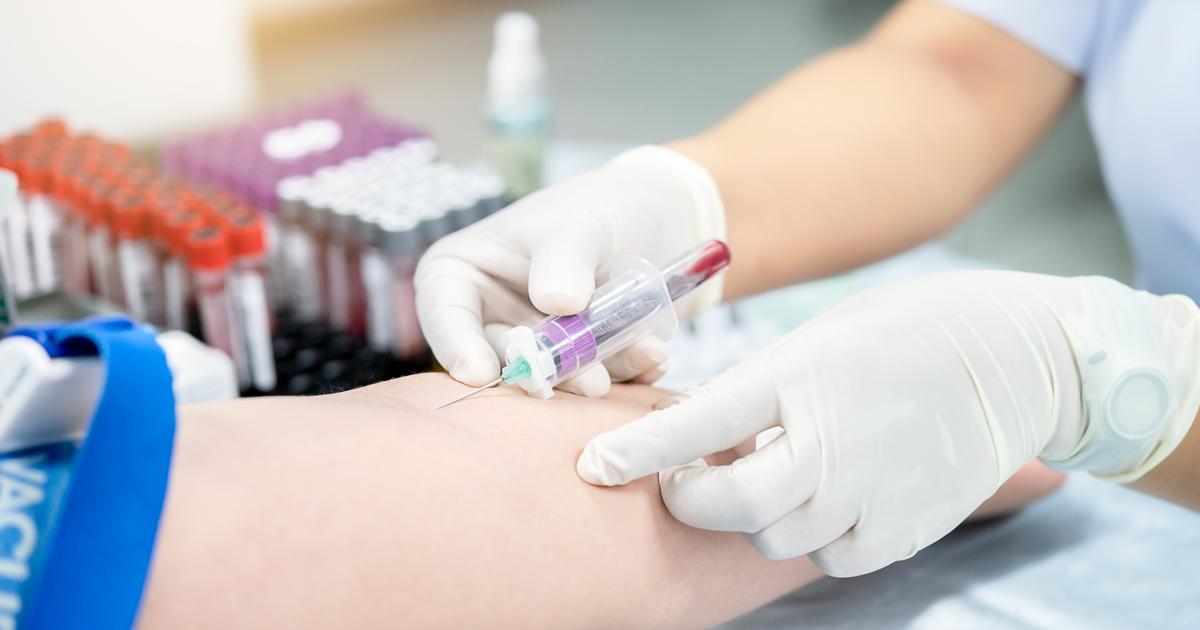
The liquid biopsy, a technique that detects traces of tumors in the blood, is gradually proving its potential. This minimally invasive method promises to detect recurrences of cancer at a much earlier stage than traditional imaging techniques. Recent advancements indicate that a simple blood test could help identify and treat cancer recurrences before they become visible through medical imaging.
Recent findings shared at the American Society of Clinical Oncology (ASCO) conference in Chicago showcased significant results achieved by a team from the Curie Institute in Paris. This breakthrough could not only impact breast cancer treatments but might also be extended to other cancer types, fundamentally changing the post-treatment monitoring process for patients. The clinical study, known as Umbrella, is currently being conducted at Gustave Roussy Institute in Villejuif.
Conventional Monitoring: A Burden for Patients
When a tumor is diagnosed, it typically undergoes treatment through surgery, often complemented by radiotherapy or chemotherapy. Post-treatment, patients are subjected to rigorous monitoring over several years, utilizing scans and MRIs at regular intervals to check for possible recurrences. This traditional approach relies heavily on visual confirmation, which can sometimes delay necessary interventions.
For patients, this constant surveillance can be mentally and physically taxing. They often endure anxiety and uncertainty while waiting for test results, which can add to the stress of having previously faced a cancer diagnosis. Furthermore, once the cancer has returned, treatment options may become limited or more aggressive.
The Evolution of Cancer Monitoring
Liquid biopsy stands out as a revolutionary alternative to traditional approaches. By analyzing the circulating tumor DNA (ctDNA) present in a person’s bloodstream, liquid biopsies can offer insights into tumor dynamics without the need for invasive procedures. For example, when a tumor breaks apart, it releases DNA fragments into the blood, which can be identified and analyzed.
This technique allows for real-time monitoring of tumors, meaning healthcare providers can detect recurrences almost immediately. Early detection often translates to a more effective and less aggressive treatment course, ultimately improving patient outcomes significantly.
Clinical Trials and Future Perspectives
The potential capabilities of liquid biopsies were highlighted during the ASCO conference, where discussions centered around a study that utilized liquid biopsies to identify recurrences in breast cancer patients. The researchers concluded that they could pinpoint the return of cancer several months before traditional imaging methods would typically detect it.
As the field continues to evolve, more clinical trials are being initiated worldwide. These trials are focusing on various types of cancers, with the Umbrella study being one such example, which aims to create a broader understanding of the implications of liquid biomarker testing across cancer types.
Integration into Routine Care
While liquid biopsies are not yet standard practice, the medical community is increasingly recognizing their significance. As research continues to validate their efficacy, liquid biopsies could soon be integrated into regular cancer care protocols. This change would signify a shift towards more personalized medicine focused on real-time monitoring rather than reactive strategies.
Continued advancements could lead these tests to become routine for individuals battling various cancer types, revolutionizing not only detection and treatment but also improving the overall quality of life for cancer patients.
In conclusion, liquid biopsy technology is set to redefine the landscape of cancer diagnostics and monitoring. It holds the promise of earlier detection, improved patient outcomes, and reduced psychological burdens associated with traditional cancer surveillance. While there is still much work to be done, the future of cancer care appears brighter with the innovation that liquid biopsies bring to the table.
La biopsie liquide, qui recherche des traces de la tumeur dans le sang, fait progressivement ses preuves. Cette technique peu invasive promet de détecter très précocement les rechutes.