
The Historic Transfer of the Chagos Islands
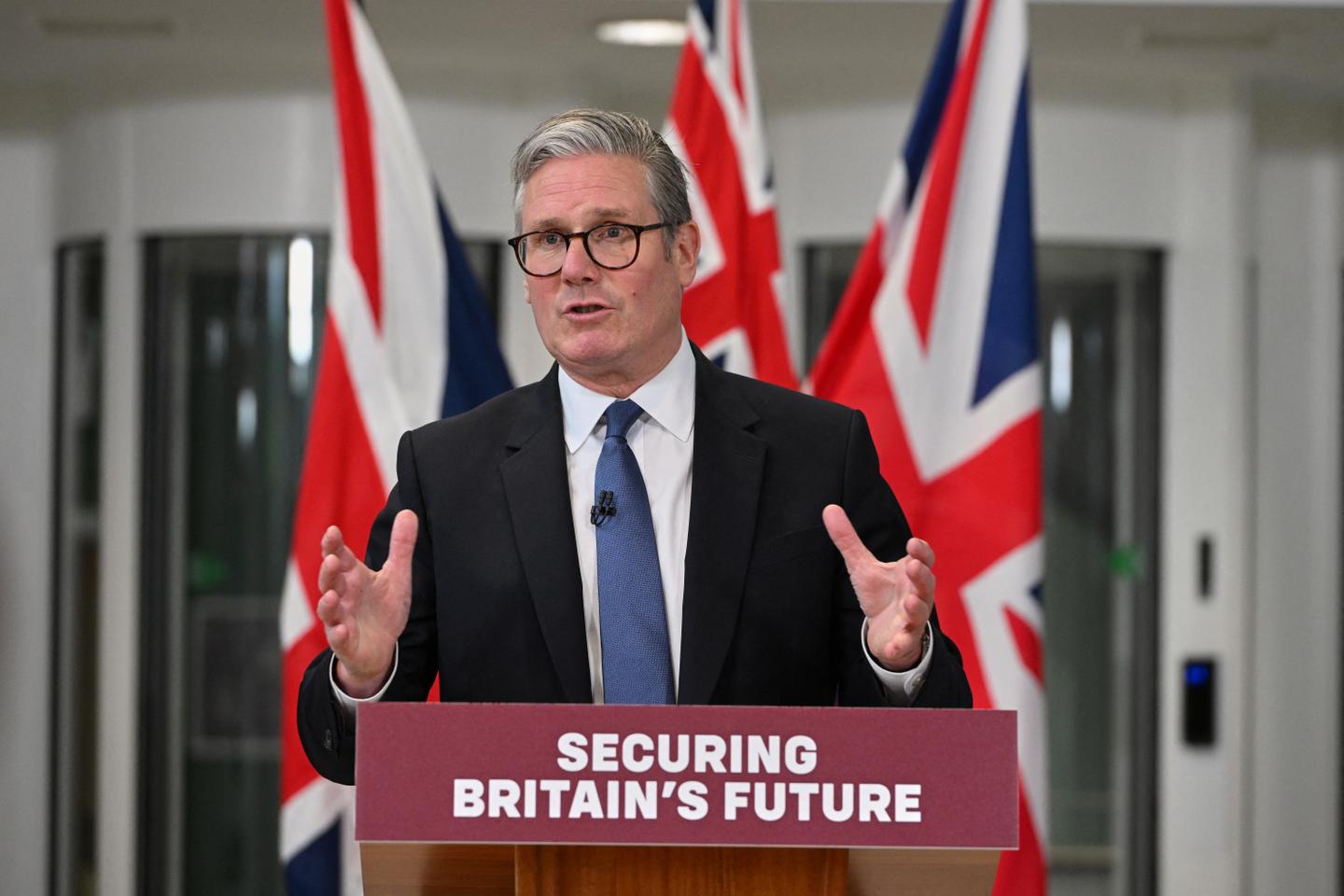
The United Kingdom officially ended one of the last binding ties of the British Empire: the Chagos Islands archipelago. Prime Minister Keir Starmer announced on Thursday, May 22 , that he had signed the transfer of this overseas territory to the Republic of Mauritius . The archipelago consists of a collection of paradise atolls stretching in the middle of the Indian Ocean . However, London insisted on maintaining its presence for ninety-nine years on the largest atoll, Diego Garcia , which has housed an important American military base since the 1960s.
This emphyteutic lease , valued at 101 million sterling pounds (approximately 120 million euros ) per year, is crucial for the UK. Keir Starmer described maintaining a presence at Diego Garcia as having “vital importance” for the safety of both the United Kingdom and its allies. He stated during the press conference, “My decision was based on our national security, which is the first duty of a Prime Minister.”
Diego Garcia features an airport equipped to host bombers and supply planes, a deep water port, and extensive surveillance facilities . This atoll serves as a logistics hub, enabling British and American forces to secure navigation through the Red Sea and facilitate military projects throughout Africa and South Asia .
The Implications of the Transfer
The transfer of sovereignty over the Chagos Islands represents a significant moment in post-colonial history. Mauritius , having long fought for the return of these islands, views this transfer as a culmination of its struggle against colonial holding. The territory is not just strategically vital; it is also symbolic of wider themes of self-determination and decolonization .
For local communities, particularly the *Chagossians * who were displaced in the 1960s, the agreement provides a glimmer of hope. Attempts to resettle Chagossians have faced numerous obstacles, but this transfer opens the door for potential negotiations regarding their future and rights to return to their homeland.
This deal is also likely to shape diplomatic ties in the Indian Ocean region. As countries compete for influence, the UK and Mauritius must navigate their relationships with other global powers, particularly in light of America’s strategic interests in Diego Garcia. There is potential for cooperation and conflict, contingent on how each country approaches its global responsibilities.
International Reactions
Immediately after the announcement, international reactions varied. Environmentalists have raised concerns about the ecological implications of increasing military presence in the area, warning that sensitive marine ecosystems could be threatened. Local communities and activists are calling for sustainable practices that honor the rich biodiversity of the Chagos archipelago.
Additionally, some human rights organizations argue that the rights of the Chagossians must be prioritized. The transfer of sovereignty should involve guarantees for their ability to return and participate in decision-making regarding the islands.
On the geopolitical front, the agreement was met with skepticism from various political analysts , who worry that the continued British military presence could escalate tensions with other powers in the Indian Ocean region. It is essential for the UK to tread carefully, ensuring that its military strategies do not compromise long-standing relationships or ignite new conflicts.
Looking Ahead
As the transfer takes effect, both the UK and Mauritius face crucial challenges and opportunities. Negotiations regarding the terms of the lease at Diego Garcia will undoubtedly continue, with both nations needing to balance national security interests with international humanitarian concerns . Careful attention must be paid to the history of Chagossians and the ecological implications of ongoing military operations.
Moreover, how the global community responds to this development will set precedents for future post-colonial transitions. The way forward will require sensitivity, cooperation, and a genuine commitment to respecting the rights of individuals and the environment.