
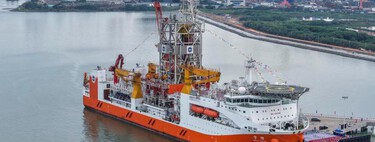
Electrification of Maritime Transport: The Rise of Electric Ferries
The world is currently journeying into the exciting realm of transport electrification . While we see electric cars making their way on roads, the maritime industry is also embracing this change, particularly through ferries . Many countries are now showcasing their electric vessels, and recently, Finland unveiled the world’s largest electric ferry, known as Helios .
Helios: A Colossus on the Water
Helios is a groundbreaking innovation in maritime electrification. The conversion to electric ferries isn’t a recent phenomenon; it began more than ten years ago, with steady advancements transforming these vessels. Ferries often operate short, regular routes between two ports, accumulating thousands of kilometers annually. According to estimates, electrifying ferries measuring 50 meters in length to service routes of up to 100 kilometers could save as much as 50% on fossil fuel consumption in this segment.
Viking Line: Leading the Charge
Viking Line is a Finnish shipping company operating a fleet of ferries among the islands of Finland , Sweden , and Estonia . Their vessels are a blend of cruise ships and ferries, characterized by their enormous size and significant cargo capacity. While they already feature traditional cruise options, their upcoming 100% electric ferry, Helios , boasts formidable dimensions.
Size Matters
The MS Viking Cinderella is currently the largest ferry in Viking Line’s fleet, an impressive 191 meters long with capacity for 2,560 passengers and 480 vehicles . Helios is set to surpass its predecessor in nearly all aspects. It will measure 195 meters in length and 30 meters in width, accommodating 2,000 passengers while also having room for 650 cars .
In comparison, the China Zorrilla measures 130 meters long, 32 meters wide, and can carry 2,100 passengers with space for 225 vehicles .
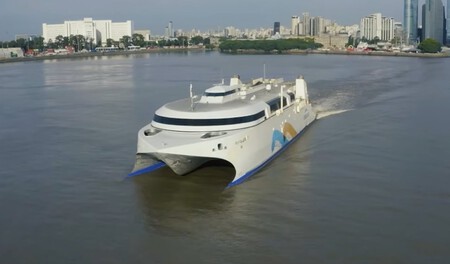
El China Zorrilla
Green Corridor: The Future of Travel
To propel such a mammoth vessel, Viking Line plans to equip Helios with batteries that will hold a capacity of between 85 and 100 MWh , which is more than double the 40 MWh capacity of the China Zorrilla. The ferry will operate between the capitals of Finland and Estonia , completing the journey in approximately two hours.
With its battery capacity, Helios will be able to traverse the distance between Helsinki and Tallinn at a speed of 42 kilometers per hour (23 knots) — comparable to the speeds of other ferries in the fleet. The 80-kilometer trip can be accomplished on a single charge, a critical factor for successful maritime electrification. Each port will be equipped with the infrastructure to supply 30 MWh during docking.
What Lies Ahead for Maritime Electrification?
Although we discuss the future in exciting tones, the Helios project is still a few years away from reality. Viking Line anticipates that Helios and the accompanying charging infrastructure will be operational by 2030 . It will be intriguing to see if other companies introduce even larger electric vessels before that time.
Several nations are showing keen interest in transitioning to electric maritime transport, thanks to advancements in battery technology. Closer to home, Spain introduced the Cap de Barbaria , a ferry connecting Ibiza with Formentera . This vessel was a pioneer in electric technology, though it lacks the impressive specifications of larger new models, featuring only a 1 MWh battery. However, Balearia is developing two twin ferries with 39 MWh batteries for the route between Tarifa and Tangier .
At Viking Line, there is a strong conviction that these electric ferries represent a significant advancement akin to historical shifts brought on by sails, steam power, and motorized vessels. While the focus currently is on ferries, the potential exists for solid-state batteries to revolutionize larger vessels, including cruise ships and cargo carriers, in the future.
As the shipping industry continues to pivot towards sustainability, electric ferries like Helios stand as examples of how innovation can lead to a cleaner, greener future for maritime transport. The journey towards electrification is just beginning, paving the way for a world where the waters thrive with ecological solutions.