
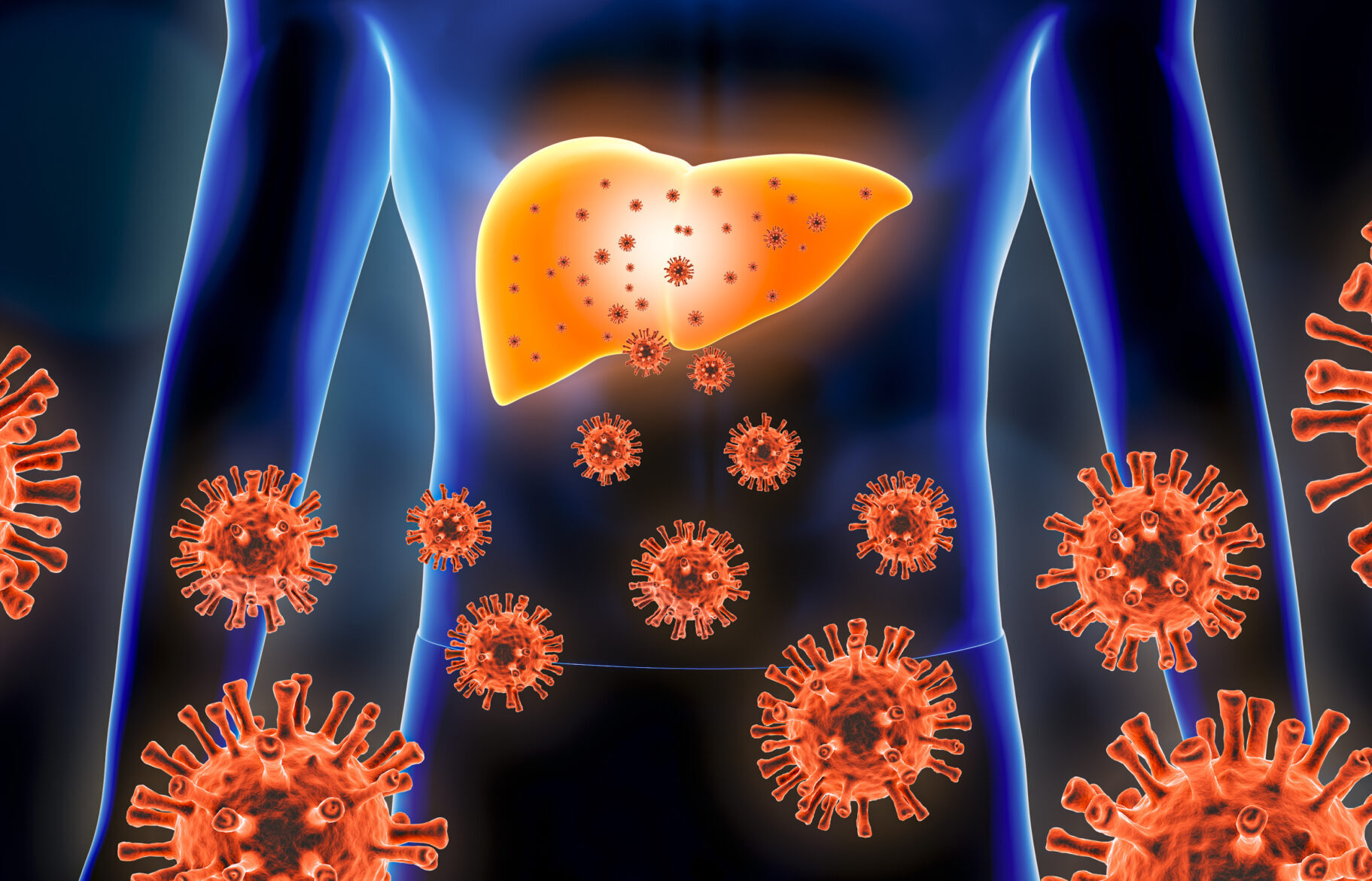
Evaluating the risk for each patient to develop liver cancer remains a significant challenge today. In France, researchers have recently developed a predictive score that integrates hepatitis B as a major risk factor for this type of cancer.
Creating a More Easily Calculable Score
According to a 2022 publication from the United Nations, over 900,000 individuals were newly diagnosed with liver cancer worldwide that year. Furthermore, over 830,000 patients lost their lives due to this disease. The number of new cases (and deaths) is expected to increase by more than 55% by 2040. The common origin of this infectious disease, specifically its most prevalent form—hepatocellular carcinoma—is none other than the hepatitis B virus (HBV).
Anticipating such complications and organizing appropriate monitoring is possible. However, identifying the patients most at risk remains a daunting task. More than thirty already existing predictive scores aim to help evaluate the likelihood that a patient will or will not develop the disease, taking hepatitis B as a significant factor. However, most of these scores rely on biological data requiring complex analyses, such as searching for a genetic mutation or measuring a specific blood marker.
In France, the National Institute of Health and Medical Research (INSERM) led a study that was published in the journal Liver International on March 15, 2025. The objective? To design a score calculated from data available in the standard follow-up of patients with chronic hepatitis B.
For Early Risk Assessment
For their study needs, experts used data from the French cohort ANRS CO22 Hepather (2012), aimed at evaluating the effectiveness of new treatments against viral hepatitis. While the cohort included approximately 20,000 individuals, INSERM researchers incorporated data from 4,370 patients affected by either hepatitis B and/or C. Notably, 56 of these patients developed liver cancer during the eight years of follow-up in the cohort.
Two scores emerged from this research: Adaptt and Sadaptt. The latter is essentially an improved version of the former. It includes six common factors: the patient’s age, co-infection with the Delta hepatitis virus (HDV), high-risk alcohol consumption, low platelet count, smoking level, and the presence of anti-HBV treatment. The Sadaptt version adds a seventh factor: the daily consumption of sodas.
According to the leaders of this research, this new score should finally allow for a premature risk assessment for liver cancer in every patient with chronic hepatitis B. The next step involves developing tailored follow-ups and care, which may include specific recommendations such as reducing or ceasing smoking, alcohol, or sugary beverage consumption.