
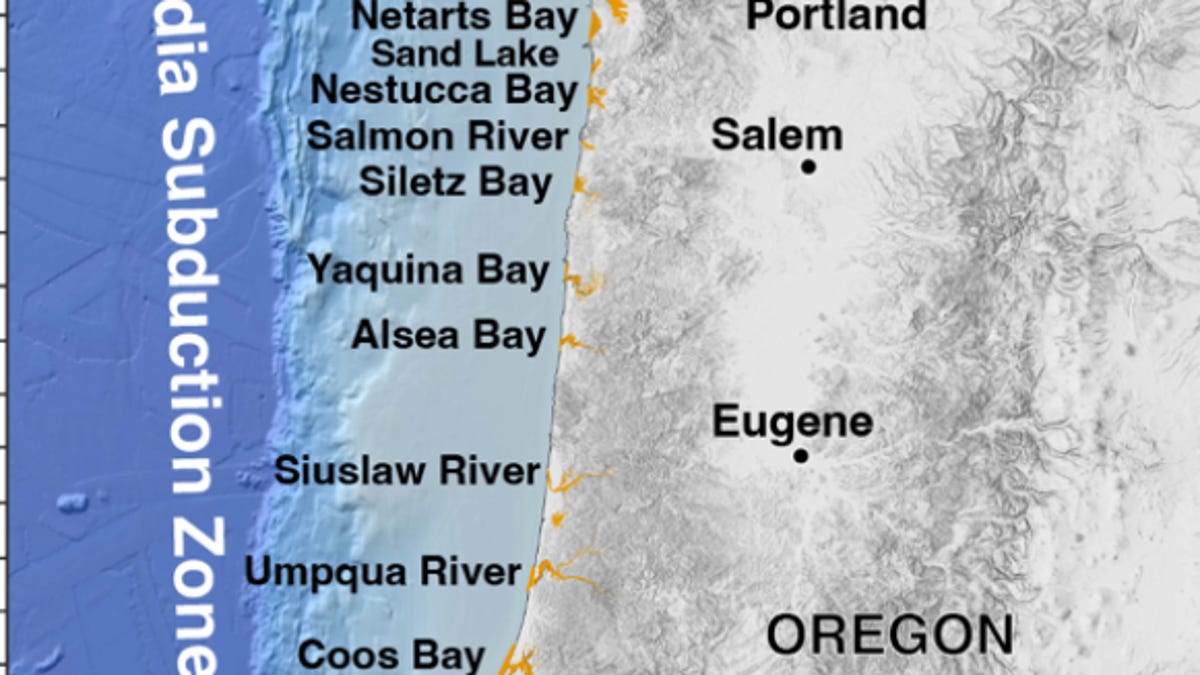
Impending Tsunami Threat from Cascadia Subduction Zone
The Cascadia Subduction Zone poses an immense risk to the West Coast, particularly in terms of a potential tsunami that could reach unimaginable heights. With estimates suggesting waves could hit 100 feet , coastal cities are on high alert. The Pacific Northwest is currently under pressure from tectonic movements, and experts warn that a catastrophic quake could occur at any moment.
A looming disaster has been on scientists’ radars for years. The Cascadia Subduction Zone could lead to massive earthquakes capable of destroying infrastructure, reshaping landscapes, and triggering devastating tsunamis. Tina Dura, a renowned geologist from Virginia Tech , predicts that this event is more a question of when rather than if.
The Build-Up to Disaster
Research indicates that the Cascadia Subduction Zone poses serious threats, including a potential 6-foot drop in some coastal areas following a significant earthquake. This information was highlighted in a recent study published in the *Proceedings of the National Academy of Sciences*, emphasizing that climate change is exacerbating the risks associated with these seismic events. The study suggests that inland areas could experience flooding that is not just temporary but permanent .
Diego Melgar , a professor at the University of Oregon , likens the ramifications of a major earthquake to the devastation of Hurricane Katrina , but suggests they may include permanent loss of land in coastal regions.
What Lies Ahead
Geological history shows that significant earthquakes occur roughly every 200 to 800 years . The last major event in the region was in 1700 , and researchers estimate a 30% chance of such an earthquake happening by 2100 . Current probability assessments indicate a 15% chance of a magnitude 8 quake within the next 50 years .
Ultimately, the next seismic event along the Cascadia Subduction Zone is highly uncertain. Still, the potential for catastrophic consequences cannot be overstated. Dura emphasizes the pressing nature of this risk: “It could happen tomorrow or decades from now.”
Shaking and Tsunami: The Sequence of Events
When the big earthquake strikes, the initial shaking may last over a minute, making it nearly impossible to stand. Following this, land levels may suddenly drop, with significant portions experiencing a drastic 6.5-foot vertical shift . After the immediate shaking, there may be a short period of calm, but that calm is merely a precursor to the deadly tsunami that follows.
Based on simulations, the resulting waves can peak at heights comparable to the 2004 Indian Ocean tsunami , reaching as much as 100 feet . The impact would be catastrophic, especially on densely populated urban areas.
Consequences of a Tsunami
When the tsunami hits, a powerful surge will flood coastal regions. The event could last for several hours or even days. Climate change adds another layer of risk, as it contributes to rising sea levels. The consequences of the earthquake combined with elevated sea levels will lead to areas being permanently inundated , reducing available land for residents and infrastructure.
Melgar warns that this calamity could essentially double the exposure risk for many communities along the coast. Many areas will find themselves below sea level and more susceptible to flooding , making them uninhabitable.
Ongoing Seismic Activity
It’s important to note that the West Coast experiences numerous smaller earthquakes that do not alleviate the pressure building along the Cascadia fault line . Such small quakes are insufficient to alleviate the enormous energy that has been accumulating, and even a magnitude 8 earthquake would still leave significant pressure unresolved. Historical references, including the 1906 San Francisco earthquake , illustrate that a single event will not alleviate the sustained stress of the tectonic plates.
In conclusion, the combination of geological factors and rising sea levels creates a precarious situation for the West Coast. Coastal communities must prepare for a multi-layered disaster resulting from a Cascadia earthquake, making it crucial for policymakers, scientists, and the public to prioritize disaster preparedness and response initiatives.