
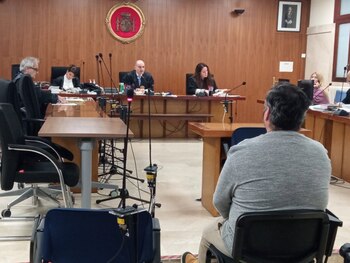
Uncovering a Decade of Abuse: The Trial of a Father Accused of Raping His Daughter
The Isolation of a Family
Reports have emerged detailing a harrowing case of family abuse, where a man is on trial for allegedly raping his daughter for nearly ten years. Judicial documents reveal that this family existed in complete isolation, devoid of social contacts and interactions with public institutions, which hindered child protection teams’ ability to identify the risk faced by the minors. The absence of school and health records made it challenging to activate any intervention protocols.
Circumstances of Discovery
The case gained attention following the intervention of professionals who noticed significant physical and psychological harm to the victim. Prior to this, the family had not been identified in any public registry, which shielded them from standard surveillance practices. Forensic reports linked the girl’s suffering—including self-harm and developmental delays—to prolonged isolation and the alleged abuse perpetrated by her father.
Patterns of Isolation
The investigation revealed distinct periods of isolation from 2010 to 2012 and from 2015 to 2020, during which the family had no institutional connections. This secrecy not only prohibited the emergence of warning signs but also prevented any public organization from noticing unusual patterns that might have indicated distress in the minors.
Professional Insights and Recommendations
Psychologists, social workers, and forensic experts noted during court sessions that the lack of external relations severely increased the vulnerability of the children involved. The gathered evidence illustrated the deep psychological ramifications of prolonged isolation and abuse, with specialists stressing the difficulty of redressing such extensive damage after intervention has finally occurred.
Calls for Stronger Protections
The Prosecutor’s Office has requested a 36-year prison sentence for the accused, citing recorded patterns of violence and family isolation. Experts involved in the case highlighted the pressing need for improvements in monitoring and protection protocols, emphasizing alert systems that do not solely rely on information from schools and health services.
Addressing Systemic Failures
Witnesses revealed that the absence of recorded data hindered early intervention efforts. The lack of alerts from both the family and public services allowed the abuse to remain concealed for an alarming duration. Judicial documentation has shown that the severance from educational and health institutions compounded child vulnerability, significantly raising the likelihood of undetected violence.
Moving Forward: Enhancing Protective Measures
As the trial progresses, specialists and regional authorities have proposed multiple strategies for improving child protection protocols. These include:
Creating Autonomous Alert Systems: Establishing methods that allow institutions to respond even without official notifications.
Enhancing Data Interconnectivity: Developing systems that automatically check for missing children who appear off the radar.
Training for Professionals: Providing specific training on identifying risk indicators to better equip those involved in public health and education.
Conclusion
The troubling circumstances surrounding this case have ignited conversations about systemic flaws in child protection mechanisms. It is imperative to strengthen coordination among public entities to ensure that children do not fall into prolonged isolation and abuse. By implementing proactive measures and improving inter-institutional cooperation, society can move closer to preventing such tragedies from recurring in the future, safeguarding vulnerable minors who might otherwise slip through the cracks.