
The 2010 French National Team Documentary
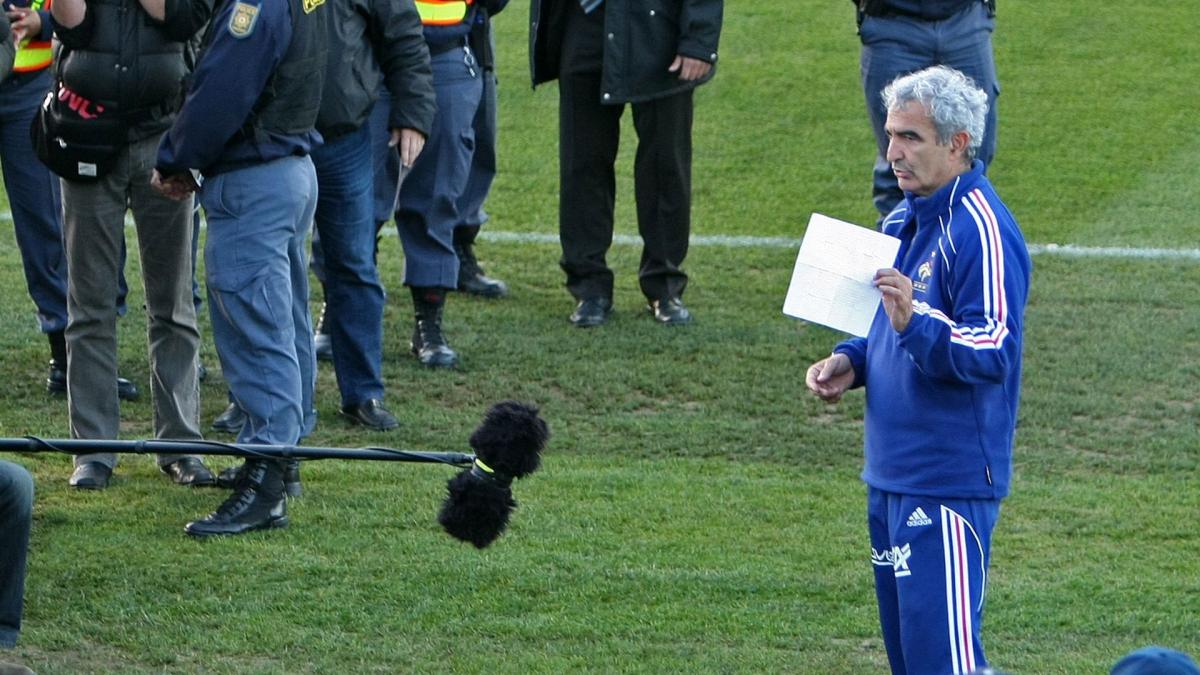
Recently, Netflix released a documentary titled The Bus, the Blues on Strike, reflecting on the French national football team’s turmoil during the 2010 World Cup in South Africa. This documentary stirred the pot once again regarding the infamous debacle led by then-coach Raymond Domenech. While intended to provide a comprehensive view of that turbulent time, the documentary has sparked outrage, particularly from Domenech himself.
Domenech’s Reaction
Raymond Domenech expressed his discontent through a lengthy note criticizing the documentary. He described it as an “extraordinarily violent indictment” against him, arguing that it failed to present a balanced perspective. “I am bruised and betrayed,” he stated, claiming that the documentary misrepresents his character and intentions. Domenech’s frustration is compounded by the fact that he provided full access to his diary to the filmmakers, which included contentious entries that he now claims have been taken out of context to vilify him.
Interestingly, reports indicate that Domenech never objected to the inclusion of the harsher excerpts from his diary during the editing process. A source close to the production stated that he chose not to have these aggressive statements removed, raising questions about his current claims of betrayal.
Players’ Discontent
Many players from that 2010 squad are venting their frustrations in the wake of the documentary. Franck Ribéry took to social media, humorously acknowledging the film while hinting at deeper issues, saying, “Mamma Mia Domenech, I love you very much, but I’ll save the real story for later.” Other players echoed similar sentiments of anger and disbelief regarding how their experiences were portrayed.
Anonymous sources revealed that numerous squad members were furious at Domenech, highlighting the lingering tension and unresolved issues stemming from that World Cup failure.
Anelka’s Insights
Nicolas Anelka, a key figure during the 2010 incident, did not shy away from sharing his views on Domenech. Following the documentary, he labeled the former coach as “a huge asshole,” expressing disillusionment over what he perceived as Domenech’s lack of humanity. According to Anelka, his expectations of the coach were drastically different from reality, emphasizing how Domenech “screwed us all the way.”
Conversely, François Manardo, the former press chief for the Blues, recounted a conversation with Anelka, where he expressed surprise at the film’s quality and how it effectively captured the chaotic atmosphere of that time, even portraying Domenech in a layered manner.
Conclusion
The fallout from the documentary has solidified Domenech’s position as one of the most controversial figures in French football history. His negative comments about players during the World Cup, combined with his recent outbursts, underline the disconnect he has with many who were part of that 2010 squad. For now, the documentary serves as a reminder of that dark chapter, reigniting old wounds and prompting reflections on leadership, accountability, and the complexities of team dynamics. It appears that Domenech’s place in football lore may forever be marred by the events that unfolded both on and off the pitch in Knysna.