
The diagnosis of brain tumors is often a race against time. Today, patients sometimes have to wait weeks after a surgical intervention before receiving accurate results about the nature of their tumor. These results are essential for guiding subsequent treatments, such as chemotherapy or radiation therapy. However, a significant scientific breakthrough promises to disrupt this timeline, thanks to a revolutionary DNA sequencing technique that delivers a diagnosis in just a few hours, sometimes even before the end of the operation.
The Current Diagnostic Process: A Long and Stressful Journey
In standard practice, after a neurosurgeon removes a brain tumor, the genetic analyses essential for its classification often take up to eight weeks. This delay can be extremely anxiety-inducing for patients, and also detrimental medically: the later the diagnosis, the longer it takes to implement an appropriate treatment plan.
Every minute counts when treating brain tumors, where cancerous cells can evolve rapidly. Furthermore, the accuracy of the diagnosis is crucial for selecting the best therapeutic strategy.
Nanopore Sequencing: A Spectacular Advancement
Researchers at the University of Nottingham have developed an innovative method that reduces this waiting time from several weeks to just two hours. This method relies on a technology called nanopore sequencing.
How does it work? The principle is simple yet brilliant. The DNA extracted from the tumor is passed through tiny microscopic holes, or “nanopores.” As each strand of DNA traverses these pores, the machine reads the sequence of nucleotide bases, deciphering the tumor’s genetic makeup in real-time.
A special software then compares this profile to a library of known brain tumors, allowing for the rapid and accurate identification of the tumor type.
Impressive and Rapid Results
To validate this technology, Professor Matthew Loose’s team tested the method on 30 preserved tumor samples, followed by 50 fresh samples collected during surgical operations.
The results are promising: within 24 hours, the system correctly classified 80% of the preserved samples and 90% of the fresh ones, with performance comparable to traditional methods. However, the rapidity is striking.
Out of the 50 fresh samples, more than three-quarters were identified with certainty in just one hour. This means that, in many cases, a complete genetic diagnosis can be available within two hours after tumor removal.
Credit: iStock
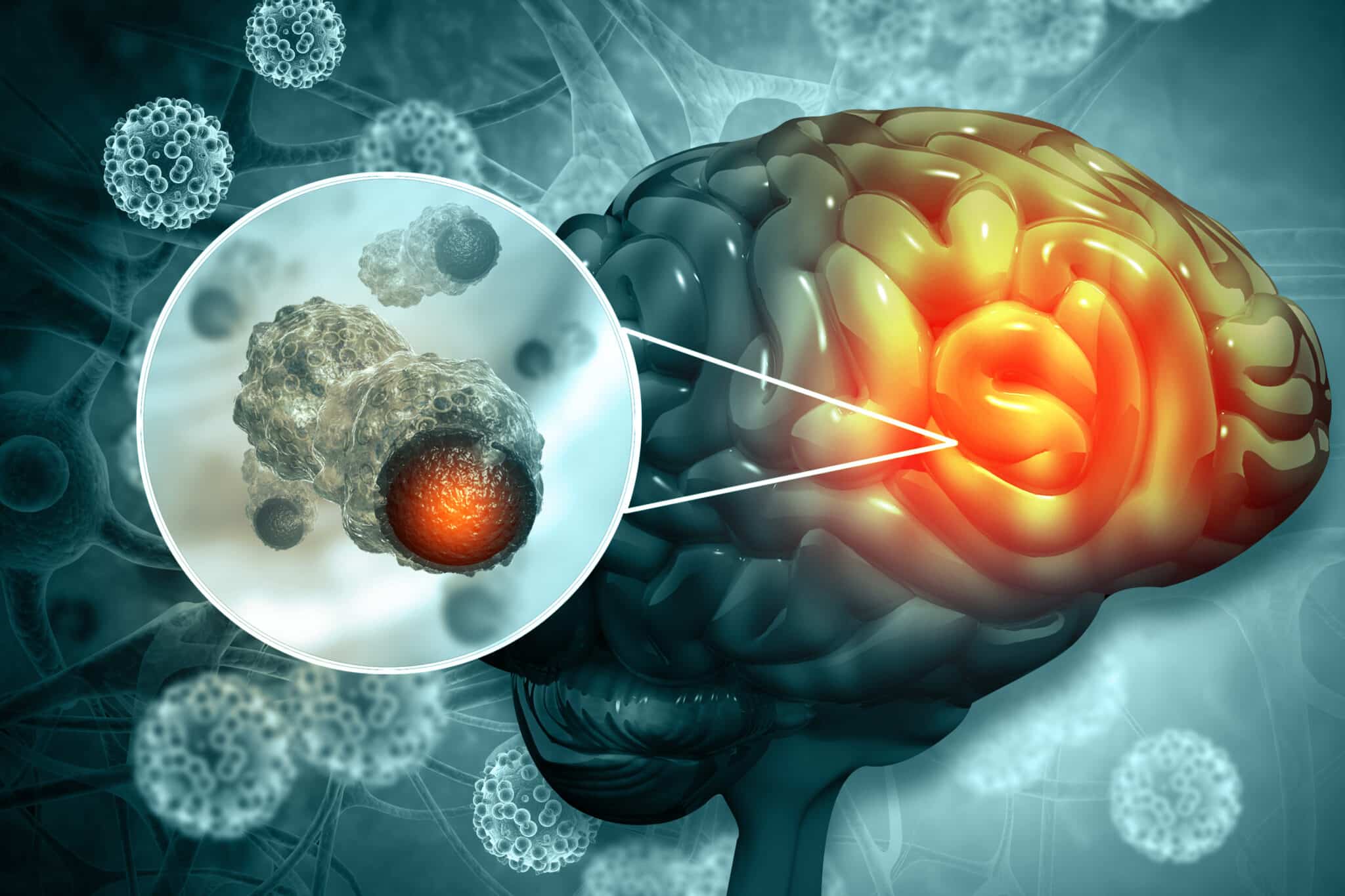
Illustration of a tumor inside the brain. Credits: Mohammed Haneefa Nizamudeen/istock
A Potentially Revolutionary Impact for Patients
This advancement not only changes the speed of diagnosis but also paves the way for much more responsive medical decisions.
With results available almost instantly, surgical teams could adapt their intervention in real time. For example, they could decide to be more aggressive in tumor removal if they know precisely what type of cancer is involved, or conversely, avoid unnecessary risks if the tumor is considered less threatening.
Moreover, the rapid diagnosis could enable the consideration of targeted treatments administered directly during the operation, a completely new prospect that could significantly improve healing chances.
A Step Towards Personalized Medicine
Beyond the operation, this ultra-rapid diagnosis could also expedite patients’ access to clinical trials for innovative treatments, often contingent on knowing the precise type of tumor.
The cost of the test, around £400, remains similar to current methods, but with a major advantage: a single test replaces multiple analyses, which could ultimately reduce overall costs for the healthcare system.
A Promise for the Future
The publication of this study in the journal Neuro-Oncology marks a significant milestone in the fight against brain cancers. This technology, still being optimized, illustrates how biotechnology and artificial intelligence can transform medicine, bringing closer the promise of rapid, precise, and personalized care for each patient.
The days when patients had to wait weeks for a diagnosis might soon be over. Now, the battle against brain tumors will also be about the speed of DNA reading.