
The Rise of Anti-Obesity Drugs: Addressing an Increasing Global Concern
Understanding the Global Obesity Epidemic
Obesity has emerged as one of the most serious health challenges worldwide. According to the World Health Organization (WHO), nearly 2 billion adults are classified as overweight, with over 650 million of these individuals being categorized as obese. This alarming trend is primarily attributed to sedentary lifestyles, poor dietary choices, and lack of access to adequate health care. The impact of obesity extends beyond personal health; it influences economies, healthcare systems, and social structures globally.
The Impact of Obesity on Health
Obesity is directly linked to numerous chronic diseases such as type 2 diabetes, heart disease, and certain types of cancer. These comorbidities not only threaten individual health but also place a significant burden on healthcare systems. In addition to the physical implications, obesity can lead to serious mental health issues, including depression and anxiety stemming from social stigma and discrimination.
The link between obesity and economic strain is equally concerning. The economic cost of obesity-related diseases is staggering, with the CDC estimating that obesity-related healthcare expenditures reach more than $147 billion annually in the United States alone.
Current Treatment Options for Obesity
While lifestyle changes including improved nutrition and increased physical activity are pivotal, they may not suffice for all individuals struggling with obesity. The emergence of anti-obesity medications presents new opportunities for effective treatment. Three primary types of medications have gained traction in clinical settings: appetite suppressants, absorption inhibitors, and medications that target metabolic processes.
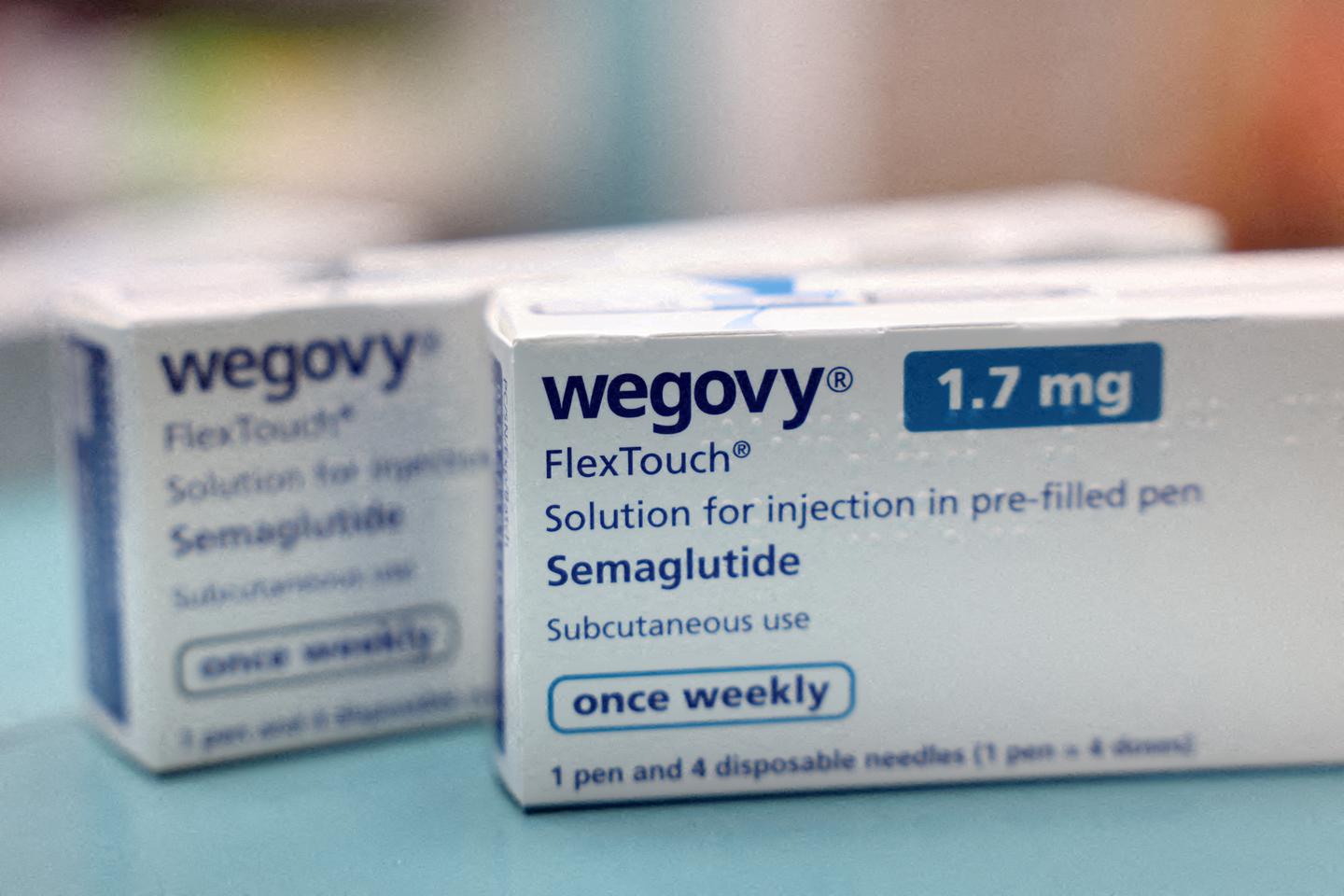
Among the leading treatments is Wegovy, produced by Novo Nordisk, which has been making waves for its effectiveness. This medication, containing the active ingredient semaglutide, mimics hormones that regulate appetite and metabolism, thereby promoting weight loss. In recent months, there has been increasing focus on the accessibility and affordability of such treatments.
Wegovy: A Game Changer in Obesity Treatment
Launched in several countries, including France, Wegovy has demonstrated promising results in clinical trials. According to studies, participants using this medication experienced an average weight loss of approximately 15% to 20% over 68 weeks. What sets Wegovy apart is its mechanism—by mimicking the hormone GLP-1, it not only reduces appetite but also enhances insulin sensitivity, making it a dual-action tool in combating obesity.
As of October 2024, Wegovy has been officially introduced in France, yet a significant obstacle remains: reimbursement. Although discussions regarding reimbursement are underway, many patients currently face out-of-pocket expenses, costing between €6 to €9 per day. The affordability and accessibility of such life-changing treatments remain crucial topics of discussion.
The Government’s Role in Addressing Obesity
In light of the growing obesity crisis, governmental response has become increasingly crucial. The French government, through its health ministers, has initiated a "plan against obesity," which aims to adopt a multi-faceted approach. This includes educational, medical, sportive, and pharmaceutical strategies to mitigate the epidemic effectively.
Minister of Health Yannick Neuder stated, "This plan will be rolled out in September," as part of efforts to combat metabolic diseases like obesity and diabetes, affecting nearly 20% of children and teenagers in France.
The Future of Prescribing Anti-Obesity Drugs
Currently, Wegovy can only be initially prescribed by specialists in endocrinology, nutrition, or diabetology. While renewals are permitted by general practitioners (GPs), there is a push for greater accessibility. Neuder expressed hopes to empower all doctors to prescribe these treatments, mirroring practices in other European nations. "Obesity is a major contributor to cardiovascular diseases, causing 140,000 deaths annually in France," he emphasized.
Novo Nordisk’s local head, Etienne Tichit, advocates for wider prescription authority, hoping that accessibility will allow more patients to benefit from this life-altering medication.
The Role of Awareness in Combating Stigma
Raising awareness about obesity is equally important as providing treatment. Societal stigma often discourages individuals from seeking help or discussing their weight issues openly. Public health campaigns focusing on acceptance and the medical nature of obesity can reduce stigma and foster a more supportive environment for those affected.
Conclusion
In conclusion, as we navigate the complexities presented by the obesity epidemic, innovative treatments like Wegovy offer hope to millions. However, achieving broader access, reducing stigma, and fostering a supportive societal framework are equally vital. The combination of medical advancements and a proactive government approach may guide us towards a healthier future for all.

The government is working on an “obesity plan” to address this chronic disease “on all fronts, educational, health, sports, and medical,” said the Minister in charge of Health, Yanick Neuder, during a visit to the production site of the large Danish pharmaceutical group Novo Nordisk in Chartres, where the anti-obesity drug Wegovy for the European market is produced.