
A Mechanic’s Ingenious Invention: Charcoal-Powered Cars in Cuba
The Story of Juan Carlos Pino
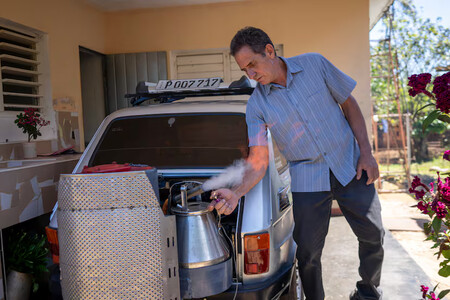
Juan Carlos Pino, a 56-year-old mechanic from Aguacate, Cuba, has captured global attention by retrofitting his 1980 Fiat Polski to run on charcoal. Amidst a severe energy crisis, his inventive solution has left neighbors astonished, reflecting the resourcefulness demanded by Cuba’s current circumstances.
The Energy Crisis in Cuba
Cuba is currently facing one of its most significant energy crises in decades. The situation worsened when the Trump administration imposed restrictions on fuel supplies to the island, leading to soaring gasoline prices. On the black market, the cost for a liter has spiked to eight dollars, nearly six times the state-offered price. This crisis is compounded by intermittent power outages and the closure of key suppliers like Venezuela, which historically provided essential energy support.
According to Vicente de la O Levy, Cuba’s Minister of Energy and Mining, the situation remains dire, with fuel supplies uncertain. As such, many Cubans, including Pino, are resorting to inventive alternatives to power their vehicles.
Innovative Design and Functionality
Pino’s charcoal-powered vehicle operates through a unique propulsion system he fashioned from salvaged parts and scrap materials. The system utilizes a converted propane cylinder where charcoal is burned, creating hot gases. These gases are filtered through a stainless steel milk can filled with old clothes before reaching the carburetor to replace traditional gasoline.
The setup takes approximately two months to construct, featuring a 60-liter tank welded to the rear of the car. However, starting this charcoal vehicle requires patience; it takes about thirty minutes for the charcoal to ignite and reach operational temperature. As Pino humorously notes, “It’s not a car for someone who’s in a hurry.”
Inspiration from Online Resources
Pino’s endeavor didn’t originate from a vacuum. He was inspired by videos from Edmundo Ramos, an Argentine engineer specializing in biomass-powered vehicles. Ramos, who has been refining this technology for over a decade, has also been a source of guidance for other Cubans seeking similar solutions during these challenging times.
Community Reaction and Future Plans
Pino’s charcoal-inspired creation has quickly become a local sensation. Residents gather to admire the vehicle and seek Pino’s expertise in creating similar models. He proudly recalls a neighbor’s amusing description of him as a “magician,” highlighting the inventive spirit that permeates Cuban culture.
In light of the pressing need for mobility, Pino is already planning his next project: adapting a tractor to run on the same charcoal system. “We need to be able to farm,” he remarked, recognizing the broader implications of his invention.
The Bigger Picture: Creativity Amid Scarcity
This innovative approach is symptomatic of a broader cultural phenomenon in Cuba, often referred to as “creole inventions.” Faced with prolonged shortages—such as blackouts lasting up to nineteen hours and water scarcity—Cubans are compelled to invent creative, resourceful solutions to daily challenges.
As reported, the Cuban Observatory of Conflicts has recorded over 1,200 protests recently, primarily due to supply issues. Pino’s grit and innovation reflect not just personal ingenuity but a collective resilience that can adapt to dire straits.
Conclusion
Juan Carlos Pino’s conversion of a Fiat Polski to a charcoal-powered vehicle is a testament to human creativity in the face of adversity. As he looks towards future projects, the hope is that such ingenuity can inspire others and possibly pave the way for innovative solutions in other areas of life in Cuba and beyond. The remarkable story of Pino illustrates that with determination and creativity, even the most challenging circumstances can spark innovation.