
The Unique Climate of Southeastern Spain
“In Murcia, there has to be a tarp or something; it’s not normal.” This sentiment echoed by José Montiel, reflects a growing concern regarding the unusual climatic conditions impacting Alicante, Murcia, and Almería.
Recent Weather Events
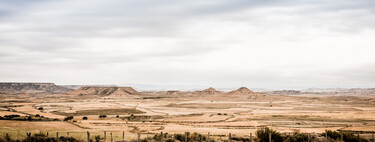
In recent days, a trough coupled with a river of humidity has unleashed a squall line across Spain. This resulted in intense winds and considerable rain; however, the southeastern corner of the peninsula has mostly been left out of this weather phenomenon. Historically, this region has recorded some of the lowest rainfall amounts in the country, with areas around Cabo de Gata receiving an average of just 200mm per year.
The Arid Reality of Alicante, Murcia, and Almería
Desertification increasingly plagues this part of Spain. According to the Köppen-Geiger classification, these areas boast some of the most arid climates in the country, rivaled only by specific places in the Canary Islands.
Reasons for Limited Precipitation
To understand why Alicante, Murcia, and Almería receive so little rainfall, we can pinpoint three key factors:
The Azores Anticyclone: This Atlantic weather pattern significantly impacts Spain’s climate. It is now evident that Spain is experiencing the driest climate in the last 1,200 years, largely due to the strengthening of this anticyclone. As winds traverse the northern hemisphere, their effects are not uniformly distributed, highlighting the stark difference between regions like Galicia and Murcia.
The Betic Mountain Ranges: The Baetic mountain ranges serve as an effective orographic barrier that traps moisture, resulting in a notable rainfall shadow. Consequently, areas east of the mountains, such as Murcia, rarely see significant precipitation.
Uncontrolled Evapotranspiration: High levels of insolation coupled with extreme evapotranspiration exacerbate the issue. Not only does this region receive little rainfall, but the amount of water that evaporates is substantial, contributing to a parched environment ill-equipped to utilize any scarce rainfall.
Looming Challenges
As if the situation isn’t dire enough, new challenges are emerging. The IPCC forecasts indicate a concerning trend: the Mediterranean region is among the most vulnerable to climate change, with reductions in precipitation linked directly to global warming. Predictions suggest a 4% decrease in rainfall for every degree Celsius increase in temperature.
Looking Ahead: The Year 2025
Even with recent historical rains, the overall balance for the southeast remains bleak. Amidst increasing illegal water trafficking schemes, there are ongoing discussions around constructing water transfer systems to provide relief to this parched region. However, the pressing need for comprehensive environmental policies is more critical than ever, as reliance on such temporary fixes is not sustainable.
Conclusion
The weather irregularities that afflict Alicante, Murcia, and Almería underscore a pressing environmental concern. While the beauty of these regions remains, their sustainability hangs in the balance. Urgent action and long-term strategies are essential to combat the decline in this corner of Spain that, despite its challenges, has been cherished for its unique characteristics.