
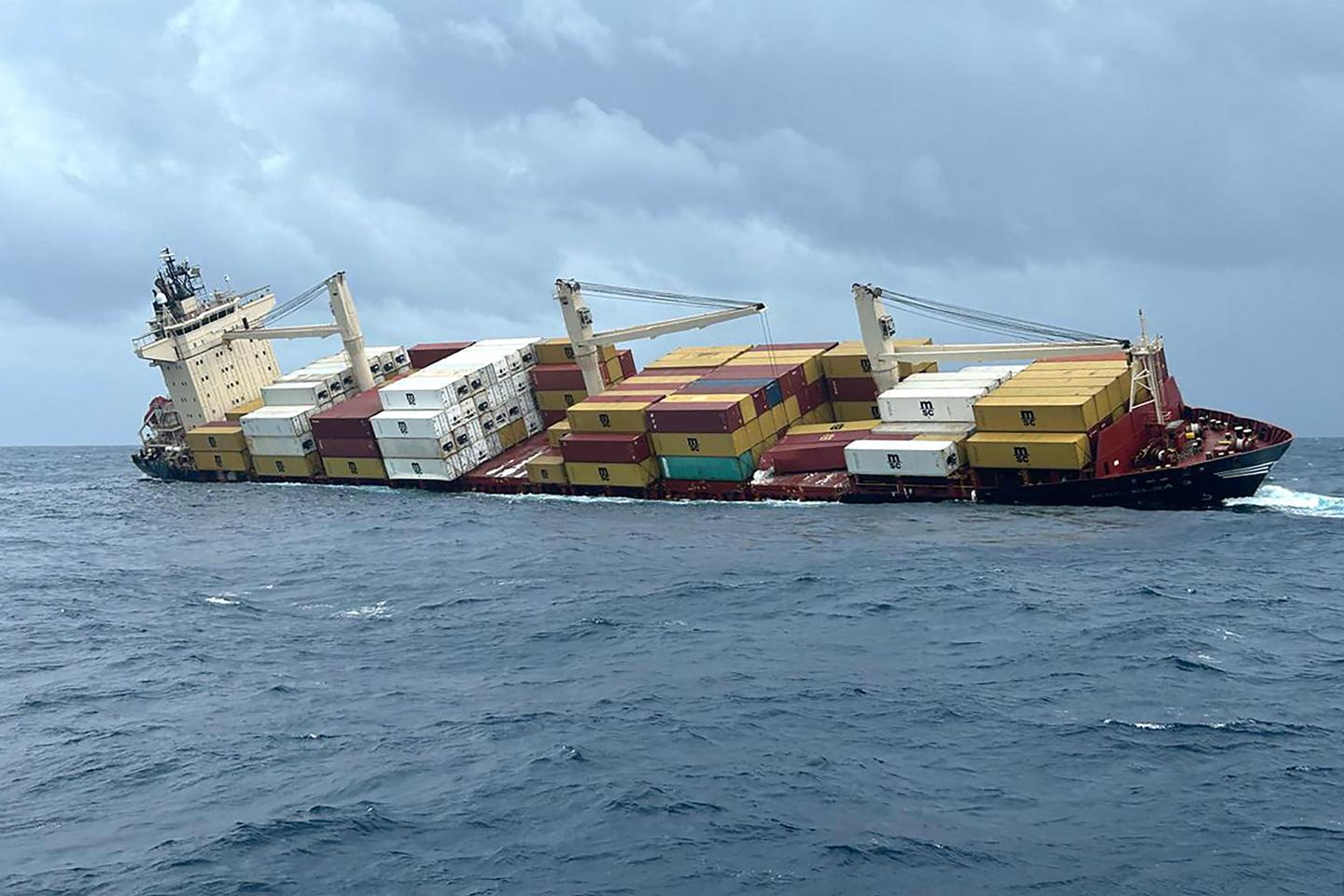
The Dramatic Rescue of the MSC "Elsa-3" Off the Coast of Kerala
On a fateful day, the MSC "Elsa-3" container carrier found itself in dire straits off the southern coast of India, prompting a swift response from Indian authorities. This vessel, under the Liberian flag, was on a routine journey from the port of Vizhinjam to Kochi when it issued a distress call that set the stage for a dramatic rescue operation.
The Distress Call
On Saturday, May 25, 2025, the MSC "Elsa-3" sent out a distress signal approximately 70 kilometers off the coast of Kochi. The Indian Navy swiftly mobilized, dispatching aircraft to locate the distressed ship. In an impressive demonstration of maritime coordination, Navy planes spotted two rescue canoes that were deployed to assist the crew members.
The Rescue Operation
The Ministry of Indian Defense confirmed the successful rescue of all 24 crew members aboard the container ship. These sailors hailed from diverse backgrounds, including Georgia, Russia, Ukraine, and the Philippines. The urgency of the situation was palpable; the vessel was confirmed to be in distress, carrying 640 containers, and among those, 13 were classified as dangerous goods.
The Concerns of Dangerous Cargo
Among the most alarming aspects of the situation was the fact that 12 of the containers contained calcium carbide, a chemical widely used in fertilizer production and steel manufacturing. While the ministry refrained from elaborating on the specifics of the dangerous goods, the presence of calcium carbide raised several health and environmental concerns.
Given its applications, calcium carbide is considered hazardous. If involved in an accident, potential toxic releases could affect marine life and nearby coastal communities. Fortunately, the Indian Ministry of Defense reported that, as of now, “no leak has been reported.”
Fuel and Oil Concerns
Adding to the complexities of the situation was the fact that the MSC "Elsa-3" was also transporting 370 tonnes of fuel and oil. The absence of any reported leakage is encouraging; however, the potential for environmental disaster in such scenarios cannot be overstated. The proximity of the vessel to a heavily trafficked shipping lane raised the stakes even further.
The Rescue’s Aftermath
The swift action taken by the Indian military reflects not only their preparedness but also highlights the international nature of maritime commerce. Cargo ships often carry diverse and sometimes hazardous materials across oceans, making their safe navigation critical for both economic stability and environmental safety.
In the larger context of global maritime operations, this incident serves as a reminder of the constant risks involved in transporting goods across international waters. The ability to respond rapidly and effectively can mean the difference between a successful recovery and a catastrophic event.
Future Implications for Maritime Safety
As maritime trade continues to grow, the risks associated with transporting dangerous goods are likely to increase. Regulatory bodies and shipping companies must remain vigilant and proactively address these risks through improved safety protocols, training, and technology. This incident underscores the necessity for ongoing investment in maritime safety and environmental protection measures.
Consequently, it is crucial for shipping companies to conduct thorough risk assessments before embarking on voyages involving hazardous materials. Enhanced training for crew members on handling such situations can significantly mitigate potential risks.
In Conclusion
The successful rescue of the MSC "Elsa-3" crew serves as a beacon of hope amidst the challenges posed by maritime operations. While the immediate crisis was averted, the broader implications for maritime safety and environmental health remain pressing issues needing attention.
The incident brings to light not only the vulnerabilities of shipping operations but also the crucial role that governmental and military agencies play in safeguarding lives and the environment. Moving forward, it is imperative that international standards for shipping safety be upheld and that all stakeholders remain committed to advancing maritime security and environmental stewardship.