
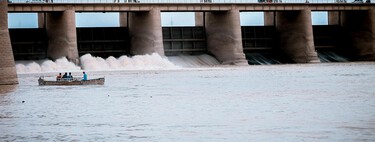
Understanding the Impact of Weather Changes on Reservoirs
Experts warn that we are facing a significant change in weather patterns. After an intensely warm summer, the latter part of June provided a short-lived respite characterized by cooler temperatures and sporadic storms, particularly affecting the northern third of Spain and the Mediterranean basin. However, this brief lull is expected to give way to a return of hot weather, with rainfall anticipated to be below normal levels even for the summer season.
The Current State of Our Reservoirs
In examining the conditions of our reservoirs, we find troubling data. According to recent statistics from the Ministry for Ecological Transition and the Demographic Challenge, the percentage of embalmed water in Spanish reservoirs has fallen from 68.4% to 67% within just a week. This drop is substantial and raises concerns, especially considering the fact that we are enduring the summer months.
The decrease of over one percentage point in such a short time is alarming, particularly when contrasted with recent rainfall in several regions, such as northern Spain, Catalonia, and the Segura basin. The reduction in reservoir capacity despite these events highlights the pressing issue of water management in the face of changing climates.
The positive note amidst this concerning data is that water reserves remain above the average for the past five and ten years, offering some hope. They are also better than they were at this time last year, which sheds light on the resilience of certain regions, albeit temporarily.
Trends in Water Levels
Notably, not all regions are experiencing the same trends. Certain areas, such as the internal basins of Catalonia and Segura, have managed to hold their ground. The former has maintained its reservoir levels at a steady 77.5%, while the latter has actually seen an increase, moving from 28.7% to 28.8% in volume.
In stark contrast, the internal basins of the Basque Country have dropped significantly, going from 90.5% to 85.4% of their capacity. Furthermore, larger basins have also noted a decline in water levels, with the Ebro being particularly affected, falling from 77.5% to 74.4%—a precarious situation as it dips below the levels seen in Catalonia.
The Outlook for August
Looking ahead, August does not appear to be bringing good news for water reserves. According to the monthly predictions from the State Meteorology Agency (AEMET), the following weeks will likely be marked by warmer and drier conditions than expected for this time of year.
The anticipated anomaly in rainfall, while described as mild, is projected to affect most regions of the country. Temperature anomalies are expected to be more varied; while an increase between three and five degrees is anticipated in many areas, an unexpected dip in temperatures is forecasted for eastern regions of the peninsula next week.
For those concerned with the impending drought, it is becoming increasingly evident that time is of the essence. The dual challenges of managing existing reservoirs while contemplating the future implications of sediment buildup in these essential water sources will require efficient planning and decisive action from authorities and communities alike.
As we navigate these uncertain waters, it remains essential for residents, policymakers, and environmentalists to remain vigilant and adaptive to changing climate conditions. With the combined pressures of rising temperatures and altered rainfall patterns, the fate of Spain’s reservoirs is a pressing issue that deserves our attention now more than ever.