
China’s Electric Vehicle Reality Check: Tesla Outshining Local Competitors
China’s electric vehicle (EV) market is undergoing a rapid evolution, with a plethora of manufacturers competing to showcase their prowess in technological advancements. However, recent events have uncovered a startling reality check for many of these Chinese companies. According to Kyle Chan, an expert in the Chinese industry, the standout performance of Tesla during critical safety assessments has highlighted significant gaps in the capabilities of local manufacturers when it comes to Advanced Driver Assistance Systems (ADAS).
Groundbreaking Test Results
A recent examination conducted by the Chinese media outlet DonGchedi pitted 36 different cars, predominantly from Chinese brands, against a set of rigorous safety tests. These tests required the vehicles to navigate through 15 distinct risk scenarios, resulting in a staggering 216 accidents across the board. Tesla emerged as a clear leader, achieving the highest score and successfully handling five out of six major scenarios without incident. This expose not only underscores Tesla’s technological edge but also serves as a wake-up call for local manufacturers who have overly touted their own ADAS capabilities.
The emotional backdrop to this investigation is rather telling; it signals a crucial moment for Chinese manufacturers who have increasingly positioned themselves as avant-garde contenders in the EV space. This examination reflects the growing scrutiny by the Chinese government, which has sternly reminded manufacturers to prioritize delivering genuine innovations over empty promises. With Tesla setting a high bar, local brands face mounting pressure to prove their capabilities.
A Competitive Bubble Bursting
The competitive landscape in China is nothing short of an electric revolution. The country boasts some of the most advanced electric vehicles in the world, equipped with technologies such as ultra-fast charging systems and even incorporated drones. Yet, despite these standout features, manufacturers have often been quick to boast about their autonomous driving capabilities. For instance, models such as the BYD Seagull demonstrate impressive self-driving technologies, even at a budget-friendly price point of under €10,000.
However, a closer inspection reveals discrepancies in these claims. Notably, the Chinese authorities have begun cracking down on companies that present misleading advertising, particularly in relation to their ADAS systems. This became apparent when certain manufacturers received fines for showcasing fictitious capabilities in promotional videos, leading to a significant reduction in mentions of autonomous driving features at recent product launches.
Depressing Performance Highlights
The testing results from DonGchedi were nothing short of alarming for many manufacturers. The top performer among Chinese cars was the GWM Wey Lanshan, which managed to navigate three out of six scenarios correctly, including avoiding unexpected road obstacles. Other models, like the XPEng G6, Aito M9, and Luxeed R7, offered similar results, outperforming the majority of their counterparts. Unfortunately, the vast majority of the tested vehicles—29 out of 36—failed to solve more than two risk scenarios, with 15 cars unable to pass even one test due to inadequate equipment.
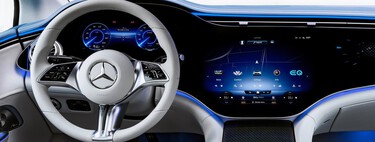
Surprisingly, well-known models, including the Mercedes Class C and the Volkswagen Passat, found themselves among those unable to complete the tests successfully. The results have ignited further discussions about not just local manufacturers but also globally renowned brands that are now positioned less favorably in this stark report.
Lessons from Tesla
What’s particularly concerning is the timing of these results; they coincide with a critical moment in the global EV landscape. Chan’s observations likened Tesla’s situation to a “ChatGPT moment,” where the company’s innovative capabilities are placed under the spotlight amidst rising international competition. Despite criticisms regarding its Lidar usage, Tesla has managed to demonstrate outstanding performance, with models like the Model 3 achieving success in nearly all scenarios.
The implications of these testing results extend beyond the individual manufacturers; they highlight the larger issue of standardized testing for ADAS systems. Currently, there is a profound lack of universally accepted criteria for evaluating these technologies, leading to inflated claims and consumer confusion. This problem is not exclusive to China, as various global brands have also exaggerated their vehicles’ autonomous capabilities.
Conclusion
The recent assessment outcomes serve as an illuminating checkpoint for China’s electrifying automotive industry. As Tesla sets the benchmark, local manufacturers must not only recalibrate their expectations but also focus on tangible advancements in technology. The call for improved safety and transparency in advertising is echoing through the corridors of innovation, urging brands to align promises with reality. Manufacturers must recognize that while the quest for technological supremacy is exhilarating, it must be grounded in actual, verifiable capabilities. Only then can the dreams of China’s electric vehicle revolution truly be realized.