
Toyota’s New Hydrogen Initiative: A Partnership with Hyroad Energy
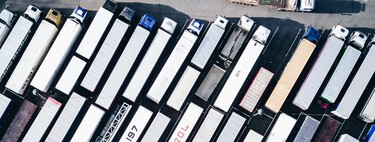
Toyota’s commitment to hydrogen as a viable mobility solution continues, as evidenced by its recent agreement with Hyroad Energy. This collaboration involves Toyota renting 40 hydrogen fuel cell trucks for its operational needs in the U.S. strikingly, it’s not Toyota manufacturing these trucks. Instead, they are leasing them from Hyroad Energy, which will also handle maintenance and software support while Toyota develops its hydrogen charging network.
The Viability of Hydrogen as a Future Fuel Source
Toyota’s partnership serves a dual purpose: to showcase hydrogen as a sustainable fuel choice and to revitalize an underperforming hydrogen infrastructure in the U.S. Although hydrogen has often been touted as a cleaner alternative to electric vehicles, its practical application has faced significant hurdles. The introduction of hydrogen fuel cell vehicles like the Toyota Mirai marked a pivotal moment, using hydrogen to produce electricity while emitting only water vapor. However, the high costs associated with hydrogen production, transport, and storage present ongoing challenges. For instance, the tanks required to hold hydrogen under high pressure diminish storage space in vehicles, complicating adoption for personal use.
Shifting Focus to Heavy Transportation
Given these limitations, experts suggest that hydrogen may be better suited for heavy-duty vehicles. Trucks can accommodate larger hydrogen tanks without compromising cargo space. By focusing hydrogen fuel cell operations in urban industrial centers, logistics could be streamlined, reducing distribution challenges.
The decision to utilize converted trucks, particularly a fleet acquired from the now-bankrupt start-up Nikola, raises further interest. Hyroad Energy’s acquisition of over 100 trucks suggests a pivot towards hydrogen-powered options after Nikola’s turbulent entry into the market.
Legal Troubles and Market Viability
Adding to the intrigue, Toyota currently faces legal complaints from Mirai owners who allege that the company engaged in false advertising regarding its hydrogen fueling infrastructure. The plaintiffs argue Toyota promised a network that never materialized, which has rendered their vehicles impractical.
Conclusion: A Race Against Time?
While Toyota’s strategy may seem logical, particularly with its investment in hydrogen, the market is increasingly leaning toward electric vehicles for heavy transportation. As competition heats up, only time will tell if hydrogen can establish its presence alongside electric alternatives. Toyota’s reliance on third-party trucks may provide immediate solutions, but long-term success hinges on the development of a robust hydrogen infrastructure and overcoming the skepticism that plagues the technology.
As the automotive industry evolves, companies like Toyota must find a way to prove the reliability and viability of hydrogen as a mainstream fuel source, or risk falling further behind in an era where electric vehicles dominate the conversation.