
## Infantino’s Reaction to Criticism
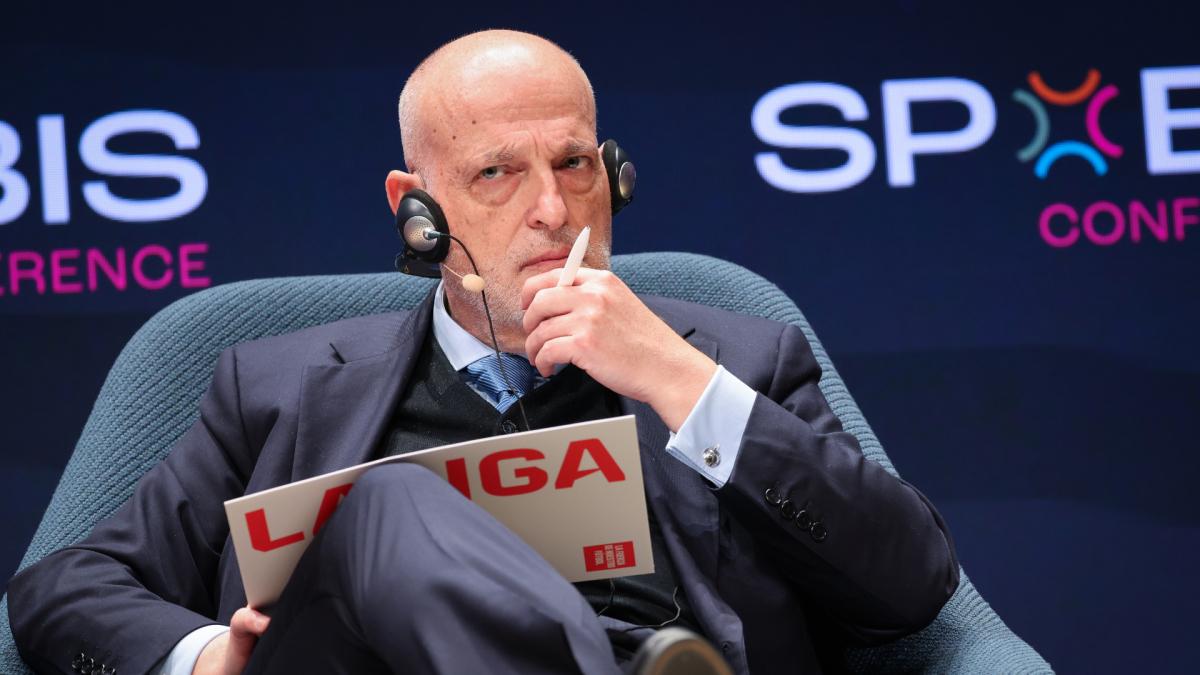
After facing significant backlash related to the upcoming 2026 FIFA World Cup, Gianni Infantino took to social media to defend his position as FIFA president. In his statement, he criticized certain individuals and organizations for what he deemed a “lack” of appreciation for the tournament, attributing their criticism to “hate” rather than constructive feedback. This assertion quickly drew the ire of Javier Tebas, the president of LaLiga, who has a history of openly challenging FIFA’s decisions and policies.
## Tebas’s Sharp Retort
Javier Tebas did not hold back in his response. He referred to Infantino’s social media message as “pathetic,” emphasizing that while emotions and unity are integral to football, transparency and good governance should never be viewed as acts of hatred. According to Tebas, these principles constitute essential obligations that sports organizations must adhere to, and he believes that strong institutions should welcome questions rather than discredit those who ask them.
### Accountability Over Allegations
Tebas’s criticism went beyond mere rhetoric. He questioned the motivation behind Infantino’s defensive tone. In his statements, he called attention to the timing of Infantino’s comments, suggesting that there might be underlying issues prompting such a reaction. “When a leader devotes an entire message to discrediting those who exercise legitimate control, it is inevitable to ask why precisely now,” Tebas articulated. This inquiry raises important questions about accountability within FIFA and the need for transparency in the wake of growing public scrutiny.
## The Broader Implications
This exchange between Tebas and Infantino is indicative of a larger trend in football governance, one where leaders are increasingly held to account by fans, clubs, and governing bodies alike. The pressure for transparency is higher than ever, as stakeholders demand more from organizations that wield significant influence over the sport globally.
### What This Means for FIFA
Infantino’s need to defend his leadership suggests a shifting landscape where accountability may become a focal point. While football is undoubtedly a sport filled with passion and emotion, it is crucial that its governing bodies maintain integrity and trust with those they represent. Tebas’s challenge to Infantino could serve as a catalyst for more significant discussions about governance and oversight in the world of football.
## Conclusion: A Call for Transparency
As the conversation continues between key figures like Javier Tebas and Gianni Infantino, it becomes evident that the future of football governance may hinge on a commitment to transparency and accountability. With stakeholders becoming increasingly vocal, governing bodies must adapt to meet these expectations, lest they risk further erosion of trust among fans and the footballing community at large. Through dialogue and constructive criticism, the sport can move forward, ensuring that it remains true to its foundational values while also evolving to meet contemporary challenges.