
In 2024, more than 90,000 books are expected to be published in Spain alone. In the United States, this figure reaches nearly three million, including self-published works. These staggering numbers reveal a crucial point: the world has been filled with writers.
The blank page, but on the screen
Modern writers navigate a multitude of avenues. The traditional typewriter has mostly been replaced by computers, allowing for a more personalized experience. While some prefer desktop computers, others opt for laptops, with preferences often extending to the keyboards they use—popular options like mechanical keyboards can significantly change the writing experience.
Distraction-Free Writing Applications
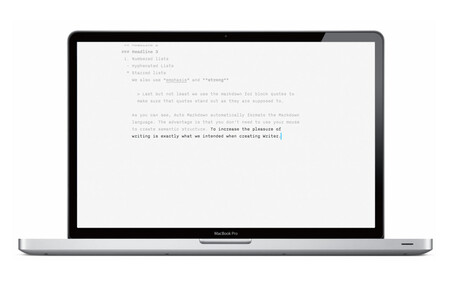
In most cases, writing applications like Scrivener, Ulysses, and iAWriter aim not just to assist with structure but also to provide a distraction-free mode. This often takes the form of a blank digital sheet—minimal distractions, inviting focus.
Welcome to Distraction-Free Keyboards
Alongside these software tools, distraction-free keyboards are emerging as specialized hardware designed for focused writing. These devices harken back to traditional typewriters, created for one purpose: writing.
Such keyboards typically integrate small screens displaying your text; however, they limit other functionalities. Designed to synchronize with the cloud, these devices lack web browsers and social media access. Instead, they create a focused atmosphere for writers to concentrate.
Popular Models and Features
The most prominent in this segment is Freewrite, produced by Astrohaus. Key features include:
- Internet connectivity for cloud synchronization
- Flash memory capable of storing several manuscripts
- Long-lasting battery
- Screen options, including electronic ink and LCD
Another notable alternative is the Pomera from King Jim.
User Experiences with Distraction-Free Keyboards
Insights from users paint a realistic picture of these devices. Writer Ilia Epifanov sought a compact machine for distraction-free writing but opted for a vintage Nokia E7 due to cost.
Carl Dilkington, a freelancer, also turned to the Freewrite Traveler due to its aesthetic appeal. Despite its portability, he notes the requirement for personal discipline in writing, stating, “These devices don’t work magic.”
“You still need to force yourself to sit down and write…”
The Imperfect Solution
Economist and writer Eduardo Robsy experimented with various devices, eventually purchasing the Freewrite Alpha. While it’s not a flawless solution, he finds it effective for producing quick drafts.
“None of them are perfect,” he declares, “The important thing, at the end of the day, is to write.”
Ultimately, distraction-free keyboards serve a purpose in minimizing potential distractions from digital devices. However, they are not a magic bullet against procrastination. The true challenge lies within the writer’s mind, requiring commitment and discipline to transform ideas into words.