
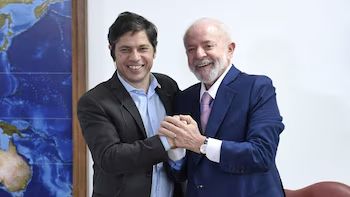
The PJ’s Defense of Lula da Silva: A New Axis for Internal Agreement
Peronism’s Challenges
Reaching consensus within the diverse factions of Peronism presents significant challenges as they aim for unity heading into the 2027 elections. The differing viewpoints and tribal allegiances often prevent unified action, even in the face of opposition from figures like Javier Milei. However, recent events have sparked a momentary convergence among these factions, underscoring their commitment to a collective response.
Criticism of Lula Da Silva and Its Fallout
In the past couple of days, criticisms levied by President Javier Milei against Brazilian President Luiz Inácio Lula da Silva and the visit from IMF chief Kristalina Georgieva catalyzed a rare instance of unity among Peronist factions. Arguments were articulated with commonality and a shared impetus, positioning Lula as a key figure amidst the political discourse.
Peronist representatives were united in their defense of Lula, condemning Milei’s inflammatory remarks, which included calling Lula a “thief” and a “prisoner.” Such provocations were seen as alarming threats to Argentina’s relationship with Brazil, a country crucial for bilateral trade and regional integration.
The Importance of Argentina’s Relationship with Brazil
Axel Kicillof, a prominent Peronist figure, emphasized the significance of maintaining a respectful relationship with Brazil. He noted that Milei’s provocations jeopardize investments, exports, and thousands of jobs, arguing, “The relationship with Brazil deserves responsibility, not provocations.” This sentiment was echoed by leaders across the various Peronist factions, who warned of the ramifications of a diplomatic conflict with such a critical trading partner.
A Collective Call for Dialogue
Both the Renewal Front, led by Sergio Massa, and other factions highlighted the importance of diplomacy over political confrontation. Their statements underscored a collective belief in the need to steer the national agenda toward dialogue, respect, and strategic economic partnerships.
Mayra Mendoza, a representative of La Cámpora, reinforced the narrative by praising Lula’s resilience and legacy. Other leaders, like Sergio Uñac, articulated the need for a more responsible foreign policy that prioritizes Argentina’s strategic interests rather than engaging in unnecessary verbal conflicts.
Unity in Diversity Amid IMF Scrutiny
An additional layer to this political discourse is the impending visit from Kristalina Georgieva. Peronist factions collectively interrogated the implications of the IMF’s involvement, calling attention to Argentina’s strained financial state and the need for transparency regarding external debt agreements. This unity marked a convergence in approach to both international diplomacy and internal fiscal responsibility.
Conclusion: A Path Forward
The recent political developments illustrate the possibility of finding common ground within Peronism, even amid a sea of differences. As factions rally to protect their economic interests and diplomatic relations, there exists an opportunity to forge stronger internal agreements. The urgent necessity for a unified voice against external pressures could pave the way for a more strategically aligned Peronism.