
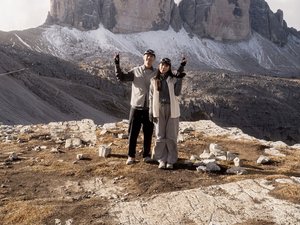
In the north-east of Italy, the Dolomites, a mountain range nestled in the southeastern Prealps, are facing a surge in tourism driven by their Instagrammable allure. Local authorities are increasingly concerned about the implications of this influx.
Invasion of Influencers
The Dolomites have become a hotspot not just for nature lovers but, more significantly, for influencers. According to reports from Blick, visitor numbers have surged compared to previous years, with local officials implementing measures to manage the crowd effectively. Nicola Bombassei, a councilor in Auronzo di Cadore (Belluno province), lamented, “We are recording a record number of visitors, despite limiting access for the second year in a row and encouraging online reservations to avoid overcrowding.”
A Viral Concern
A viral video showcasing throngs of people queuing for shuttles at the iconic Trois Crimes site has raised alarms among local governance. The phenomenon underscores a critical issue: not just the sheer number of visitors but their motivations. Many are there solely for the perfect photo opportunity, underscoring the urgent need for strategic crowd management. Bombassei emphasized, “We are fully booked for an indefinite period,” adding that the launch of an online reservation system was a necessary step to stave off potential chaos.
Disrespect and Disruption
Alongside concerns about overcrowding, the behavior of some tourists has also come under scrutiny. Residents have voiced complaints about vacationers leaving trash behind and treating the natural wonder as if it were a mere amusement park. Such disrespect has led some locals to retreat from their own backyard during peak periods, highlighting the friction between tourism and daily life.
Comparative Context of Overtourism in Italy
Italy is no stranger to the challenges of overtourism. Similar strategies have been implemented in other regions to manage overwhelming visitor numbers. For instance, Villasimius in Sardinia has taken steps to mitigate crowding by prohibiting parasols on the beach of Punta Molentis and introducing entry fees. These actions reflect a broader trend in travel hotspots struggling to balance tourism’s economic benefits with the preservation of local culture and the integrity of natural spaces.
Conclusion: A Call for Sustainable Tourism
As the Dolomites face unprecedented tourist traffic, local authorities are advocating for more sustainable tourism practices. Balancing the economic benefits of tourism with the need to protect the environment and local culture is crucial. Social media has revolutionized how we explore the world, but it also brings challenges that require immediate attention. Without proactive measures, the beauty of the Dolomites may be irreparably tarnished by the very influx that makes them popular.