
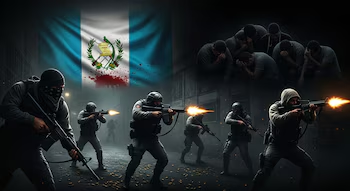
The Escalating Gang War in Guatemala: Analyzing the Territory Battles
Understanding the Conflict
The conflict brewing in Guatemala, characterized by brutal violence, is attributed to a gang war that has escalated dramatically since 2024. At its core, this battle is rooted in territorial disputes among rival criminal organizations, particularly between the notorious Mara Salvatrucha (MS-13) and Barrio 18. This chaos intensified following the breakdown of an alliance between MS-13 and a drug trafficking group known as Los Caradura.
Recent reports illustrate the grim outcomes of this rift, with violent weekends resulting in numerous fatalities and injuries. For instance, a recent attack took the lives of at least 11 individuals, with unofficial sources putting the toll as high as 24. Among the casualties was content creator María Eugenia Reyes Morales, also known as “MyLove,” who died in a massacre that shocked local communities.
The Role of Los Caradura
Formed in the early 2000s, Los Caradura initially gained power through strategic alliances and leveraging corruption within the Guatemalan government. The organization solidified its grip on the drug trade in El Gallito neighborhood, subsequently expanding into upscale districts like Zona Viva. However, after 2024, tension reached new heights as MS-13 began to encroach upon Los Caradura’s territory, which provoked a fierce retaliatory response from Barrio 18, aiming to reclaim lost ground.
Aldo Dupié Ochoa, also known as “El Lobo,” leads Barrio 18 and plays a crucial role in the ongoing gang warfare, often coordinating violence directed at MS-13 and Los Caradura. According to Juan Francisco Solórzano Foppa, a prominent prosecutor, the struggle is acutely felt in areas that once thrived under the protection of these gangs.
The Consequences of Violence
The violence resulting from these turf battles is alarming. Security analysts report that a staggering 95% of armed assaults are directly attributable to gang rivalries. Attacks often stem from personal vendettas, drug disputes, and efforts to reclaim territory lost to rival factions. The recurring cycles of retaliation have plunged many Guatemalan neighborhoods into fear and despair, marking an increasingly perilous environment for citizens.
Escalating Tensions and Future Prospects
Prominent figures in Guatemalan security suggest that the looming electoral politics may further exacerbate tensions. As campaigns ignite, there are fears that these gangs may seek to destabilize the government to influence upcoming elections. The potential for further violence is troubling, as observed in the rise in gang-related killings and body discoveries across the nation, demonstrating a robust inclination toward retaliatory violence.
Authorities stress the need for a more severe measure against gangs, including reinforcing military presence on streets and ensuring that law enforcement agencies work effectively with the justice system. Presently, weak legal structures often enable violent gang members to return to the streets quickly after arrest.
Conclusion
Guatemala finds itself embroiled in a relentless struggle among gangs like MS-13, Barrio 18, and Los Caradura. As these factions vie for control over territory and resources, the resulting violence poses a critical threat to societal stability. Without addressing the underlying issues of corruption, the power imbalance within the police forces, and the systemic flaws in the justice system, the cycle of violence is likely to continue unabated, further jeopardizing the safety and future of the Guatemalan populace.