
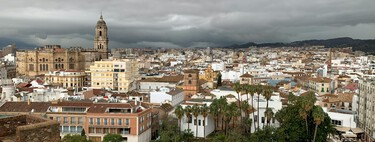
The Colorful Facade of Damgan: A Community in Crisis
In Damgan, a small coastal town in Brittany, France, colorful shutters painted in red, blue, and green stand out against traditionally white facades. This aesthetic change, endorsed by Mayor Jean Marie-Labesse, is more than just a cosmetic improvement; it symbolizes the town’s struggle against a deeper problem—many of its homes sit empty for much of the year. Damgan, largely a holiday town, sees its windows shut tight, reflecting a community in a near year-round comatose state due to an overwhelming number of second homes.
The Influx of Second Homes
With a staggering 74% of homes classified as second residences, Damgan is emblematic of a widespread phenomenon affecting tourist cities globally. According to recent reports from Le Parisien, this percentage nearly hit 80% before local government intervention. For context, out of 4,000 homes in Damgan, approximately 3,000 are seldom used, leading to a dramatic fluctuation in population: from around 1,900 residents in the winter to 30,000 during the peak summer months.
The Ripple Effects on Community Services
This disparity is not merely an aesthetic concern; it has palpable effects on essential community services. The Mayor highlighted that in 2014, when he took office, only one baby was born in the town that year, jeopardizing the existence of local schools. The exodus of families seeking stable housing places Damgan’s educational services in jeopardy, a situation that may well mirror trends in other affected regions.
The Real Estate Dilemma
The impact of a high concentration of vacation homes extends into the local real estate market. Local tradespeople, like a carpenter described by Le Parisien, find it increasingly challenging to secure affordable housing. Despite having a good income, he was forced to look 20 kilometers away for accommodation, underscoring a disturbing trend: Damgan risks becoming a sanctuary for retirees rather than a vibrant community for all ages.
Wider Implications Beyond Damgan
Damgan’s plight is far from isolated. Across France, there were approximately 3.2 million second homes as of 2021, making up nearly 10% of the overall housing stock. Regions like the Mediterranean coast see vacation properties accounting for more than 14% of their housing. The issue becomes even graver in nearby towns, like Carnac and La Trinité, where the proportion of second homes hovers around 72%.
The Global Perspective
Similar housing crises are emerging in cities worldwide. London, for instance, grapples with about 30,000 empty homes, particularly in affluent neighborhoods. In the U.S., areas like Marinette-Iron Mountain report that over 25% of residences serve only seasonal purposes. Spain faces its own challenges, especially in tourist hotspots like Ibiza, where a significant number of properties remain vacant.
Conclusion: The Blinds Drawn on Community Life
The colorful shutters of Damgan may offer a superficial charm, but they mask a pressing issue: a community caught in the throes of vacant homes and diminishing local life. They are cities with the blinds drawn—beautiful in appearance yet struggling to create a livable environment for their permanent residents.
A previous version of this article was published in July 2025.