
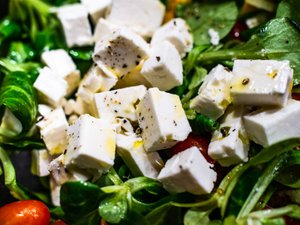
The salty cheese from Greece, feta, is a cherished ingredient in summer salads, fried dishes, and as a spread on bread. However, this staple, beloved particularly by the French, is facing a price increase this season. The combination of rising production costs and a health crisis affecting livestock has pushed feta towards a higher price point, making it a summer luxury for many.
### The Production of Feta: A Regulated Affair
Feta cheese is not just any cheese; its production is strictly regulated. According to the European Union’s Protected Designation of Origin (PDO) regulations, authentic feta must be made from at least 70% sheep’s milk and a maximum of 30% goat’s milk. This controlled recipe is what gives feta its distinct flavor and texture. The cheese is particularly famous for its creamy yet crumbly consistency, making it a versatile ingredient in Mediterranean cuisine.
### The Smallpox Epidemic Affecting Livestock
Recently, a serious health crisis has emerged in Greece affecting the goats and sheep essential for feta production. A smallpox epidemic among these animals has not only weakened the livestock population but also jeopardized the export of feta. As reported by TF1, a single infected animal can lead to the culling of an entire herd, drastically reducing the number of goats and sheep available for milk production.
#### The Impact on Milk Supply
With the Greek government enforcing strict measures to contain the virus, farmers are now required to keep their animals confined indoors. Previously allowed to graze freely, these goats are now dependent on costly cereals rather than fresh grass, leading to reduced milk production. Reports indicate that some farms have experienced a drop from 20 tonnes of milk per month to just 10 tonnes. This downward trend in milk supply not only impacts the cheese’s availability but also drives up its production costs.
### Rising Prices That Affect Consumers
As production costs soar, consumers are feeling the pinch. In restaurants throughout Greece, the price of feta has seen significant increases. One restaurateur noted that the price per kilogram for feta has jumped from €9.50 to €11 in just a year. This price rise is not just limited to gourmet establishments but will soon extend to supermarket shelves, making what was once an affordable and essential summer ingredient suddenly more costly for the average consumer.
### Conclusion: A Seasonal Staple at a Premium Price
As feta cheese faces challenges from both a health crisis and escalating production costs, consumers should prepare for a summer where this beloved cheese is likely to be more expensive than ever. The combination of reduced livestock and increased feeding costs will undoubtedly reflect in the prices we see at restaurants and stores across Europe. For many, feta will remain an essential part of summer salads, but its rising costs might just prompt a reconsideration of ingredient choices in the warmer months ahead.